درجة الافتتاح أ رافعة يعد جسم الخطاف معلمة مهمة تؤثر بشكل مباشر على سلامة وموثوقية عمليات الرفع. يعد القياس الدقيق ومراقبة درجة الفتح هذه أمرًا ضروريًا لضمان بقاء الخطاف في حالة عمل مناسبة ويمكنه التعامل مع الأحمال بأمان دون التعرض لخطر الفشل.

إن طريقة قياس درجة فتح جسم الخطاف هي عملية منهجية ودقيقة. أولاً, يتم إجراء اختبار الحمل وفقًا للحمل المقدر الموضح على لوحة اسم الخطاف. هذه خطوة أساسية لأنها تحاكي ظروف العمل الفعلية التي سيتعرض لها الخطاف أثناء العمليات العادية. يتم تحديد الحمل المقدر من قبل الشركة المصنعة بناءً على عوامل مختلفة مثل قوة المادة, مواصفات التصميم, والتطبيقات المقصودة للخطاف.
أثناء اختبار الحمل, يتم زيادة الحمل تدريجيا إلى 1.25 أضعاف الحمل المقنن بطريقة تزايدية. تسمح هذه الزيادة الإضافية بإجراء تقييم أكثر دقة وتحكمًا لأداء الخطاف تحت الضغط. كما أنه يوفر هامشًا من الأمان لضمان قدرة الخطاف على التعامل مع الأحمال الزائدة غير المتوقعة التي قد تحدث في مواقف العالم الحقيقي. يجب ألا يقل وقت الرفع لهذا الحمل المتزايد عن 10 دقائق. تعد هذه الفترة الزمنية الممتدة ضرورية للسماح للخطاف بالاستقرار تحت الحمل ولكي تصبح أي تشوهات أو تغييرات محتملة في درجة الفتح واضحة.
بعد اكتمال اختبار التحميل وتفريغ الخطاف, يتم استخدام الفرجار لقياس درجة فتح الخطاف. الفرجار هو أداة قياس دقيقة يمكنها تحديد المسافة بين نقطتين بدقة. في هذه الحالة, يتم استخدامه لقياس المسافة بين جانبي فتحة الخطاف. ثم تتم مقارنة هذه القيمة المقاسة بحجم الفتح الأصلي. يتم تحديد حجم الفتح الأصلي عادةً عندما يكون الخطاف جديدًا أو تم فحصه ووضع علامة عليه مؤخرًا.
عند استخدام خطاف جديد, يمكن استخدام المثقاب لعمل علامة واحدة على كل جانب من فتحة جسم الخطاف. تعتبر عملية وضع العلامات مهمة لأنها توفر نقطة مرجعية للقياسات المستقبلية. يتم قياس المسافة بين هذه العلامات وتسجيلها كحجم الفتح الأصلي. This measurement should be taken with care and accuracy to ensure that the baseline value is reliable.
As the hook is used over time, it may experience wear, deformation, or other types of damage. Monitoring the change in the opening degree is crucial to determine when the hook needs to be replaced. If the deformation of the opening degree of the hook body is increased by 15% compared to the original opening degree, it should be replaced. هذا 15% threshold is based on industry standards and safety considerations. Exceeding this threshold indicates that the hook may no longer be able to safely handle loads and poses a significant risk of failure.
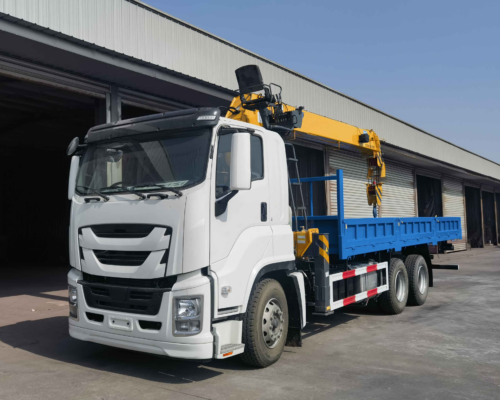
على سبيل المثال, imagine a large construction site where a رافعة is used to lift heavy loads. ال رافعة hook is subjected to repeated use and stress, and its opening degree needs to be regularly monitored. If the hook is not properly inspected and maintained, it could potentially fail during a lifting operation, leading to serious accidents and damage. By following the proper measurement method and replacement criteria, the construction crew can ensure the safety of the workers and the integrity of the construction project.
In addition to the measurement process itself, it is also important to conduct regular visual inspections of the hook. Look for signs of cracks, wear, corrosion, or other types of damage. Any visible defects should be investigated further and may require more detailed inspections or even replacement of the hook.
بالإضافة إلى, proper storage and handling of the hook are also essential. When not in use, the hook should be stored in a dry and protected area to prevent corrosion and damage. During handling, care should be taken to avoid dropping or banging the hook, as this can cause internal damage that may not be immediately visible but can affect its performance and safety.
ختاماً, the measurement method for the opening degree of a رافعة hook body is a critical aspect of ensuring the safety and reliability of lifting operations. By following a systematic and accurate measurement process, along with proper replacement criteria and maintenance practices, رافعة operators and maintenance personnel can ensure that the hooks are in good working condition and can safely handle the loads they are designed for. This not only protects the lives and property of those involved in the lifting operations but also contributes to the overall efficiency and success of construction and industrial projects.