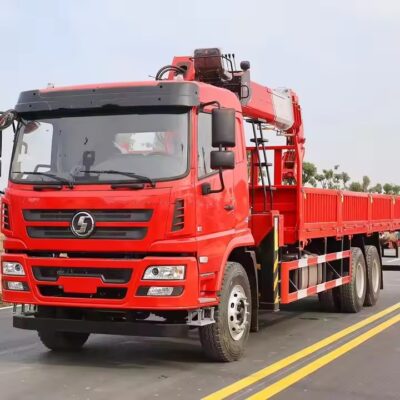
Fuel tanks are one of the key components ofkaʻas and the source of power for them. ʻO ka maʻamau, there are two common materials used for fuel tanks: one is plastic and the other is metal. The metal materials can be further classified into three types: iron, aluminum alloy, and stainless steel. I kēia manawa, all these types of fuel tanks are available for special-purposekaʻas. Let’s now gain a detailed understanding of these various types of fuel tanks.
Plastic fuel tanks: These fuel tanks are frequently utilized on light truck typekaʻas. The notable advantage of this type of fuel tank is its relatively light weight, which can reduce the emptykaʻa‘s weight. Eia hou, the plastic material exhibits strong corrosion resistance. Eia naʻe, there is a drawback – it cannot withstand prolonged exposure to sunlight. After being exposed to the sun, the fuel tank is prone to weathering and becoming brittle. Nevertheless, the fuel tank is typically installed beneath the chassis and thus has a reduced likelihood of direct sunlight exposure.
Imagine a plastic fuel tank on a light delivery truck constantly exposed to intense sunlight over an extended period. This could potentially lead to cracks and leaks, compromising the fuel tank’s integrity and safety.
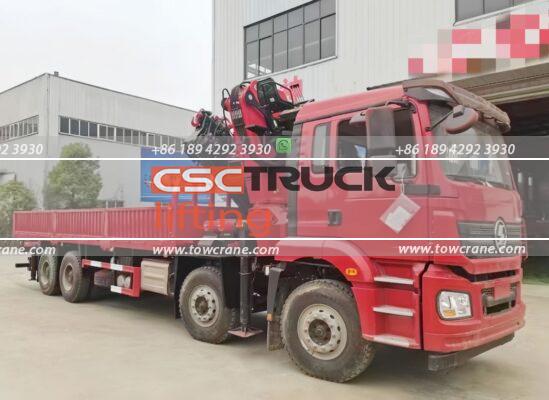
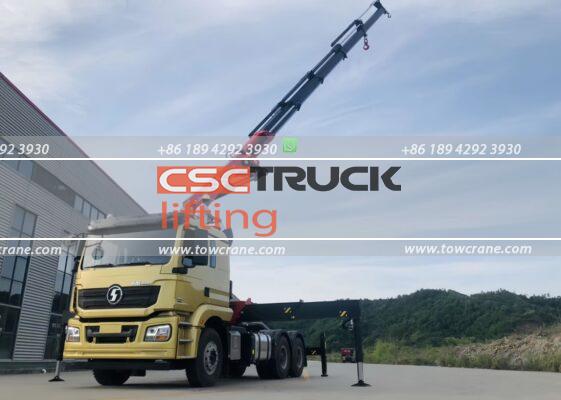
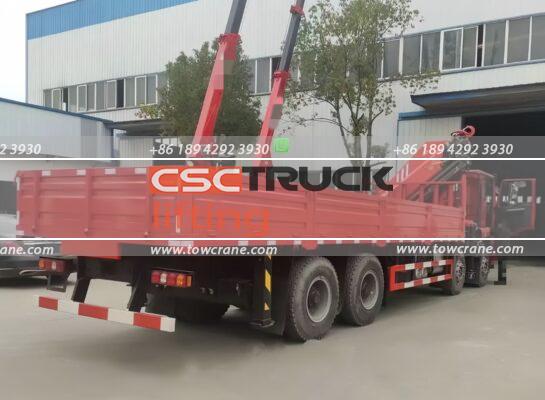
Iron fuel tanks: This type of fuel tank is the most prevalent and can be found on small, waena, and largekaʻas, such as mixer trucks, wrecker trucks, and truck-mounted cranes. Iron fuel tanks have the advantage of being less prone to deformation and are cost-effective. Eia naʻe, they are heavier than plastic tanks and have a tendency to rust. Once rust occurs, it can easily contaminate the fuel, thereby causing damage to the engine.
ʻo kahi laʻana, in a harsh operating environment with high humidity and salt content, an iron fuel tank might rust more rapidly, increasing the risk of fuel contamination and engine malfunction.
Aluminum alloy fuel tanks: The fuel tanks made of this material offer several benefits, including light weight, strong corrosion resistance, and an aesthetically pleasing appearance. They have become the preferred choice for the majority ofkaʻas nowadays. The price is relatively higher than that of iron fuel tanks, but the service life is significantly longer. Particularly for some medium and largekaʻas, this type of material is commonly adopted for the fuel tanks.
Suppose a fleet of long-haul trucks equipped with aluminum alloy fuel tanks. The lightweight nature can contribute to better fuel efficiency, and the durability ensures fewer replacements and maintenance costs over time.
Stainless steel fuel tanks: The fuel tanks of this material are even more advanced. As is widely known, stainless steel possesses strong corrosion resistance, is not prone to rust, and is not easily deformed. Eia naʻe, the price is also the highest. I kēia manawa, relatively fewkaʻas in the market opt for stainless steel fuel tanks.
The abovementioned are the several materials available for the fuel tanks of special-purposekaʻas. When making a choice, it is necessary to consider the actual situation. ʻO ka maʻamau, for small and light trucks, it is recommended to select plastic material. Of course, if the economic conditions permit, choosing aluminum alloy is also an excellent option. For medium and heavy trucks, aluminum alloy fuel tanks are a preferable choice. Stainless steel fuel tanks are typically employed on relatively specializedkaʻamodels. Among these several types of fuel tank materials, the prices in ascending order are: plastic, iron, aluminum alloy, and stainless steel. When purchasingkaʻas, it is crucial to pay attention to the configuration and price.
I kēia manawa, let’s explore some additional factors and considerations related to fuel tank selection for special-purpose vehicles:
The capacity of the fuel tank is another important aspect. Differentkaʻamodels and usage scenarios require different fuel tank capacities. For long-distance transportation orkaʻas with high fuel consumption, a larger capacity fuel tank can reduce the frequency of refueling and increase operational efficiency. Eia naʻe, a larger tank also adds weight and takes up more space.
The installation location and shape of the fuel tank can also impact thekaʻa‘s performance and safety. Somekaʻas might have fuel tanks located within the frame rails for better protection, while others might have them exposed for easier access but potentially at a higher risk of damage.
Environmental factors should also be taken into account. In extremely cold climates, certain materials might be more susceptible to cracking or failure due to temperature extremes. Special coatings or insulation might be necessary to ensure proper fuel tank performance.
The compatibility of the fuel tank with thekaʻa‘s fuel delivery system is crucial. Ensuring proper sealing, fuel flow, and pressure regulation are essential for optimal engine performance and fuel economy.
Kahi mea hou aʻe, regulations and standards regarding fuel tank materials and construction can vary by region and industry. It’s important to ensure that the selected fuel tank complies with all applicable laws and safety requirements.
ʻO ka hope loa, when considering the long-term cost of ownership, not only the initial purchase price of the fuel tank but also factors such as maintenance costs, fuel efficiency improvements, and the potential resale value of thekaʻashould be factored in.
I ka hopena, choosing the right fuel tank for a special-purposekaʻainvolves a careful evaluation of multiple factors including thekaʻa‘s type, hoʻohana, operating environment, and budget. Making an informed decision can contribute to thekaʻa‘s reliability, performance, and overall cost-effectiveness.