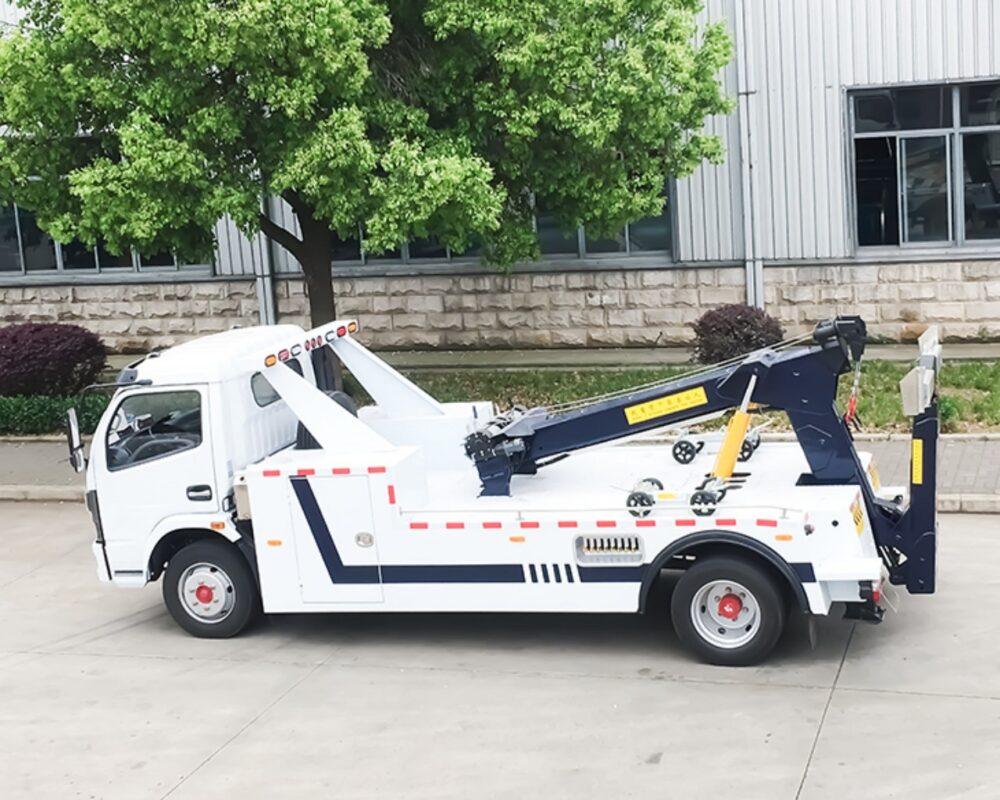
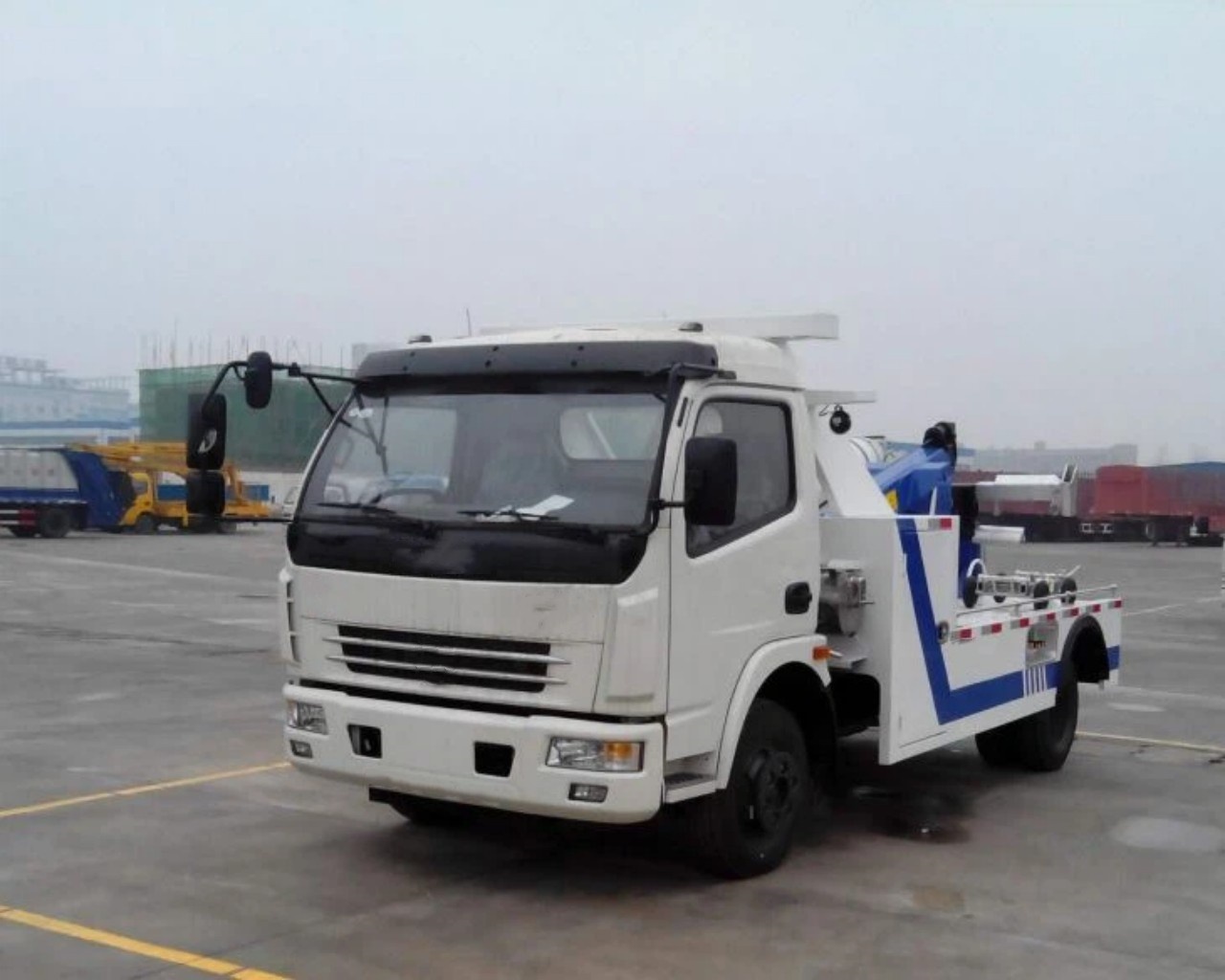
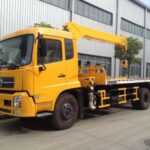
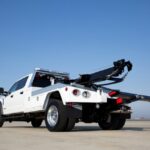
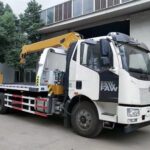
The world of towing has evolved significantly over the years, and one of the most notable advancements is the introduction ofkaʻa huki hoʻohuis. These vehicles represent a leap forward in efficiency, combining cutting-edge technology withtraditional towing capabilities. Ma keia 'atikala, we will explore the various facets ofkaʻa huki hoʻohuis, delving into their features, pono, and the impact they have on the towing industry.
The Evolution of Towing
Ka huki ʻanahas always been an essential service, ranging from assisting stranded motorists to recovering vehicles involved in accidents. Ma ke kuʻuna, kaʻa hukis were equipped with basic tools and mechanisms to lift and transport vehicles. Eia naʻe, as technology progressed, so did the need for more sophisticated solutions.
Kaʻa Kaʻa Hoʻohuis: A Technological Marvel
Integrated tow trucks are a manifestation of the marriage between technology and towing expertise. ʻAʻole like kaʻa huki maʻamaus, these vehicles come equipped with advanced systems that enhance their efficiency and versatility. One of the key features ofkaʻa huki hoʻohuis is their ability to integrate seamlessly with various digital platforms, allowing for better coordination and communication.
Efficiency Through Digital Integration
ʻO ka hoʻohui ʻana o kaʻa hukis into digital platforms has revolutionized the way towing services operate. Dispatch systems can now efficiently allocate the nearest available kaʻa hukito a specific location, minimizing response times. This not only benefits stranded motorists but also contributes toimproved traffic management and safetyon the roads.
Eia kekahi, kaʻa huki hoʻohuis often come equipped withGPS tracking systems that provide real-time location data. This feature is invaluable for towing companies, enabling them to monitor their fleet’s movements, optimize routes, and provide accurate arrival estimates to customers. The result is a more streamlined and efficient towing process.
Nā hiʻohiʻona palekana i hoʻonui ʻia
Safety is a paramount concern in thetowing industry, both for the towing professionals and the vehicles they handle. Integrated tow trucks address this concern by incorporating advanced safety features. ʻo kahi laʻana, some models are equipped with collision avoidance systems, automatic braking, and lane departure warnings, reducing the risk of accidents during towing operations.
Eia hou, kaʻa huki hoʻohuis often feature enhanced lighting systems, making them more visible on the road, especially during nighttime or adverse weather conditions. This not only protects the towing professionals but also contributes to overall road safety.
Versatility in Towing Operations
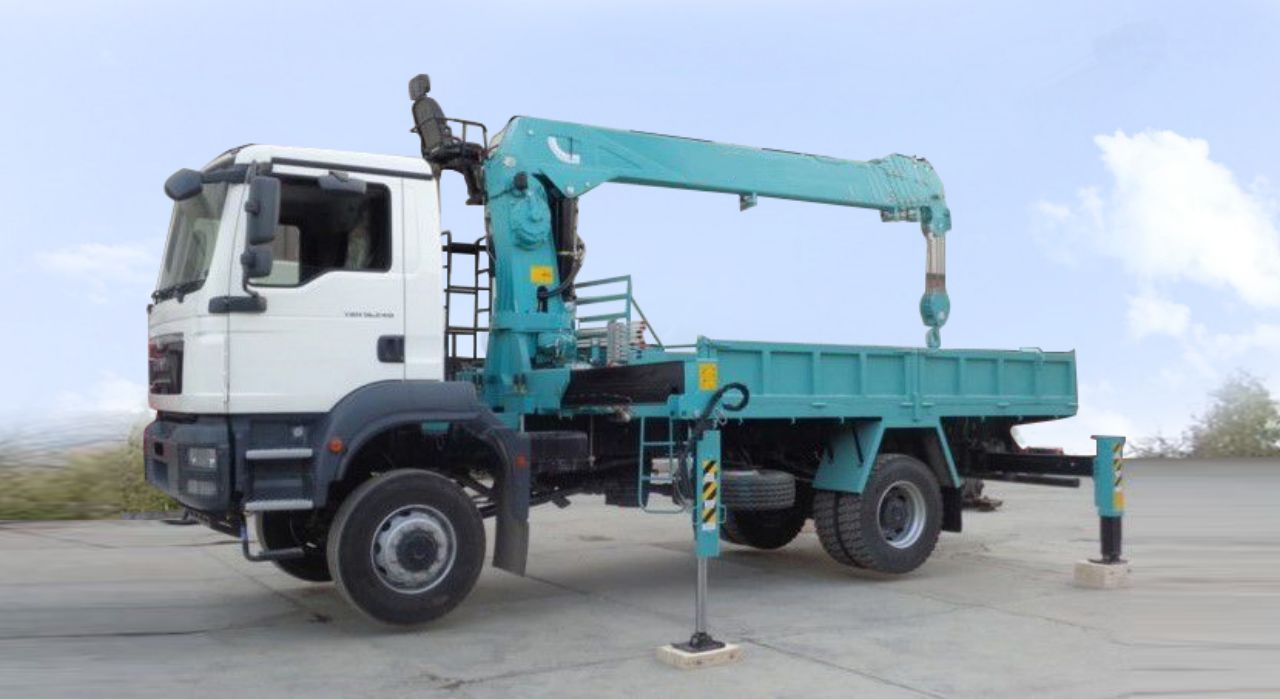
Integrated tow trucks are designed to handle a wide range of towing scenarios. Whether it’s a small sedan, a heavy-duty truck, or even a specialized vehicle, these trucks are equipped with the necessary tools and mechanisms to secure and transport various types of vehicles. This versatility is a significant advantage for towing companies, as it allows them to diversify their services and cater to a broader range of customer needs.
Noonoo Kaiapuni
I nā makahiki i hala iho nei, there has been a growing emphasis on environmental sustainability in various industries, and towing is no exception. Integrated tow trucks often come with more fuel-efficient engines and are designed with environmental impact in mind. Some models even incorporate hybrid or electric technology, reducing emissions and contributing to a greenertowing industry.
Challenges and Considerations
Whilekaʻa huki hoʻohuis offer numerous benefits, some challenges and considerations come with their adoption. The initial cost of these advanced vehicles can be substantial, posing a barrier for smaller towing companies. Eia hou, the integration of technology requires ongoing maintenance and updates, which can be a logistical and financial challenge for some operators.
Eia kekahi, as with any technological advancement, there may be a learning curve for towing professionals who are accustomed totraditional tow trucks. Training and education programs are essential to ensure that operators can harness the full potential of integrated tow trucks and maximize their efficiency.
Ka hopena
Integrated tow trucks represent a significant step forward in thetowing industry, offering a blend oftechnological innovation atowing expertise. From digital integration and enhanced safety features to versatility in towing operations, these vehicles are reshaping the way towing services are delivered. While challenges exist, the long-term benefits in terms of efficiency, palekana, and environmental sustainability make kaʻa huki hoʻohuis a promising evolution in the world of towing. Ke hoʻomau nei ka ʻenehana i ka holomua, we can expect further refinements and innovations, ultimately shaping the future of thetowing industry.