Holo i ka ʻike
  • E kūʻai aku i nā kaʻa kaʻa ʻo Tow Crane me ka lawelawe uku ma towcrane.com i kēia manawa!
Kaʻa KaʻaKaʻa Kaʻa
  • Kaʻa Kaʻa
    • Kaʻa Kaʻa Hoʻohui
    • Repo Kaa Kaa
    • Mea lawe hoʻihoʻi
    • Kaʻa Rotator
    • Kaʻa Kaʻa me Crane
  • Hoʻopaʻa Crane
    • Knuckle Boom Crane
    • ʻaoʻao Lifter Crane
    • Truck Telescopic Crane
  • Nānā Alahaka
    • Alahaka Inspection Platform
    • Unite Nana Alahaka
  • Kaʻa Bākeke
    • Kaʻa Lift Bākeke Articulated
    • Ladder Lift Truck
    • Kaʻa Bākeke Insulated
    • Telescopic Aerial Lift Truck
  • E pili ana iā mākou
  • Kāhea iā mā˚ou
  • Blog
Kānana
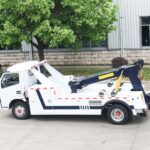
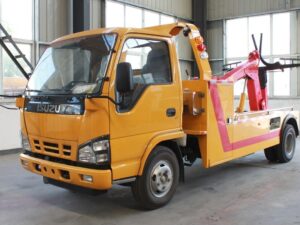
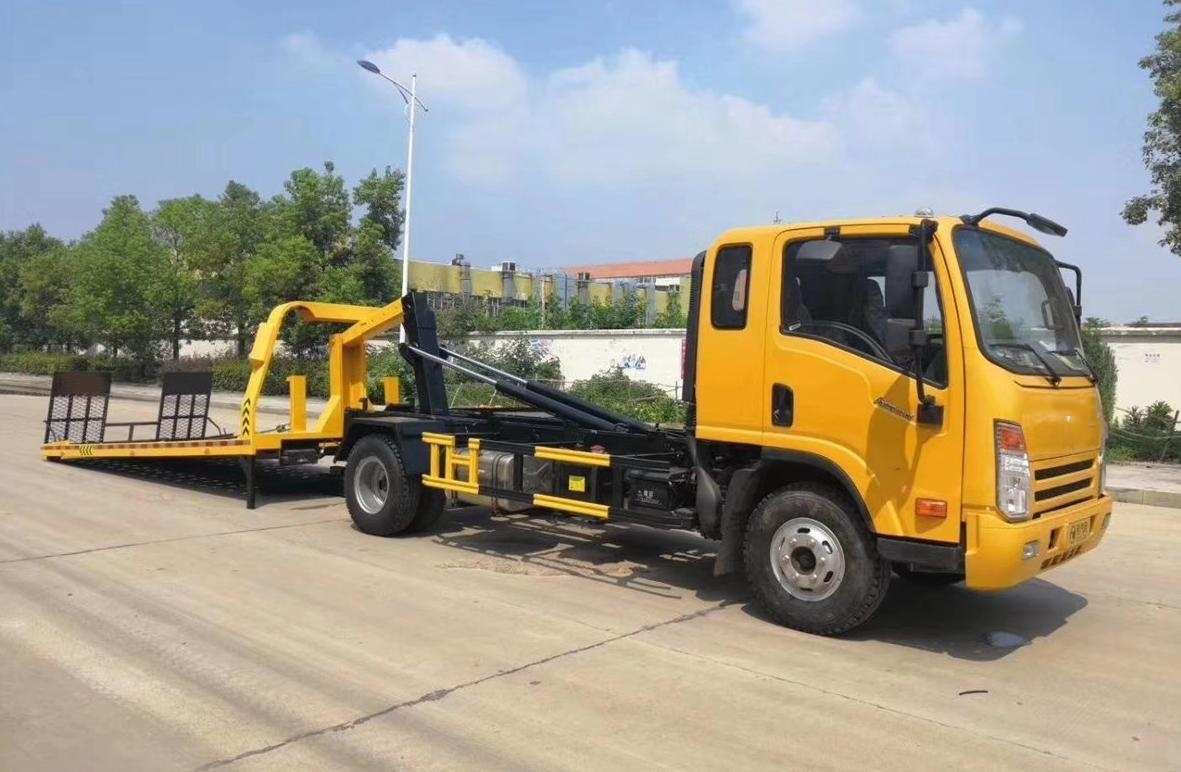
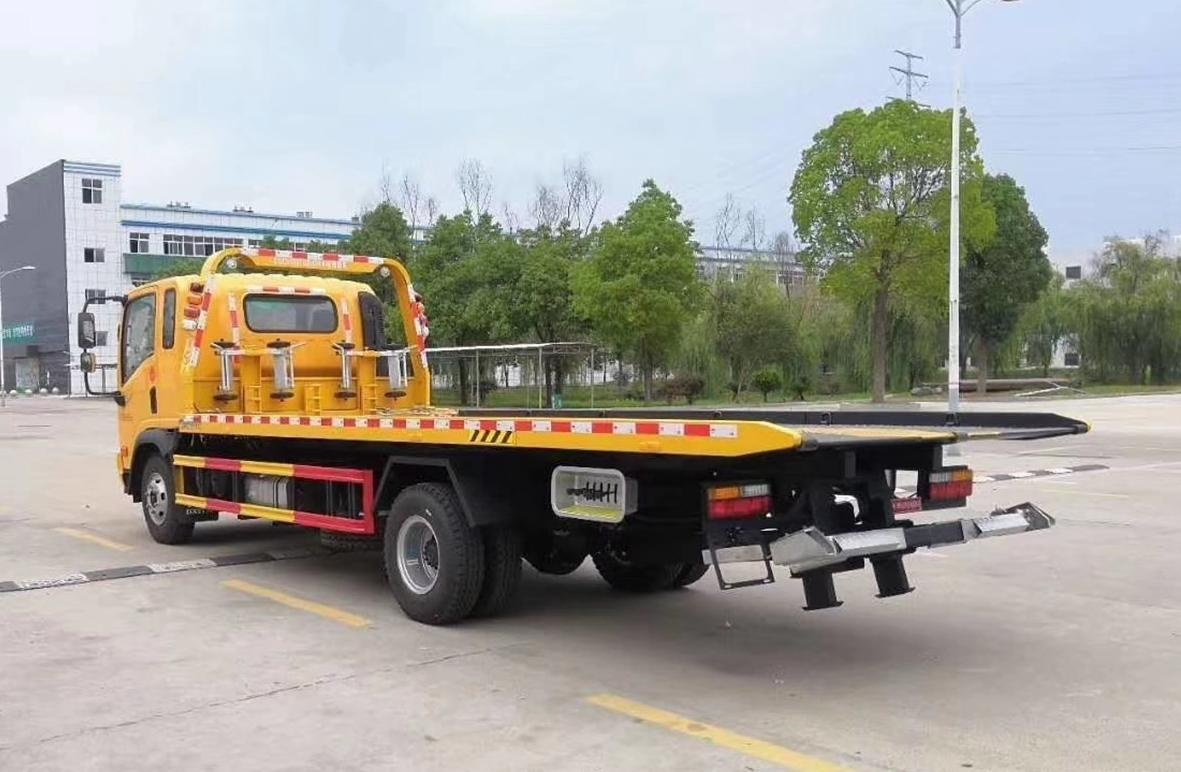
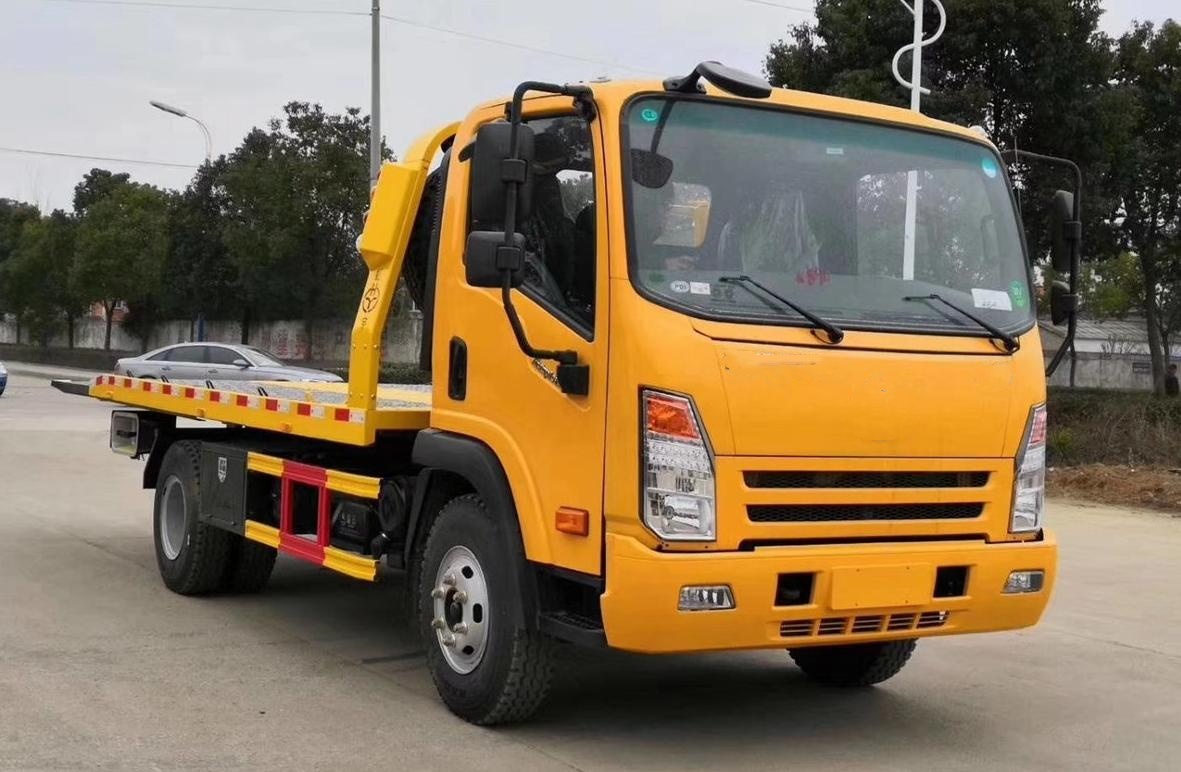
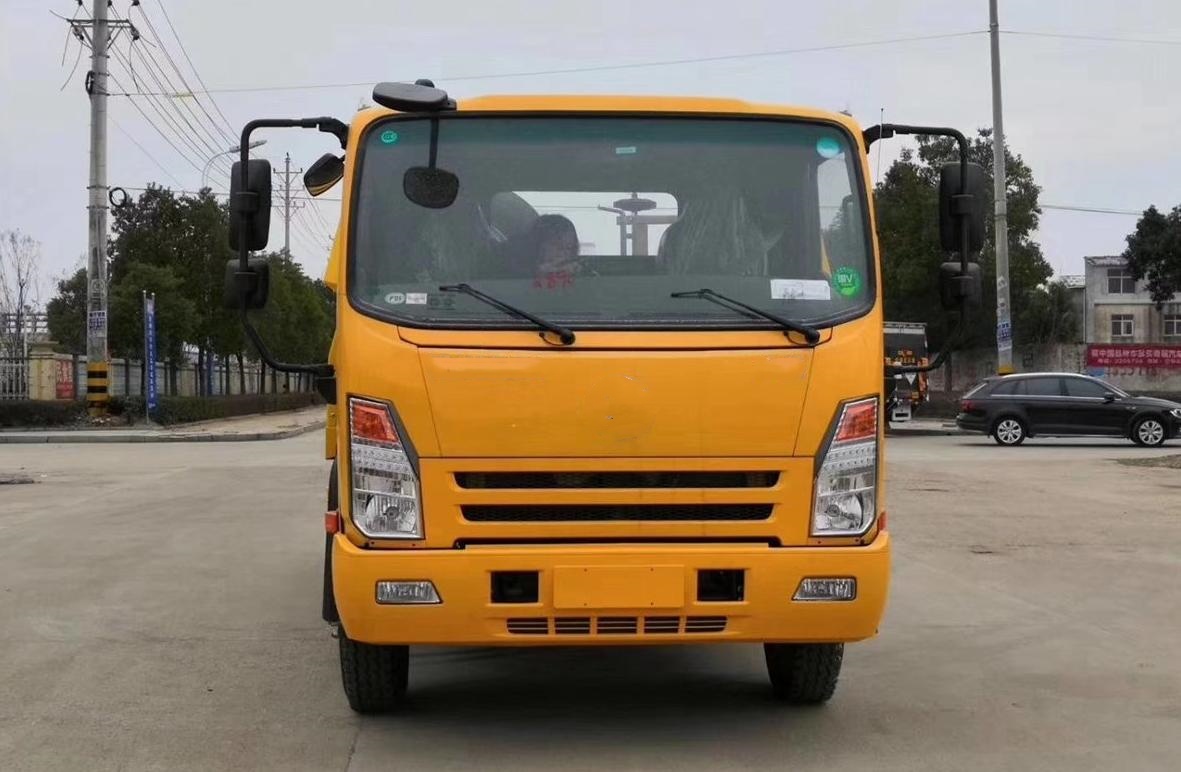
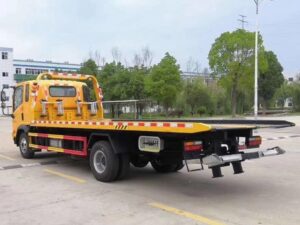
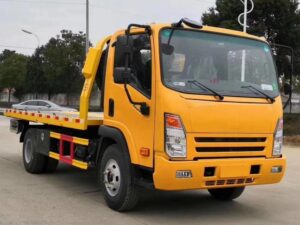
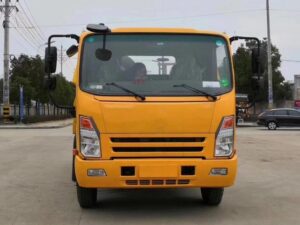
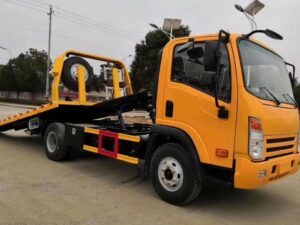
Aopuli 156Horsepower 4X2 Wrecker
Home / Kaʻa Kaʻa Hoʻohui

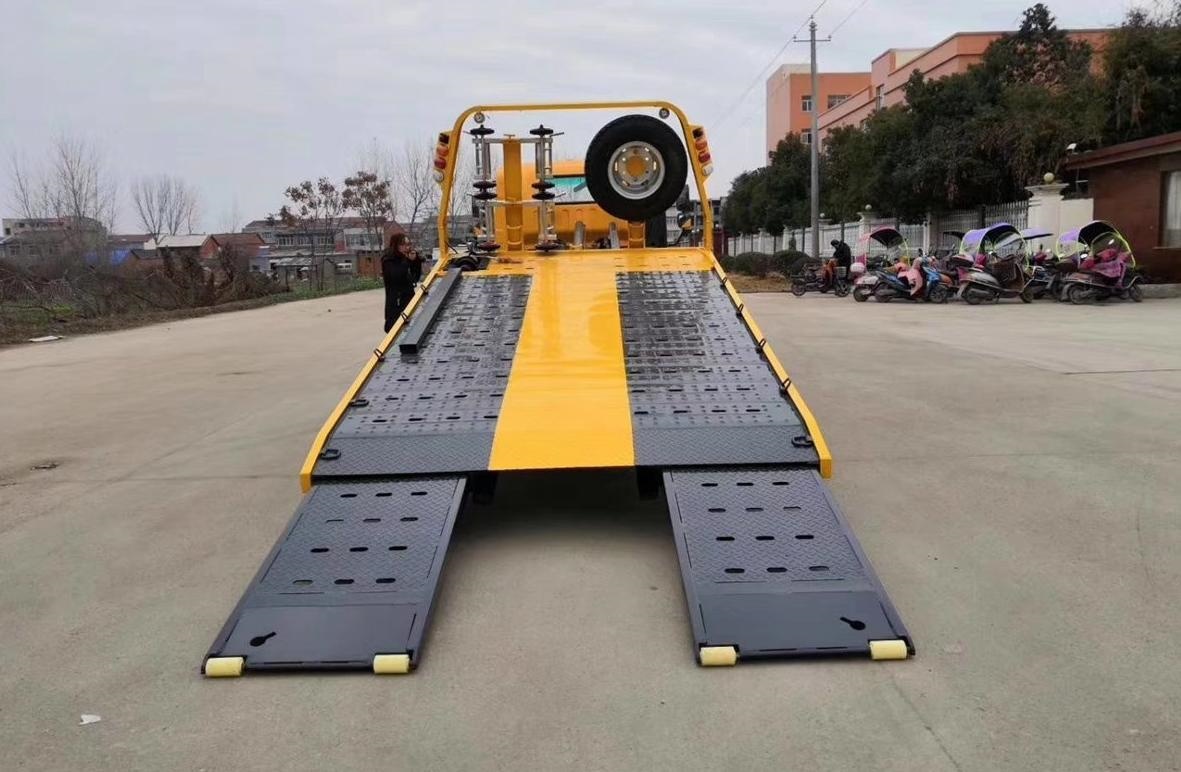
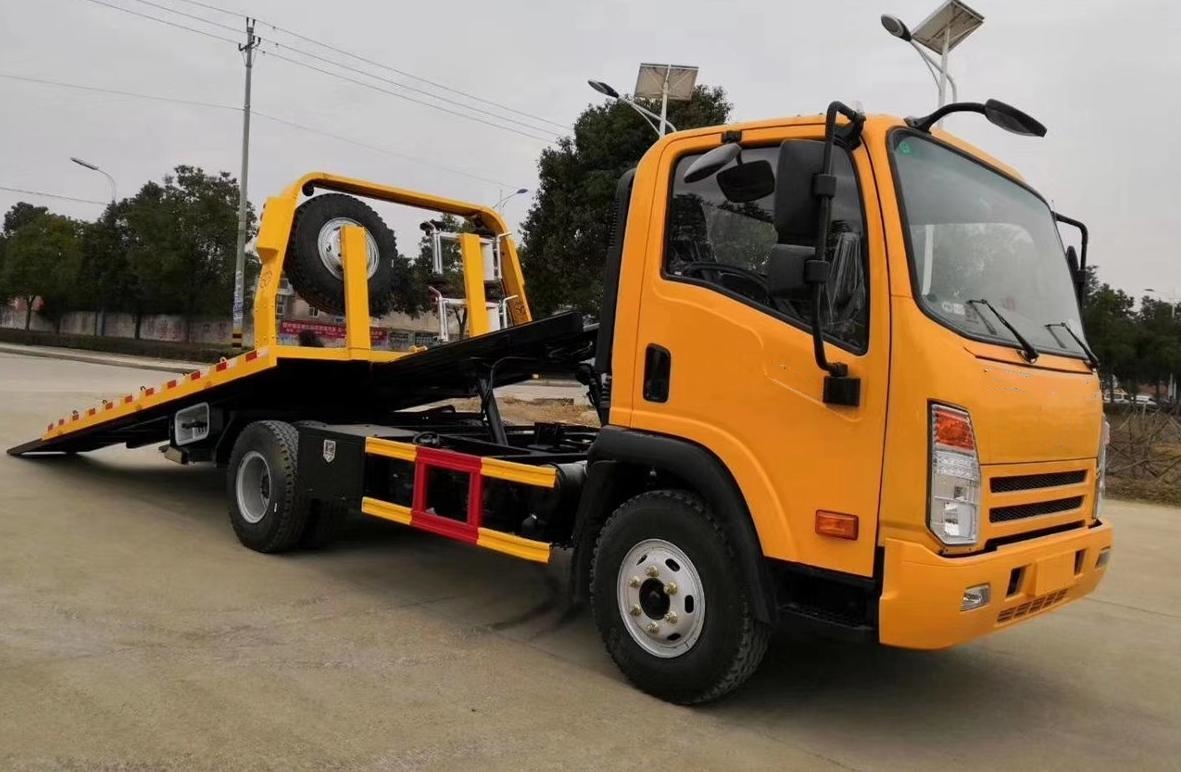
Aopuli 156Horsepower 4X2 Wrecker

  • Gongshi 120Horsepower 4X2 Wrecker
  • Howo-7 380Horsepower 8X4 Wrecker


ʻO ke kalaiwa 4X2
Huila huila 4400mm
Vehicle body size 7.8×2.3×2.75 meters
Huina nui 9.995 mau tona
Vehicle mass 6.05 mau tona
Maximum speed 90km/h
Front wheel track/rear wheel track Front: 1740mm; Rear:1640mm
Front overhang/rear overhang 1.22/1.43 mika
Ka Ninau kaa
Māhele: Kaʻa Kaʻa Hoʻohui Tag: Wrecker
  • Gongshi 120Horsepower 4X2 Wrecker
  • Howo-7 380Horsepower 8X4 Wrecker
Huli
  • Kaʻa Lift Bākeke Articulated
  • Nānā Alahaka
  • Alahaka Inspection Platform
  • Unite Nana Alahaka
  • Kaʻa Bākeke
  • Kaʻa Bākeke Insulated
  • Kaʻa Kaʻa Hoʻohui
  • Knuckle Boom Crane
  • Ladder Lift Truck
  • Hoʻopaʻa Crane
  • Repo Kaa Kaa
  • Mea lawe hoʻihoʻi
  • Kaʻa Rotator
  • ʻaoʻao Lifter Crane
  • Telescopic Aerial Lift Truck
  • Kaʻa Kaʻa
  • Kaʻa Kaʻa me Crane
  • Truck Telescopic Crane
Recently Viewed
  • 35Ton Integrated Wrecker Unit me Aluminum Toolbox 35Ton Integrated Wrecker Unit me Aluminum Toolbox
  • 12 Nā huila 18 Ton Truck Telescopic Crane 12 Nā huila 18 Ton Truck Telescopic Crane
  • 12 Nā huila 16 Ton Truck Telescopic Crane (2) 12 Nā huila 16 Ton Truck Telescopic Crane
  • wehewehe
  • Hōʻike manaʻo (0)

POKOLE

ʻO ka Aopuli 156-Horsepower 4X2 Wrecker is a reliable and practical vehicle for vehicle recovery operations.
1. Ka mana a me ka neʻe ʻana
  • With 156 ikaika lio, it has sufficient power to handle a variety of towing tasks. This engine power enables the wrecker to pull disabled vehicles with ease, whether they are small cars or medium-sized trucks.
  • The 4X2 drive configuration provides a good balance between traction and fuel efficiency. It allows the wrecker to move smoothly on different road surfaces and navigate through various terrains.
2. Towing Capacity and Equipment
  • It is designed with a certain towing capacity, suitable for handling common breakdowns and accidents. The wrecker likely comes equipped with a winch system for pulling vehicles onto its flatbed or towing them directly.
  • It may also have additional features such as tie-downs and storage compartments for tools and equipment needed for recovery operations.
3. Wahi noi
  • In urban areas, it can quickly respond to accidents and breakdowns, helping to clear the roads and reduce traffic congestion. It can also be used in parking lots and garages to move vehicles that are in the way or have mechanical issues.
  • On highways, it can assist in towing disabled vehicles to safety, ensuring the smooth flow of traffic.
4. Operator-Focused Design
  • The operator’s cab is likely designed for comfort and convenience. It may have ergonomic seating and controls that allow the operator to work for extended periods without excessive fatigue.
  • The controls are probably intuitive and easy to use, enabling the operator to perform towing and recovery operations efficiently.

HI'O

ʻO ka Aopuli 156-Horsepower 4X2 Wrecker is a specialized vehicle with a set of distinct features that make it highly effective for vehicle recovery operations.
1. Engine Power and Drive Configuration
  • Powerful Engine: The 156-horsepower engine provides a reliable source of power for the wrecker. This engine is capable of generating sufficient force to handle a wide range of towing tasks, from light-duty vehicles to medium-sized trucks. It offers smooth acceleration and consistent performance, ensuring that the wrecker can quickly respond to calls and reach the location of a disabled vehicle without delay.
  • 4X2 Drive for Versatility: The 4X2 drive configuration offers several advantages. It provides decent traction on different road surfaces, allowing the wrecker to operate effectively in various environments. This drive setup also makes the vehicle more maneuverable, enabling it to navigate through tight spaces and crowded areas with ease. Eia hou, it offers a relatively simple mechanical design, which can lead to lower maintenance costs and better reliability over time.
2. Towing Capacity and Equipment
  • Adequate Towing Capacity: The Aopuli wrecker is designed with a specific towing capacity that meets the needs of most common vehicle recovery scenarios. It can handle a variety of vehicle sizes and weights, ensuring that it can deal with different types of breakdowns and accidents. The towing mechanism is likely engineered to be sturdy and reliable, capable of withstanding the stress of pulling a disabled vehicle without compromising safety or performance.
  • Winch System for Versatile Recovery: Equipped with a winch system, the wrecker can perform a variety of recovery operations. The winch is typically powerful enough to pull a vehicle onto the flatbed or tow it directly from a difficult location. It may have features such as variable speed control and a long cable length, allowing for greater flexibility in different recovery situations. The winch is also likely designed for durability and ease of use, with controls that are accessible and intuitive for the operator.
  • Additional Equipment for Enhanced Functionality: In addition to the winch, the wrecker may come with other useful equipment. This could include tie-downs to secure the towed vehicle on the flatbed, ensuring a safe and stable transport. There may also be storage compartments for tools and equipment needed for recovery operations, such as jumper cables, tire repair kits, and basic hand tools. These additional features enhance the functionality of the wrecker and make it more self-sufficient on the job.
3. Body and Loading Design
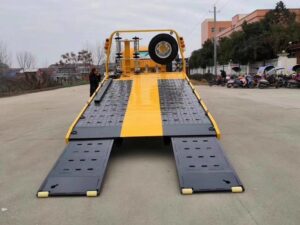
  • Functional Flatbed or Towing Arrangement: The body of the wrecker is designed to facilitate easy loading and towing of disabled vehicles. If it has a flatbed, it is likely made of durable materials that can withstand the weight and stress of loading and transporting vehicles. The flatbed may have features such as ramps for easy vehicle access and tie-down points to secure the load. I kekahi mau hihia, the wrecker may have a towing mechanism that allows for traditional towing operations, with a tow bar or hitch that is compatible with different types of vehicles.
  • Thoughtful Design for Accessibility and Loading: The design of the wrecker takes into account the ease of loading and unloading disabled vehicles. The ramps, if present, are likely designed to be sturdy yet lightweight and easy to deploy. They may be adjustable to accommodate different vehicle heights and angles. The body may also have features such as side rails and non-slip surfaces to ensure the safety of the operator and the towed vehicle during loading and unloading. Eia hou, there may be lighting and signage on the body to enhance visibility during night operations or in low-light conditions.
4. Safety and Control Features
  • Safety in Towing Operations: The Aopuli wrecker is equipped with several safety features to ensure a secure towing operation. There may be load-sensing systems that monitor the weight and balance of the towed vehicle. If the load exceeds safe limits or becomes unbalanced, makaʻala ka mea hoʻohana. The towing connections, such as the tow bar or winch cable, are likely designed with safety in mind, with features like locking mechanisms and high-strength materials to prevent accidental detachment. The vehicle may also have stability control systems and anti-lock brakes to enhance safety during towing and driving.
  • Operator-Controlled Systems for Precision: The controls in the operator’s cab are designed for ease of use and precision. The operator can easily manage the winch, ramps, and other recovery equipment. The controls are likely ergonomically placed and intuitive, reducing the risk of operator error. There may also be safety interlocks and warning systems to prevent accidental activation of certain functions. The cab may be equipped with a rear-view camera or mirrors to provide a clear view of the towed vehicle and surrounding area, enhancing safety during towing operations.
5. Operator-Focused Design
  • Comfortable Cab for Extended Operations: The operator’s cab is designed with the operator’s comfort in mind. It may feature ergonomic seating that provides proper support during long hours of operation. The cab is likely to be well-insulated from noise and vibration, e hana i kahi ʻano hana ʻoluʻolu. There may also be climate-control systems to maintain a comfortable temperature inside the cab, me ka nānā ʻole i nā kūlana o waho.
  • Visibility and Instrumentation for Optimal Performance: Good visibility is crucial for the operator during towing and recovery operations. The cab is designed with large windows and well-placed mirrors to provide a clear view of the surrounding area. The instrumentation panel may display important information such as engine status, towing load, and vehicle stability indicators. This information helps the operator make informed decisions and ensure safe and efficient operations. Eia hou, there may be communication systems in the cab to allow the operator to stay in touch with dispatchers or other emergency services.

OLELO HOOLAHA

ʻIke Kumu
ʻO ke kalaiwa 4X2
Huila huila 4400mm
Vehicle body size 7.8×2.3×2.75 meters
Huina nui 9.995 mau tona
Vehicle mass 6.05 mau tona
Maximum speed 90km/h
Front wheel track/rear wheel track Front: 1740mm; Rear:1640mm
Front overhang/rear overhang 1.22/1.43 mika
Nā ʻāpana ʻenekini
kŘkohu mīkini Yunnei Power D30TCIE4
Hoʻoneʻe 2.977L
ʻO ka ikaika nui o ka lio 156 ikaika lio
Ka mana puka kiʻekiʻe 115kW
ʻAno wahie Diesel
Kūlana hoʻokuʻu Lahui V
Mounted Equipment Parameters
Hoʻolaha kaʻa CGC5100TQZHDE41E
Mounted equipment brand Dayun Light Truck
Transmission Parameters
Hoʻohālike hoʻoili WANLIYANG 6-speed
Ka helu o nā kaʻa 6 nā kāʻei
Number of reverse gears 1
Nā Kūlana Chassis
Laina Chassis Dayun Light Truck
Chassis vehicle series Aopuli
Ke kumu hoʻohālike Chassis CGC1100HDE44E
Number of leaf springs 9/9+6
Kaila
Ka helu o nā huila 6
Hōʻikeʻike kaʻa 8.25R16

Nā leka pili:

  • Dongfeng 14 Ton Truck Telescopic Crane
    ʻO ka weheweheʻana ma ka hoʻokele palekana o ka hale kiaʻi…
  • 27 Safety Measures for Actual Operation of Lifting and Hoisting
    27 ʻO nā hana palekana no ka hana maoli o ka hāpaiʻana…
  • Terms and Conditions
    Nā Kūlana a me nā Kūlana
  • 8 Ton Integrated Recovery Tow Truck (2)
    Nā Kaʻa Hoʻōla: Hoʻihoʻi hou i ka maluhia o ka noʻonoʻo ma ke alanui
  • Sinotruk Howo 25 Ton Knuckle Boom Crane
    Hoʻomalu palekana no ka ninini ʻana o Tower Crane
  • 9 Ton 12 Wheelers Knuckle Boom Crane (6)
    Palekana Mua: Nā kuhikuhi hana no…
  • Faw 12 Ton Truck Telescopic Crane
    Installation Dismantling and Transfer of Tower Cranes
  • Isuzu 15 Meters Insulated Bucket Truck
    He aha nā koi o ka palekana palekana no ka…

Hōʻike manaʻo

ʻAʻohe hōʻike manaʻo i kēia manawa.

E lilo i mea mua e loiloi “Aopuli 156Horsepower 4X2 Wrecker” Hoʻopau i ka pane

Nā huahana pili

Genlyon C6 330Horsepower 4X2 7Ton Wrecker
Nānā wikiwiki

Kaʻa Kaʻa

Genlyon C6 330Horsepower 4X2 7Ton Wrecker

BEIBEN 35Ton Integated Tow Truck with Side Puller 10
Nānā wikiwiki

Kaʻa Kaʻa Hoʻohui

BEIBEN 35Ton Integrated Tow Truck with Side Puller

Beiben 40 Ton Tow Tractor
Nānā wikiwiki

Kaʻa Kaʻa Hoʻohui

Beiben 40 Ton Tow Tractor

Isuzu 7.3 Ton Integrated Tow Truck
Nānā wikiwiki

Kaʻa Kaʻa Hoʻohui

Isuzu 7.3 Ton Integrated Tow Truck

35Ton Integrated Wrecker Unit me Aluminum Toolbox
Nānā wikiwiki

Kaʻa Kaʻa Hoʻohui

35Ton Integrated Wrecker Unit me Aluminum Toolbox

E pili ana iā mākou

ʻO kā mākou pahuhopu e hoʻokumu i kahi pilina ola o ka hilinaʻi me kā mākou mea kūʻai. No ka hoʻokō ʻana i kēia, e hoʻololi mākou i ka ʻoihana kaʻa kaʻa tow crane ma ka hoʻolauna ʻana i nā ʻōnaehana neʻe hou e hoʻokumu i ke kanaka-centric., nā ʻenehana a me nā lawelawe pili kaiaola. Manaʻo mākou e lilo i hoa hilinaʻi ola, ʻaʻole wale ma ka ʻoihana kaʻa kaʻa huki huki, but in all areas of our customer's lives.

-CSCTRUCK TOWCRANE

Hoʻokaʻaʻike i kā mākou Luna Hoʻokele: +86 189 4292 3930

Kūʻai Kaʻa Wela
  • Kaʻa Kaʻa
    • Kaʻa Rotator
    • Kaʻa Kaʻa me Crane
    • Mea lawe hoʻihoʻi
  • Kaʻa Bākeke
    • Ladder Lift Truck
    • Kaʻa Lift Bākeke Articulated
  • Hoʻopaʻa Crane
    • ʻaoʻao Lifter Crane
    • Knuckle Boom Crane
Kākoʻo
  • E pili ana iā mākou
  • Kāhea iā mā˚ou
  • Kokua&FAQs
Kulekele pilikino | Terms & Conditions
Kuleana kope 2025 © CSCTRUCK Towcrane.com Ua mālama ʻia nā pono āpau.
  • Kaʻa Kaʻa
    • Kaʻa Kaʻa Hoʻohui
    • Repo Kaa Kaa
    • Mea lawe hoʻihoʻi
    • Kaʻa Rotator
    • Kaʻa Kaʻa me Crane
  • Hoʻopaʻa Crane
    • Knuckle Boom Crane
    • ʻaoʻao Lifter Crane
    • Truck Telescopic Crane
  • Nānā Alahaka
    • Alahaka Inspection Platform
    • Unite Nana Alahaka
  • Kaʻa Bākeke
    • Kaʻa Lift Bākeke Articulated
    • Ladder Lift Truck
    • Kaʻa Bākeke Insulated
    • Telescopic Aerial Lift Truck
  • E pili ana iā mākou
  • Kāhea iā mā˚ou
  • Blog

Ka Ninau kaa


    E komo

    Ua nalowale kāu ʻōlelo huna?