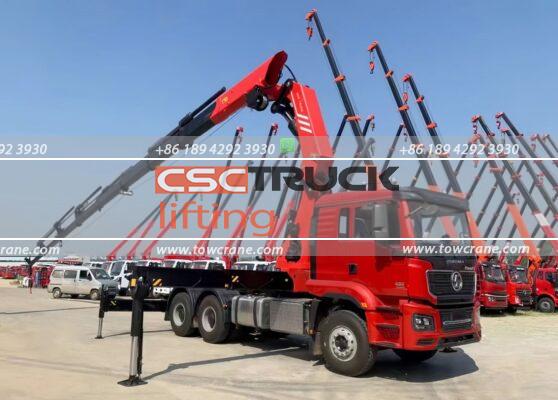
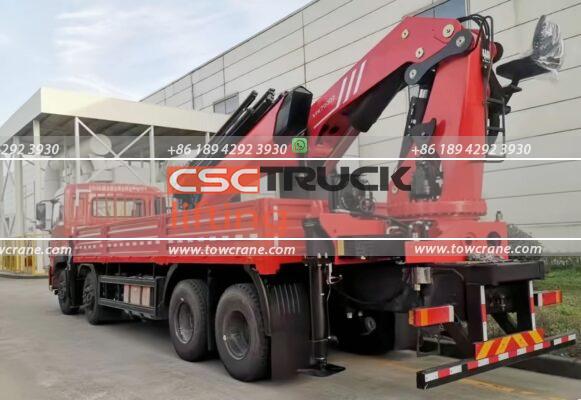
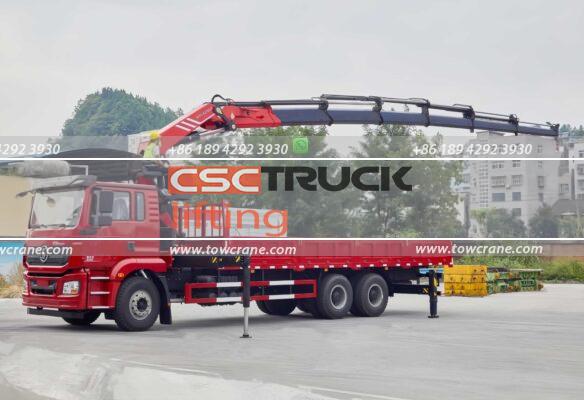
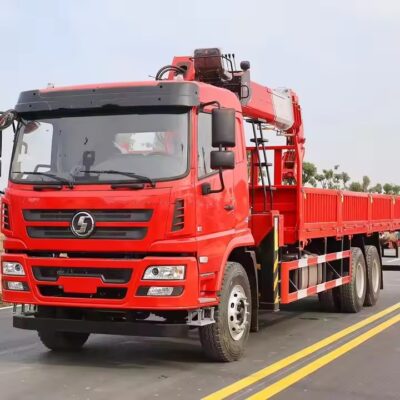
In the lifting and material handling industry, several types of cranes are commonly used for different tasks. Truck telescopic cranes are widely known for their long reach and strong lifting capability, making them suitable for heavy lifting and large construction projects. Loader cranes, often mounted on trucks, are frequently used for loading and unloading materials during transport operations.
Among these lifting solutions, it stands out for its compact folding design and excellent maneuverability. Its articulated boom allows operators to work efficiently in confined spaces while maintaining precise control during lifting operations. Because of this flexibility, knuckle boom cranes are widely used in construction, logistics, and material handling.
Proper maintenance is essential to ensure that a knuckle boom crane continues to deliver reliable performance over time. In this article, we will explore how to maintain a knuckle boom crane for long-term performance and safe operation.
Why Regular Maintenance Is Important
Routine maintenance is essential for maintaining the performance and safety of lifting equipment. A well-maintained knuckle boom crane can deliver consistent lifting power while minimizing unexpected downtime.
Regular maintenance helps achieve several important goals. It improves operational safety by ensuring that critical components function correctly. It also helps detect potential issues early, preventing small problems from turning into expensive repairs. In addition, proper maintenance extends the lifespan of the crane and keeps it operating at optimal efficiency.
For businesses that rely on lifting equipment daily, preventive maintenance is far more cost-effective than emergency repairs or equipment replacement.
Perform Daily Visual Inspections
Daily inspections are one of the simplest but most important maintenance steps. Before operating the crane, operators should conduct a quick visual check of the equipment to identify any obvious signs of damage or wear.
Look for cracks, deformation, or unusual wear on the boom structure. Check for loose bolts, damaged hoses, or leaking hydraulic lines. The crane’s hook, lifting attachments, and control components should also be inspected to ensure they are functioning correctly.
These routine checks help identify issues early and prevent equipment from being used in unsafe conditions.
Keep the Hydraulic System in Good Condition
The hydraulic system is the core of a knuckle boom crane, providing the power needed for lifting, extending, and folding the boom. Maintaining the hydraulic system is therefore critical to overall performance.
Hydraulic hoses, fittings, and cylinders should be inspected regularly for leaks or damage. Any signs of oil leakage or pressure loss should be addressed immediately. Maintaining clean hydraulic fluid is also important, as contamination can damage internal components and reduce system efficiency.
Regular checks ensure the hydraulic system continues to operate smoothly and reliably.
Lubricate Moving Components Regularly
Knuckle boom cranes contain many moving parts that require proper lubrication to reduce friction and prevent wear. These include pivot points, joints, bearings, and extension mechanisms.
Applying the correct lubricant at regular intervals helps ensure smooth movement of the crane’s components. Proper lubrication also reduces mechanical stress and helps prevent premature component failure.
Neglecting lubrication can lead to increased wear, reduced lifting efficiency, and potential mechanical damage.
Inspect the Boom Structure
The folding boom structure is one of the most important components of the crane. Because it experiences significant stress during lifting operations, regular inspection is essential.
Operators should check the boom sections for cracks, structural deformation, or signs of metal fatigue. Weld points and joints should also be examined carefully. Any structural damage should be addressed immediately by qualified technicians.
Maintaining the structural integrity of the boom ensures that the crane can safely handle lifting tasks over time.
Check Safety Systems and Controls
Modern knuckle boom cranes are equipped with safety systems designed to protect operators and prevent accidents. These systems may include load monitoring, overload protection, and stability control features.
Operators should regularly test these safety functions to ensure they are working properly. Control panels, remote controls, and operating switches should also be checked for responsiveness and accuracy.
Ensuring that safety systems function correctly is essential for preventing equipment overload and maintaining safe lifting operations.
Clean the Crane After Operation
Keeping the crane clean may seem like a simple task, but it plays an important role in long-term maintenance. Dirt, dust, and debris can accumulate on the boom, hydraulic components, and moving parts, potentially affecting performance.
After heavy use, especially in construction or industrial environments, the crane should be cleaned to remove debris and contaminants. Cleaning also makes it easier to identify leaks, cracks, or other maintenance issues during inspections.
A clean crane is easier to maintain and less likely to develop hidden mechanical problems.
Follow a Scheduled Maintenance Plan
In addition to daily checks, a structured maintenance schedule should be followed to ensure all components receive proper care. Periodic maintenance may include more detailed inspections, hydraulic system servicing, lubrication of major components, and replacement of worn parts.
Keeping detailed maintenance records helps operators track service history and ensures that no important maintenance tasks are overlooked.
Following a planned maintenance routine significantly improves the reliability and lifespan of lifting equipment.
Train Operators Properly
Proper operator training is another important factor in crane maintenance. Skilled operators understand the correct procedures for lifting, positioning loads, and using crane controls efficiently.
Incorrect operation, such as overloading the crane or using improper lifting techniques, can place unnecessary stress on the equipment. Training helps ensure that operators use the crane within safe limits and follow recommended operating practices.
Well-trained operators not only improve job site safety but also help extend the service life of the crane.
Conclusion
Maintaining a knuckle boom crane is essential for ensuring safe and efficient lifting operations. Regular inspections, proper lubrication, hydraulic system maintenance, and careful monitoring of structural components all contribute to long-term equipment performance.
By following a consistent maintenance routine and ensuring operators are properly trained, businesses can extend the lifespan of their cranes, reduce repair costs, and maintain reliable lifting performance.
A well-maintained knuckle boom crane not only improves productivity on the job site but also ensures safer working conditions for operators and surrounding personnel.