In today’s fast-paced world, шлеп аутоs play a crucial role in keeping our roads safe and ensuring theнесметан ток саобраћаја. They come to the rescue of stranded motorists, clear accident scenes, and assist in moving improperly parked vehicles. Међутим, while their services are undoubtedly essential, tow truck operations also have a significantenvironmental impact. У овом чланку, we will delve into the various aspects of howtow truck operations affect the environment and explore potential solutions to mitigate these effects.
The Tow Truck Industry: A Brief Overview
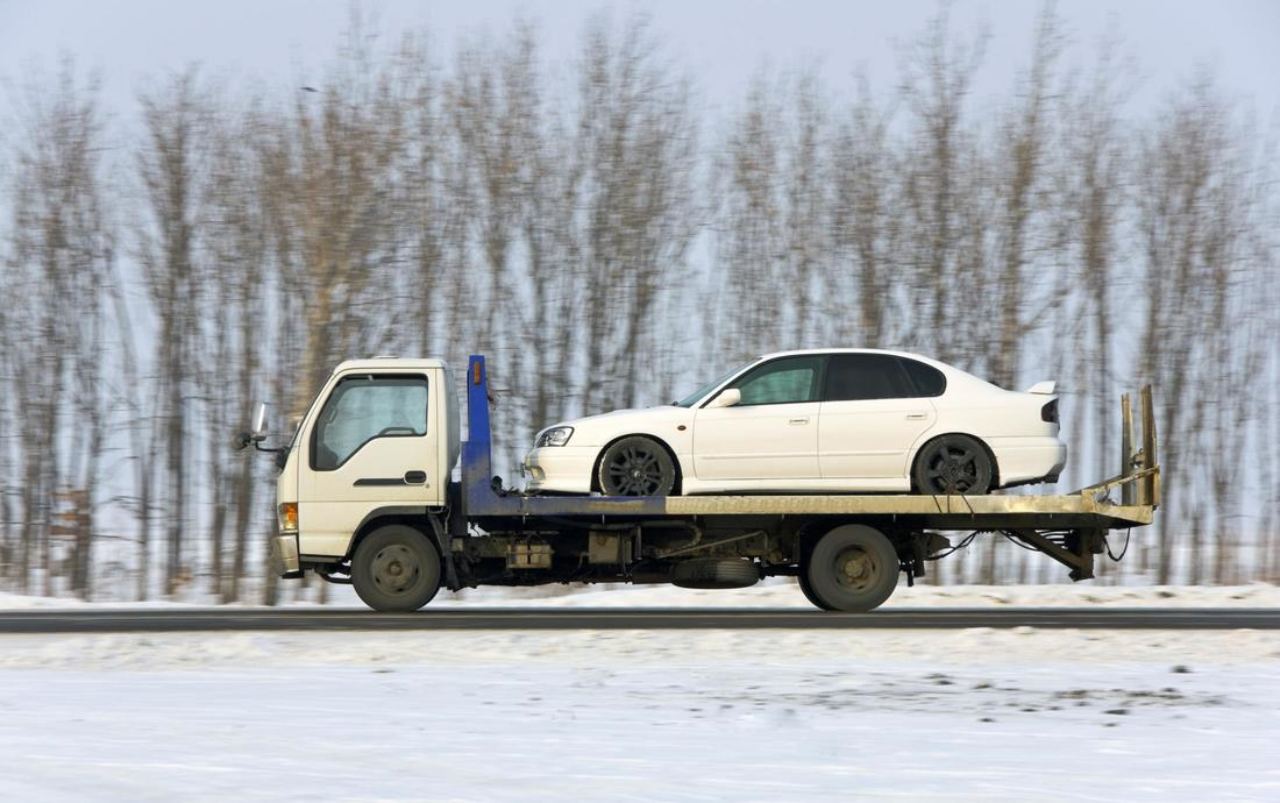
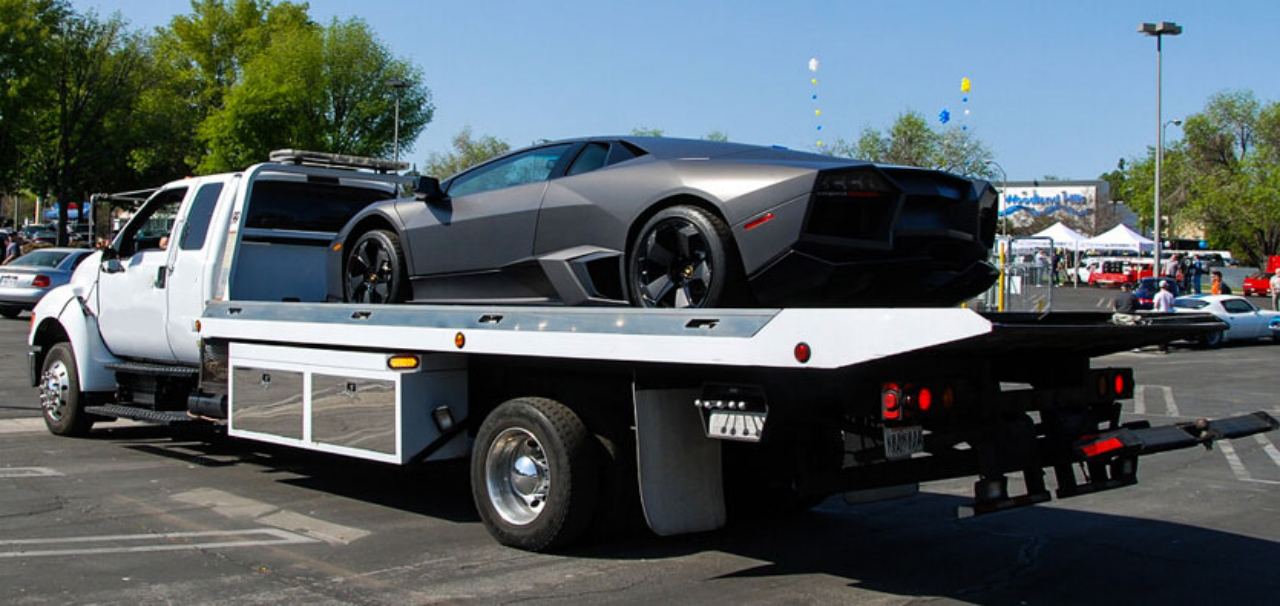
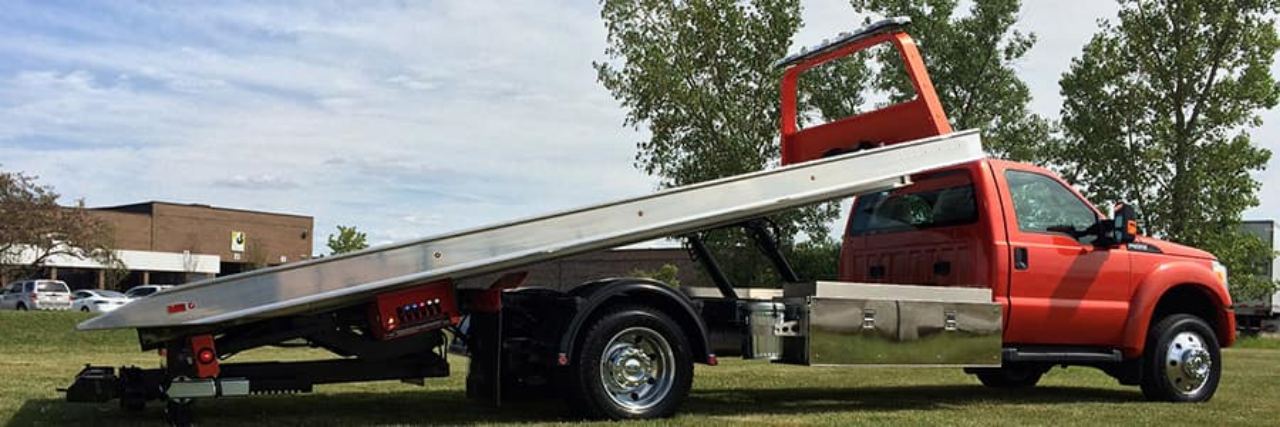
Тхе индустрија вучног камионаis a vital component of theautomotive ecosystem, providing services that range fromпомоћ на путу до accident recovery иimpoundment of illegally parked vehicles. These services are essential formaintaining road safety, preventing congestion, иfacilitating the movement of traffic. Шлеп камионs come in various types, including flatbeds, wheel lifts, and hook and chain trucks, each with specific functions and capabilities.
Energy Consumption and Emission
One of theprimary environmental concerns associated withtow truck operationsis theenergy consumption и emissions generatedby these vehicles. Шлеп камионs are typically powered byinternal combustion engines, which rely on fossil fuels like gasoline or diesel. As a result, they emit carbon dioxide (CO2), nitrogen oxides (НОк), and particulate matter into the atmosphere.
Шлеп камионs often need to idle for extended periods while waiting for calls or working at accident scenes. Idling consumes fuel иcontributes to air pollution. Међутим, advancements in technology, као што је hybrid and electric tow truckс, are beginning to emerge, offering the potential for a more sustainable alternative to traditional, gas-guzzling models.
Resource Intensity and Maintenance
The operation ofшлеп аутоs isresource-intensive. These vehicles require a significant amount of maintenance, which can lead to theconsumption of materials and energy. The extraction and processing of materials fortruck maintenance, as well as the disposal of waste materials, contribute to environmental impacts.
Штавише, the production ofшлеп аутоs themselves involves the use of raw materials, energy, and transportation resources. The lifespan of a шлеп аутоis generally shorter than that of personal vehicles, which results in morefrequent replacements и further environmental costс.
Traffic Congestion and Fuel Efficiency
Док шлеп аутоs aim toreduce traffic congestionby quickly removing accident-damaged vehicles, their presence can sometimes have the opposite effect. Traffic jams can occur when шлеп аутоs are working to clear an accident scene, leading toexcessive fuel consumption and emissions.
To mitigate these issues, sometow truck companiesareimplementing fuel-efficient practices, као што је Оптимизација рутеand the use oflow-emission vehicles. Додатно, the adoption of bettertraffic management strategiesduring accident recoveries can help reduce congestion and emissions.
Illegal Parking Enforcement
Шлеп камионs are commonly used for enforcing parking regulations by impounding vehicles parked in restricted areas or without valid permits. While this serves to maintain order and prevent illegal parking, it also involvesadditional emissions и energy consumption. Шлеп камионs need to travel to the location of the illegally parked vehicle, load it onto the truck, and transport it to an impound lot.
To address this environmental concern, local governments и компаније за вучуcan explore alternative methods forenforcing parking regulationс. The use ofticketing systemс орimmobilization devices can help reduce the need forшлеп аутоs in cases of minor parking violations, minimizing the associated emissions and energy consumption.
Waste Generation and Disposal
Тхе вучна индустријаgenerates a significant amount of waste, including old or damaged vehicle parts, used oils and fluids, and worn-out tires. Proper disposal и recycling of these materialsare essential for reducing the environmental impact. Tow truck operators should adhere to waste management regulations and promote recycling and responsible disposal practices.
Надаље, adopting environmentally friendly materials и technologiesintow truck manufacturingcan helpreduce waste generation. Lightweight materials иenergy-efficient componentscan extend the lifespan ofшлеп аутоs and reduce the need for frequent replacements.
Community Noise Pollution
Tow truck operations can be noisy, especially duringvehicle recovery and transportation. The noise generated byшлеп аутоs can disrupt the peace and tranquility of residential areas, leading to noise pollution issues. Овоnoise pollutioncan have adverse effects on the health and well-being of nearby residents.
To address this concern, tow truck operators can invest inquieter equipmentand adoptnoise-reduction measuressuch as mufflers and soundproofing technologies. Додатно, local regulations can be put in place to restrict the hours during whichtow truck operationscan occur in residential areas.
Sustainable Tow Truck Practices
While the environmental impact oftow truck operations cannot be eliminated, some steps can be taken to make these operations more sustainable:
1. Adoption of Eco-Friendly Vehicles:Компаније за вучуcan invest in environmentally friendly vehicles, као што је hybrids or electric tow truckс. These vehicles producefewer emissions and are more fuel-efficient.
2. Route Optimization:Implementing efficient routing и dispatch systems моћи minimize fuel consumption и reduce emissionsby ensuring that tow trucks take the most direct route to their destinations.
3. Maintenance Best Practices:Редовно одржавање и inspections of tow trucks can ensure they operate efficiently and extend their lifespan, reducing the frequency of replacements.
4. Noise Reduction:Noise pollutioncan be minimized by using quieter equipment, and mufflers, and schedulingtow truck operations during hours that minimize disturbance to residents.
5. Waste Management:Оператор камионаs should adhere towaste management regulationс, recycle materials, and promote responsible disposal practices.
6. Traffic Management:Improved traffic management strategiesduring accident recoveries can helpreduce congestion and emissions.
7. Regulation and Compliance:Local governments can implement and enforceenvironmental regulations for theвучна индустрија, encouraging responsible practices.
8. Public Awareness:Компаније за вучуcan educate the public about theirenvironmental effortsand encourageresponsible parking behaviorto reduce the need for towing.
У закључку, tow truck operationsare essential formaintaining road safety и traffic flow, but they do have asignificant environmental impact. The industry is evolving, with the emergence of more eco-friendlytow truck optionsand agrowing focus on sustainability. Byimplementing sustainable practices and technologies, tow truck operationscan help mitigate theirenvironmental impactand contribute to a cleaner, greener future. It is essential for all stakeholders, including towing companies, regulators, and the public, to work together to findinnovative solutionsthat balance the necessity oftow truck operationswith theirenvironmental consequences.