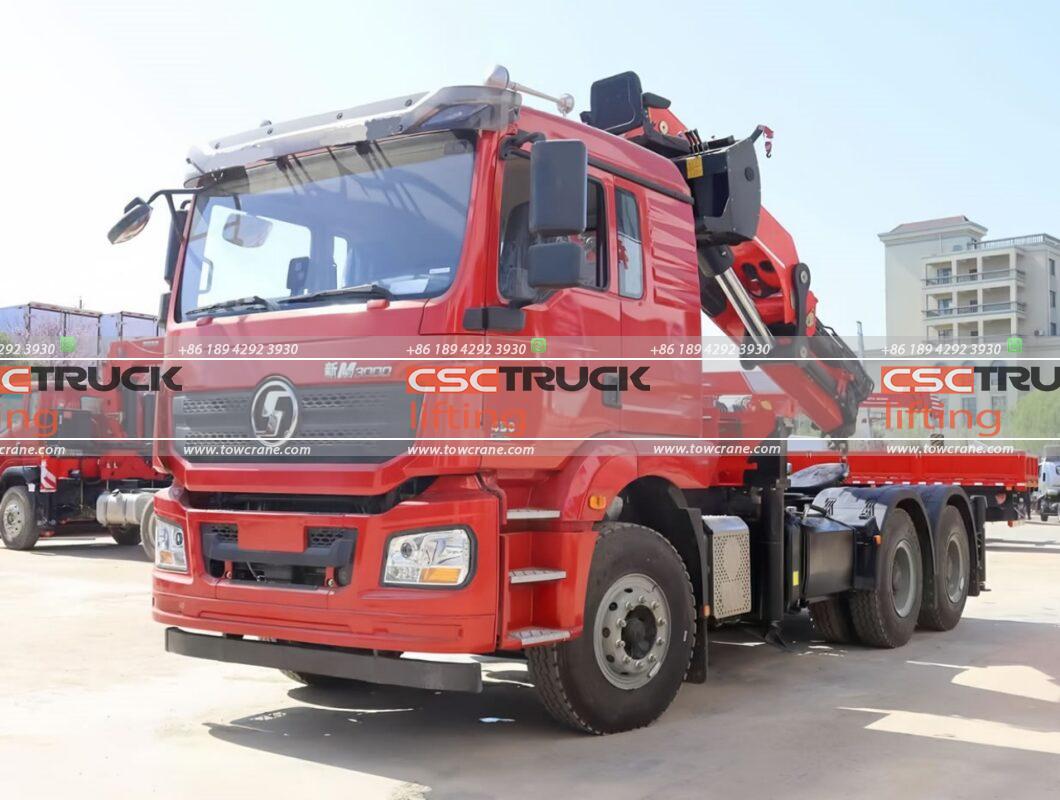
Para sa katawan ng tao, ang puso ay pinakamahalaga dahil ito ay nagbobomba ng dugo na nabubuhay sa buong sistema. Ganun din, para sa isang espesyal na sasakyan, ang makina ang pangunahing bahagi nito, ang puwersang nagtutulak na nagpapagana sa mga operasyon nito. Ang makina ay umaasa sa gasolina para sa pag-andar nito. Kung ang tangke ng gasolina ay naglalaman ng labis na dami ng mga dumi, during the vehicle’s usage, these impurities might enter the engine, causing significant damage. Sa paglipas ng panahon, this can lead to various problems and significantly shorten the engine’s lifespan. Ngayong araw, let’s guide you through the process of cleaning the fuel tank of acrane na naka-mount sa trak. Ang crane na naka-mount sa trakis not only cost-effective and widely utilized but also serves as an excellent aid in achieving prosperity.
First and foremost, start by opening the oil drain plug of the fuel tank of thecrane na naka-mount sa trak. Ensure that all the oil within the tank is completely drained, and then securely tighten the oil drain bolt. This initial step is crucial for removing the existing fuel, which might contain accumulated impurities and contaminants.
Next, remove the fuel tank cap and the filter screen on the fuel tank of thecrane na naka-mount sa trak. Afterward, add approximately 15-20mm of fresh fuel to the tank. This small amount of fuel will aid in the subsequent cleaning process by creating a fluid medium for the removal of dirt and debris.
Insert the hose equipped with the spray head deep to the bottom of the fuel tank of thecrane na naka-mount sa trak. The position of the spray head at the tank’s base ensures that the cleaning action starts from the lowest point where sediment and impurities tend to accumulate.
Seal the fuel filler of the fuel tank of thecrane na naka-mount sa trakand utilize compressed air at a pressure ranging from 380 sa 600 kpa to flush the tank. During this flushing process, it is essential to constantly change the position of the spray head. This ensures that impurities, sediments, and other contaminants within the tank are agitated and mixed with the fuel, facilitating a more thorough cleaning. By varying the spray head’s position, all areas of the tank are exposed to the cleaning action, leaving no hidden corners or pockets of dirt.
Once you are confident that the tank has been thoroughly cleaned, reopen the oil drain plug of the fuel tank of thecrane na naka-mount sa trakand allow the dirty oil to drain out completely. This final drainage step removes any remaining contaminants and the used cleaning fluid.
Depending on the severity of dirt and sediment accumulation within the tank, repeat the cleaning process 4-5 times. After confirming that all the sediments in the fuel tank of thecrane na naka-mount sa trakhave been completely eliminated, reinstall the fuel filler cap and the fuel filter screen. The filter screen plays a vital role in preventing any future large particles or impurities from entering the fuel system.
Check whether the ventilation valve of the fuel tank cap of thecrane na naka-mount sa trakis unobstructed. A free-flowing ventilation valve is essential to maintain proper pressure balance within the tank and ensure smooth fuel delivery.
Finally, fill the fuel tank of thecrane na naka-mount sa trakwith clean, high-quality fuel. Bilang karagdagan, remove any air trapped within the fuel line to ensure a continuous and unhindered fuel supply to the engine.
By meticulously following the above steps, the fuel tank can be comprehensively and effectively cleaned. Vehicles such as wrecker trucks, sewage suction trucks, and stage trucks can also adopt this cleaning method for their fuel tanks. A clean fuel tank is the foundation for a smooth fuel supply, ensuring the normal performance of the engine and prolonging its service life. Everyone should give this method a try promptly to keep their vehicle’s engine in top condition and optimize its performance and longevity.
Sa konklusyon, regular and proper cleaning of the fuel tank is an important maintenance task that contributes to the overall reliability and efficiency of the vehicle. By investing the time and effort into this process, you can prevent potential engine problems, reduce fuel system issues, and ultimately save on repair costs and downtime. Kaya, don’t delay and keep your vehicle’s heart – the engine – healthy and running smoothly with a clean fuel tank.