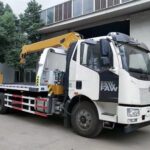
When it comes to towing vehicles, having the right equipment is crucial. Whether you are a towing professional or a business owner looking to add towing services to your repertoire, choosing the rightcarrier ọkọ ayọkẹlẹ lileis a decision that requires careful consideration. The market offers a variety of options, each designed for specific purposes and capacities. In this comprehensive guide, we will delve into the key factors to consider when selecting aọkọ ayọkẹlẹ ti ngbeto ensure that you make an informed and effective choice.
1. UnderstandingCarrier Tow Trucks:
Before diving into the selection process, it’s essential to understand whatọkọ ayọkẹlẹ ti ngbes are and how they differ from other types ofọkọ ayọkẹlẹ liles. Carrier tow trucks, also known asflatbed orRollback ọkọ ayọkẹlẹ ọkọ ayọkẹlẹs, feature a flat, level bed onto which the vehicle is loaded for transport. This design eliminates the need for a secondary set of wheels on the towed vehicle, making it suitable for a wide range of vehicles, including those with low clearance or damaged wheels.
2. Assessing Your Towing Needs:
The first step in choosing the rightọkọ ayọkẹlẹ ti ngbeis to assess your specific towing needs. Consider the types of vehicles you will be towing, their weights, and any additional requirements such as the ability to tow multiple vehicles simultaneously. Understanding your business requirements will guide you in selecting aọkọ ayọkẹlẹ ti ngbewith the appropriate capacity and features.
3. Capacity and Size Matters:
Carrier tow trucks come in various sizes and weight capacities. It’s crucial to choose a truck that can handle the maximum weight of the vehicles you intend to tow. Pay attention to both the towing capacity and the deck size. Larger trucks may offer greater versatility, but they also come with increased operating costs. Balance your need for capacity with practical considerations such as maneuverability and fuel efficiency.
4. Hydraulic Systems and Tilt Options:
Efficient loading and unloading are essential aspects ofọkọ ayọkẹlẹ ti ngbes. Hydraulic systems play a crucial role in this process. Look for trucks with advanced hydraulic systems that provide smooth and controlled tilting and lifting capabilities. Some trucks offer additional tilt options, allowing for easier loading of vehicles with minimal ground clearance.
5. Durability and Construction:
Investing in aọkọ ayọkẹlẹ ti ngbeis a significant decision, and you want a vehicle that stands the test of time. Assess the durability of the truck by examining its construction, frame material, and overall build quality. Consider factors such as rust resistance and the quality of materials used. A robust and well-builtọkọ ayọkẹlẹ lilewill require less maintenance and provide a longer service life.
6. Maneuverability and Accessibility:
The ability to navigate through different terrains and tight spaces is crucial for aọkọ ayọkẹlẹ ti ngbe. Evaluate the maneuverability of the truck, especially if you’ll be operating in urban areas with narrow streets or congested traffic. Accessibility features such as remote controls for the hydraulic system and user-friendly controls contribute to the overall ease of operation.
7. Awọn ẹya Abo:
Safety should be a top priority when selecting aọkọ ayọkẹlẹ ti ngbe. Wo awọn oko nla ti o ni ipese pẹlu awọn ẹya aabo ti o ni ilọsiwaju gẹgẹbi awọn idaduro egboogi-titii, Airbags, and stability control systems. Afikun, consider features like winch tensioners and secure tie-down points to ensure that the towed vehicles remain stable and secure during transport.
8. Cost Considerations:
While it’s tempting to focus solely on features and capabilities, cost considerations are also crucial. Evaluate the upfront cost of the ọkọ ayọkẹlẹ ti ngbe, as well as ongoing operating costs such as fuel efficiency and maintenance. Consider the long-term return on investment and choose a truck that not only meets your current needs but also aligns with your budget and financial goals.
9. Brand Reputation and Reviews:
Researching the reputation of the manufacturer and reading customer reviews can provide valuable insights into the performance and reliability of a carrier tow truck. Established brands with a history of producing quality towing equipment are more likely to deliver a reliable product. Customer reviews offer real-world experiences, helping you make an informed decision based on the experiences of othertowing professionals.
10. Regulatory Compliance:
Ensure that theọkọ ayọkẹlẹ ti ngbeyou choose complies with local and federal regulations regarding towing equipment. This includes adhering to weight limits, safety standards, and any specific requirements imposed by regulatory authorities. Choosing a truck that meets or exceeds these standards not only ensures legal compliance but also contributes to the safety of both the towing operator and the towed vehicles.
Ipari:
Choosing the right ọkọ ayọkẹlẹ ti ngbeis a critical decision that requires careful consideration of various factors. By understanding your towing needs, assessing capacity, examining features, and considering factors like maneuverability and safety, you can make an informed decision that aligns with your business goals. Investing in a reliable and well-suitedọkọ ayọkẹlẹ ti ngbewill not only enhance your towing capabilities but also contribute to the overall success and efficiency of your towing operations.