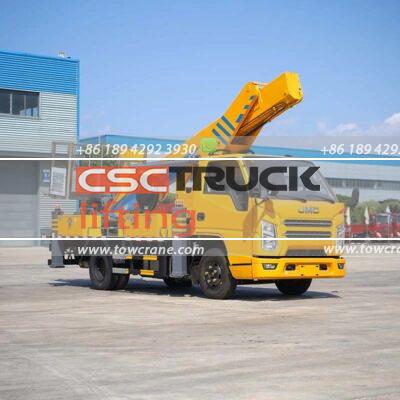
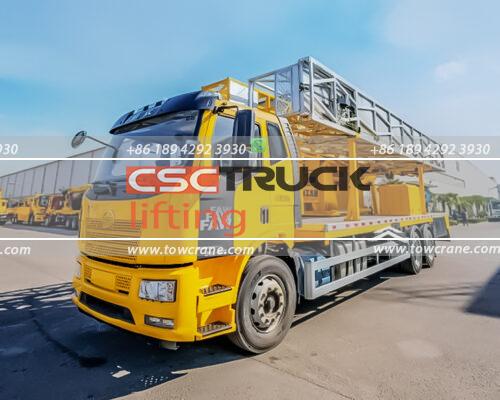
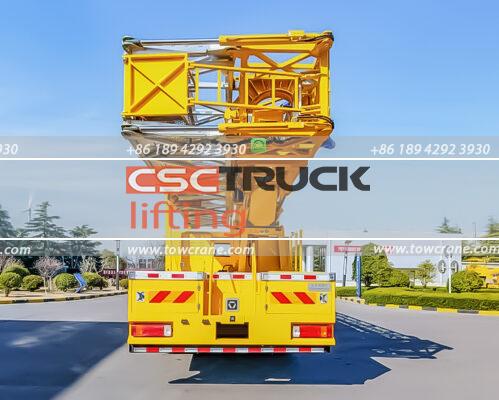
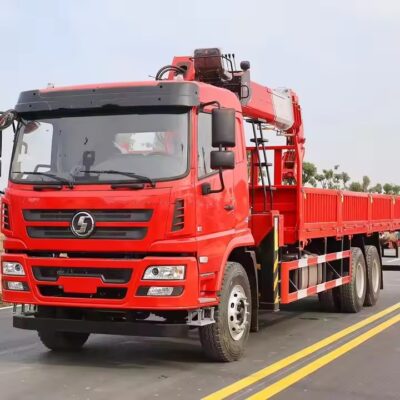
Heavy duty tow trucks are the powerhouses of the towing industry, capable of handling the largest and heaviest vehicles on the road. These trucks are designed to tow and recover a wide range of vehicles, including buses, semi-trucks, construction equipment, and other large machinery. This article provides an in-depth look into the mechanics, uses, awọn anfani, and maintenance of heavy duty tow trucks.
Mechanics of Heavy Duty Tow Trucks
Heavy duty tow trucks are engineered with robust features to manage the weight and size of large vehicles. Key components include:
Boom:
The boom is a hydraulic arm used to lift and recover vehicles. Heavy duty tow trucks are equipped with powerful booms that can extend and rotate, allowing them to handle vehicles in difficult positions.
Winches:
These trucks have multiple winches with high tensile strength cables, providing the necessary force to pull and lift heavy vehicles. The winches can be operated independently or simultaneously for greater control and efficiency.
Stabilizers and Outriggers:
Stabilizers and outriggers are deployed to ensure the truck remains stable during towing and recovery operations. These extendable legs provide a wider base of support, preventing the tow truck from tipping over.
Integrated Wheel Lift:
Many heavy duty tow trucks feature an integrated wheel lift system. This allows for the secure lifting and towing of vehicles by their wheels, minimizing the risk of damage.
Durable Chassis and Suspension:
The chassis and suspension systems of heavy duty tow trucks are reinforced to handle extreme loads. High-strength materials and advanced engineering ensure durability and reliability.
Benefits of Heavy Duty Tow Trucks
The advantages ofheavy duty tow trucks are manifold, making them indispensable in the towing industry:
Capability:
Heavy duty tow trucks can tow and recover vehicles that other tow trucks cannot manage, including oversized loads and vehicles involved in severe accidents.
Ìtṣewí:
These trucks are designed to handle a variety of towing and recovery situations, from roadside assistance for large vehicles to complex recovery operations involving overturned trucks or machinery.
Koriya:
With powerful engines and advanced towing equipment, heavy duty tow trucks can perform tasks quickly and effectively, reducing downtime for the vehicles being towed.
Safety:
Heavy duty tow trucks are equipped with advanced safety features, such as anti-lock brakes, iṣakoso iduroṣinṣin, and sophisticated lighting systems. These features enhance safety for both the tow truck operators and other road users.
Support for Emergency Services:
These tow trucks play a critical role in supporting emergency services by clearing accident scenes, recovering vehicles from hazardous conditions, and assisting in disaster response.
Applications of Heavy Duty Tow Trucks
Heavy duty tow trucks are utilized in various scenarios, each requiring their specific capabilities:
Commercial Vehicle Towing:
They are essential for towing large commercial vehicles such as buses, semi-trucks, and delivery trucks. This ensures that businesses can quickly address vehicle breakdowns and maintain their operations.
Construction Equipment Transport:
Heavy duty tow trucks are used to transport construction equipment and machinery, such as bulldozers, excavators, and cranes, from one site to another. This is crucial for maintaining project timelines and productivity.
Igbapada ijamba:
In the event of major accidents involving large vehicles, heavy duty tow trucks are deployed to recover and transport the damaged vehicles. Their powerful equipment can handle even the most challenging recovery operations.
Emergency and Disaster Response:
These trucks are vital in emergency and disaster response, helping to clear roads and transport heavy vehicles out of dangerous areas. They are often part of the fleet used by first responders during natural disasters and major incidents.
Heavy Load Hauling:
Heavy duty tow trucks are used for hauling exceptionally heavy loads that exceed the capacity of standard tow trucks. This includes industrial machinery, oversized vehicles, and large construction materials.
Choosing a Heavy Duty Tow Truck
Selecting the rightheavy duty tow truckinvolves considering several factors to ensure it meets your specific needs:
Agbara toging:
The truck should have a towing capacity that exceeds the weight of the heaviest vehicles you plan to tow. Overestimating your needs can provide a margin of safety and extend the lifespan of the truck.
Agbara ẹrọ:
A powerful engine is essential for handling heavy loads and providing the necessary torque for towing. Diesel engines are commonly used in heavy duty tow trucks for their durability and efficiency.
Boom and Winch Specifications:
Consider the length, reach, and lifting capacity of the boom, as well as the strength and length of the winch cables. These specifications should match the requirements of your typical towing and recovery operations.
Stabilization Features:
Ensure the truck is equipped with effective stabilizers and outriggers to provide the stability needed during heavy lifts and recoveries.
Durability and Build Quality:
The materials and construction quality of the truck should be able to withstand the rigors of heavy duty towing. Look for trucks built with high-strength steel and other durable components.
Awọn ẹya Abo:
Advanced safety features such as anti-lock braking systems, iṣakoso iduroṣinṣin, and comprehensive lighting are crucial for safe operations. Backup cameras and other technological aids can also enhance safety.
Maintenance of Heavy Duty Tow Trucks
Regular maintenance is critical to ensure the longevity and reliability ofheavy duty tow trucks:
Awọn ayewo ilana:
Conduct regular inspections of the boom, winches, hydraulic systems, and stabilizers. Check for signs of wear and tear and address any issues promptly to prevent breakdowns.
Engine ati itọju gbigbe:
Tẹle iṣeto iṣẹ ti a pese fun awọn ayipada epo, Àlẹmọ rirọpo, ati ẹrọ miiran ati awọn iṣẹ itọju gbigbe. Tọju awọn paati wọnyi ni ipo ti o dara jẹ pataki fun iṣẹ igbẹkẹle.
Itọju taya:
Nigbagbogbo ṣe ayẹwo ati ṣetọju awọn taya, pẹlu yiyewo fun afikun afikun ati traad wọ. Awọn taya ti a ṣetọju daradara ni idaniloju mimu ati ailewu lakoko awọn iṣẹ to muna.
Hydraulic System Maintenance:
The hydraulic system should be regularly checked for leaks, fluid levels, and proper operation. This system is critical for the functioning of the boom and other lifting mechanisms.
Cleaning and Corrosion Prevention:
Keep the truck clean to prevent rust and corrosion, Paapa lẹhin ifihan si awọn ipo oju oju ojo tabi awọn kemikali. Regular washing and protective coatings can prolong the truck’s lifespan.
Igbasilẹ mimu:
Ṣe abojuto awọn igbasilẹ alaye ti gbogbo itọju ati awọn atunṣe. Eyi ṣe iranlọwọ lati tọpinpin ipo ikoledanu, Ṣeto itọju ọjọ iwaju, ati pese alaye ti o niyelori ti o ba pinnu lati ta ọkọ ayọkẹlẹ naa.
Ipari
Heavy duty tow trucks are the backbone of the towing industry, providing the strength, versatility, and reliability needed to handle the largest and most challenging towing and recovery tasks. Their advanced mechanics, powerful equipment, and robust design make them essential for commercial vehicle towing, construction equipment transport, Igbapada ijamba, and emergency response. By understanding the key features, awọn anfani, Awọn ohun elo, and maintenance requirements of heavy duty tow trucks, you can make informed decisions whether you are considering purchasing one or selecting a tow truck service provider. Prioritizing towing capacity, agbara ẹrọ, safety features, and regular maintenance will ensure you get the most out of these indispensable vehicles.