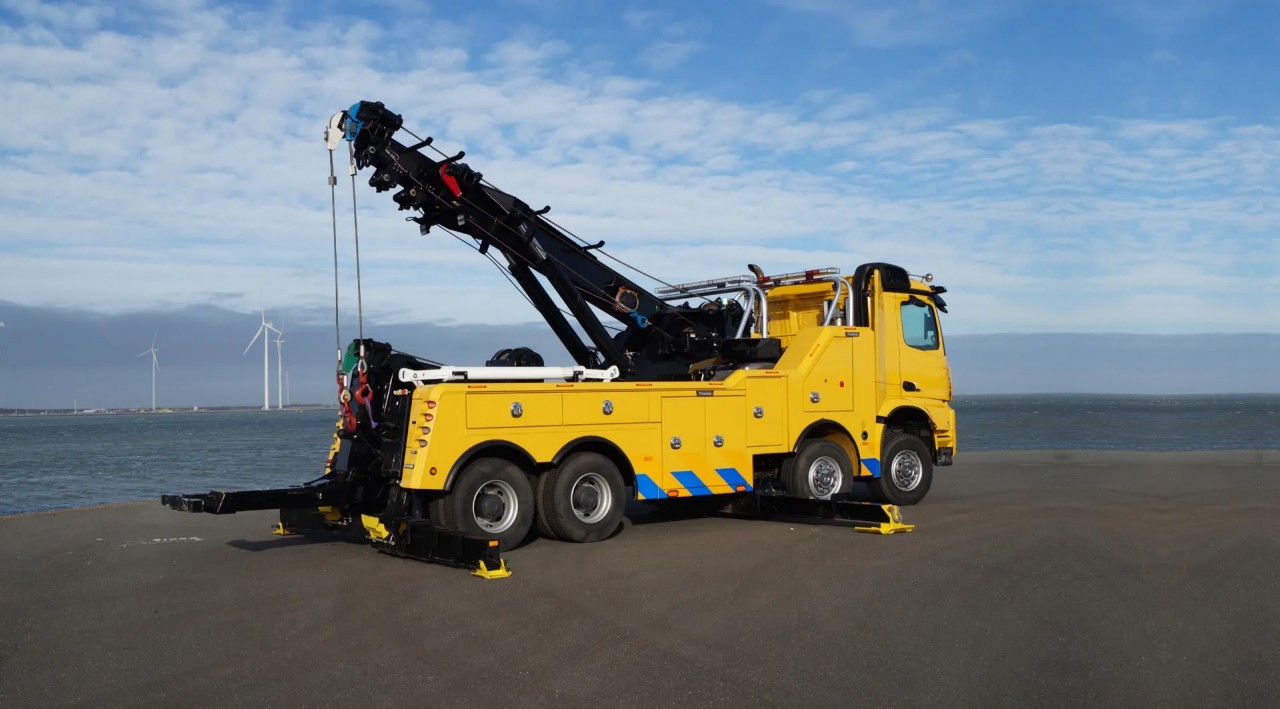
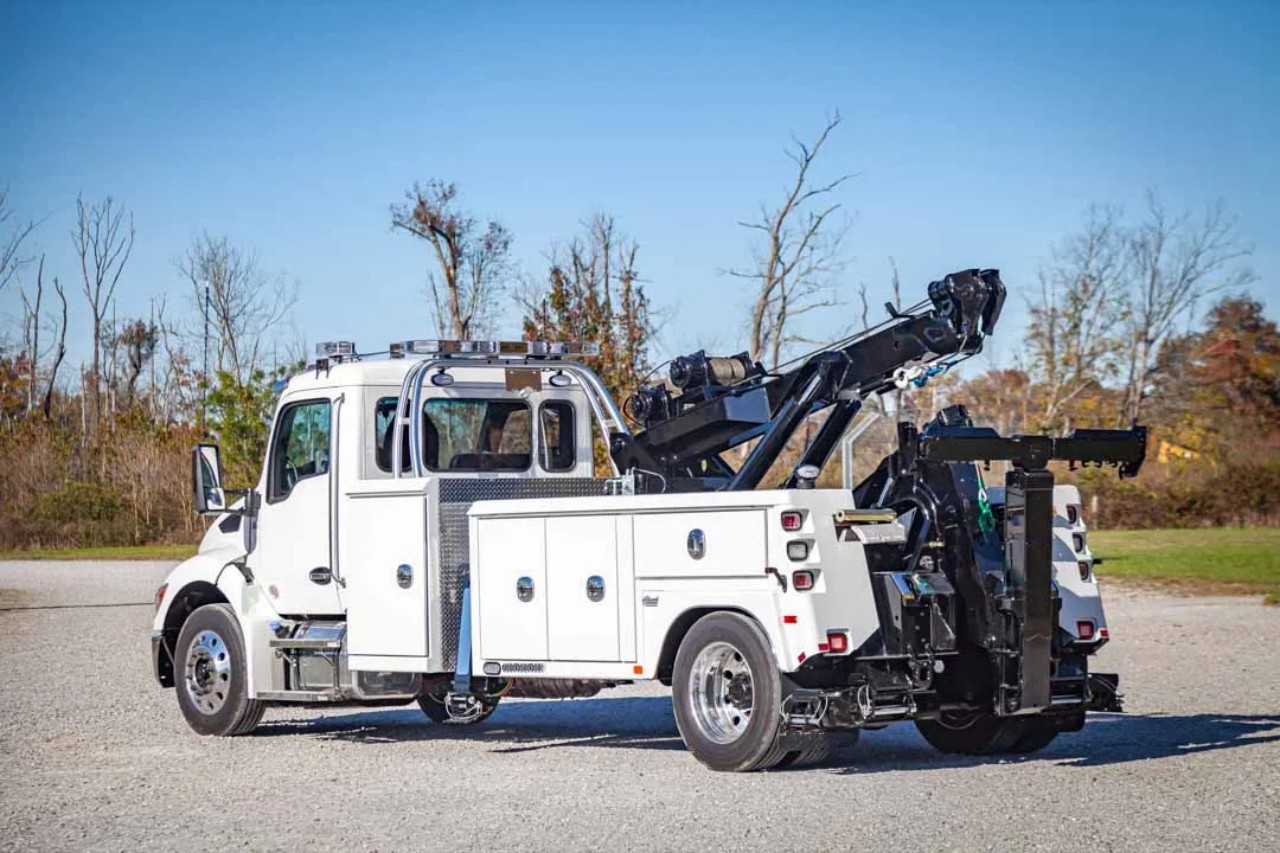
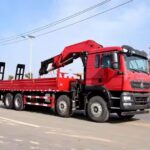
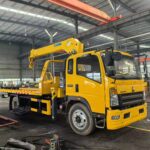
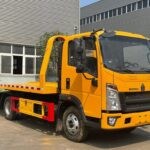
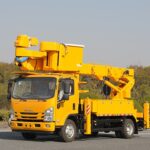
Rotator oko nlas are specializedọkọ ayọkẹlẹ lilethat is designed forheavy-duty lifting and recovery situations. They feature acrane-like armthat can rotate 360 degrees, which gives them the ability to lift and move vehicles in a variety of difficult positions. Rotator oko nlas are often used in accidents involvingheavy vehicles, such assemis and tractor-trailers. They can also be used to lift and move other heavy equipment, such as construction vehicles and farm machinery.
How Rotator Tow Trucks Work
The main component of arotator oko nlais thecrane-like arm. This arm is typically made of steel and is supported by aeefun ti eto. Awọn eefun ti etoallows the arm to be raised and lowered, as well as rotated 360 degrees. The arm is equipped with a hook or other attachment that is used to secure the vehicle being towed.
In addition to thecrane-like arm, rotator oko nlas also typically have a winch. The winch is used to provideadditional lifting power. It is also used to secure the vehicle being towed to theọkọ ayọkẹlẹ lile.
Uses for Rotator Tow Trucks
Rotator oko nlas are used in a variety ofheavy-duty lifting and recovery situations. Some of the most common uses forrotator oko nlas include:
Accident recovery: Rotator oko nlas are often used to recover vehicles that have been involved in accidents. They can be used to lift and move vehicles that are in difficult positions, such as vehicles that have flipped over or that are stuck in ditches.
Heavy equipment transport: Rotator oko nlas can be used to transportohun elo wuwo, such asconstruction vehicles ati farm machinery. They can be used to lift and move equipment that is too heavy or too large to be transported by other means.
Industrial applications: Rotator oko nlas are also used in a variety of industrial applications. They can be used to lift and move heavy machinery, such as boilers and generators. They can also be used to perform maintenance and repairs on heavy equipment.
Advantages of Rotator Tow Trucks
Rotator oko nlas offer several advantages over ọkọ ayọkẹlẹ itales. Some of the most significant advantages ofrotator oko nlas include:
Increased lifting capacity: Rotator oko nlas have a much higher lifting capacity thanọkọ ayọkẹlẹ itales. This allows them to lift and move heavier vehicles and equipment.
Improved maneuverability: The rotating arm of arotator oko nlagives it much better maneuverability than aọkọ ayọkẹlẹ itale. This allows them to work in tight spaces and to lift and move vehicles in difficult positions.
Increased safety: The rotating arm of arotator oko nlaallows the operator to keep a safe distance from the vehicle being towed. This reduces the risk of injury to the operator and others in the area.
Disadvantages of Rotator Tow Trucks
Rotator oko nlas also have some disadvantages. Some of the most significant disadvantages ofrotator oko nlas include:
Higher cost: Rotator oko nlas are more expensive thanọkọ ayọkẹlẹ itales.
Larger size: Rotator oko nlas are larger than ọkọ ayọkẹlẹ itales. This can make them more difficult to maneuver in tight spaces.
Specialized training: Operators ofrotator oko nlas need specialized training. This training is not required to operate aọkọ ayọkẹlẹ itale.
Types of Rotator Tow Trucks
O wa 2 Awọn oriṣi akọkọ ti rotator oko nlas:
Straight-arm rotator tow trucks:These trucks have a straight arm that is mounted on the side of the truck. The arm can be raised and lowered, as well as rotated 360 degrees.
Boom-type rotator tow trucks:These trucks have a boom that is mounted on the front of the truck. The boom can be extended and retracted, as well as rotated 360 degrees.
Straight-arm rotator tow trucks are typically used for lifting and moving vehicles that are in relatively good condition. Boom-type rotator tow trucks are typically used for lifting and moving vehicles that are in more difficult conditions, such as vehicles that have been involved in accidents.
Awọn akiyesi ailewu
Rotator oko nlaS ni awọn ero alagbara, and they can be dangerous if they are not properly operated. Operators ofrotator oko nlas must be properly trained and certified. They must also be aware of the potential hazards involved in operating these trucks.
Some of the potential hazards associated withrotator oko nlas include:
Overloading:Rotator oko nlas can be overloaded, which can cause them to tip over or collapse.
Falling objects:Objects can fall from the arm of arotator oko nla, which can injure people or damage property.
Electrical hazards:Rotator oko nlas can come into contact with electrical lines, which can cause serious injuries or death.
Operators ofrotator oko nlas must be aware of these hazards and take steps to mitigate them. They must also be familiar with the safety procedures for operating these trucks.
Ipari
Rotator oko nlas are a valuable tool for a variety ofheavy-duty lifting atirecovery situations. They offer several advantages overọkọ ayọkẹlẹ itales, but they also have some disadvantages. Operators ofrotator oko nlas must be properly trained and certified to operate these trucks safely.
If you need to tow a heavy vehicle or equipment, a rotator oko nlais the best choice. They have the lifting capacity and maneuverability to handle even the most difficult situations.