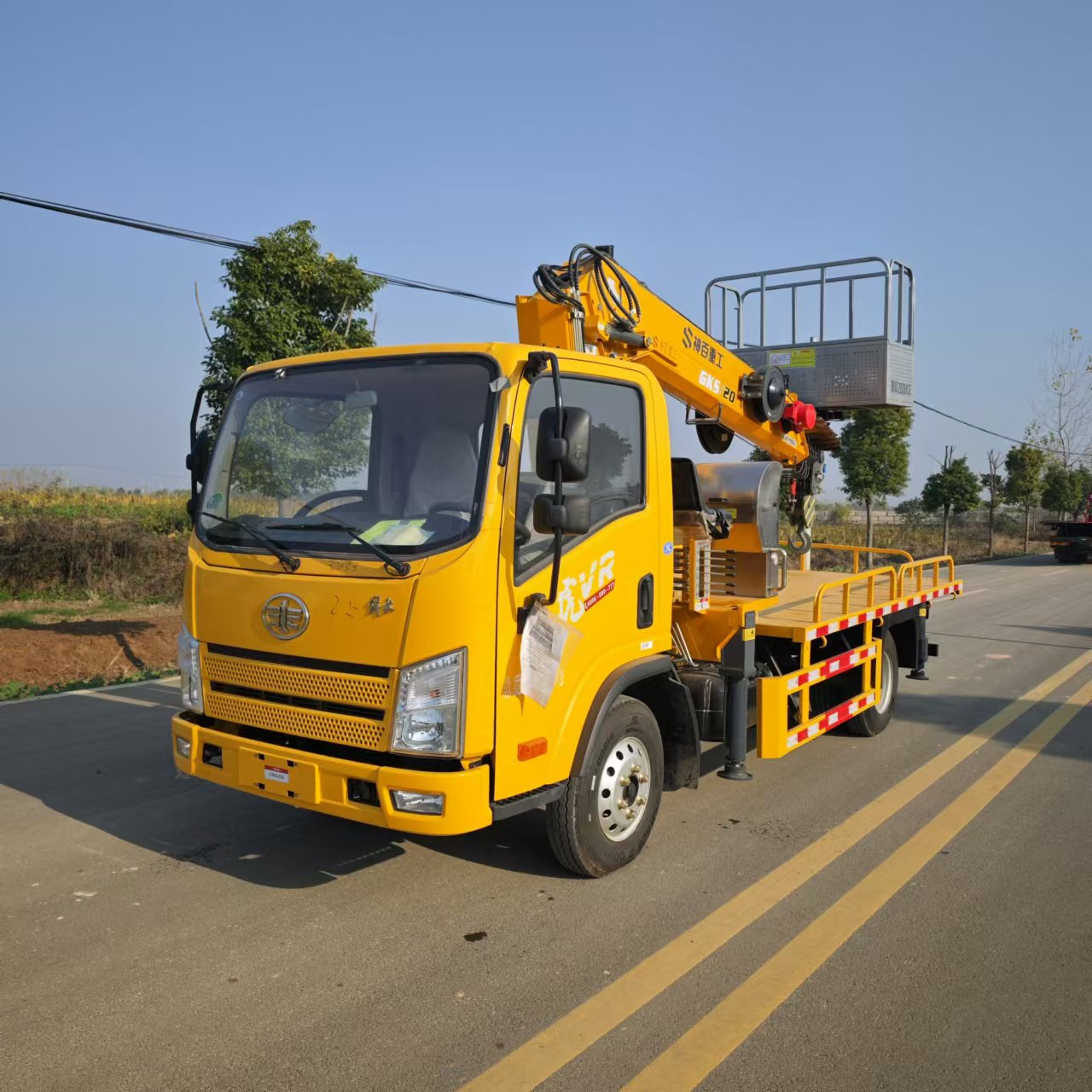
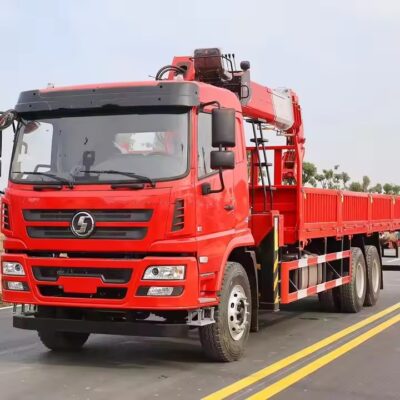
The Africangrúa de carga mercadois gaining momentum as governments and private investors accelerate infrastructure development across transportation, mining, energy, ports, and urban construction projects. Loader cranes are increasingly preferred for projects operating in congested urban environments and rugged terrains.
Actualmente, the African market features several major types of loader cranes, incluido:
Grúas con pluma articulada– Known for their compact structure and high flexibility, ideal for urban construction and confined working spaces.
Telescopic Boom Cranes– Offer greater lifting height and working radius, making them suitable for heavy-duty lifting operations.
Infrastructure Expansion Driving Equipment Demand
Africa’s infrastructure gap continues to stimulate large-scale investment inroads, railways, ports, utilidades, and industrial corridors. Countries such as South Africa, Nigeria, Kenya, Egypt, Angola, and Morocco are expanding logistics and transportation networks, creating strong demand for lifting equipment.
Port modernization programs are especially important. South Africa’s Transnet announced multibillion-dollar rail and port upgrades aimed at improving freight efficiency and export capacity.
Urbanization is another catalyst. Rapid city expansion requires compact cranes capable of operating in confined spaces for utility installation, telecom infrastructure, housing developments, y proyectos municipales.
WhyGrúas de cargaAre Gaining Popularity in Africa
The appeal ofgrúas de cargain African markets stems from several operational benefits:
Compact design
Multi-functionality
Truck-mounted mobility
Improved fuel efficiency
Adaptability to uneven terrain
The medium-capacity range, particularly 10–30 metric ton models, is becoming increasingly popular because it balances lifting capability and operational flexibility.
Key Growth Sectors
Construction and Urban Development
Construction remains the dominant end-use segment for loader cranes. Large residential, commercial, and public infrastructure projects require versatile lifting solutions.
Mining and Natural Resources
Africa’s mining industry creates sustained demand for heavy-duty lifting equipment. Loader cranes are widely used for equipment maintenance, logística, and material handling.
Oil, Gas, and Energy
Energy infrastructure projects in Angola, Nigeria, Mozambique, and parts of North Africa are boosting crane demand.
Ports and Logistics
As African nations expand trade corridors and port infrastructure under theAfrican Continental Free Trade Area (AfCFTA), logistics fleets increasingly require truck-mounted cranes.
Technology TrendsReshaping the Market
Manufacturers are introducing smarter and more efficient crane systems, incluido:
Advanced hydraulic systems
Remote-control and automation features
Telematics and predictive maintenance systems
Electric and hybrid crane models
These innovations help reduce downtime, improve safety, and optimize fuel consumption.
Competitive Landscape
Major companies active in the loader crane sector include:
palfinger
Hiab
Tadano
SANY
XCMG
Zoomlion
Fassi
Chinese manufacturers are becoming increasingly influential due to competitive pricing and financing support.
Market Outlook
The long-term outlook for loader cranes in Africa remains positive. Continued urbanization, industrialization, mining expansion, and regional trade integration are expected to sustain demand over the next decade.
As African economies modernize transportation and logistics networks, loader cranes are likely to become a critical component of construction and industrial equipment fleets across the continent.