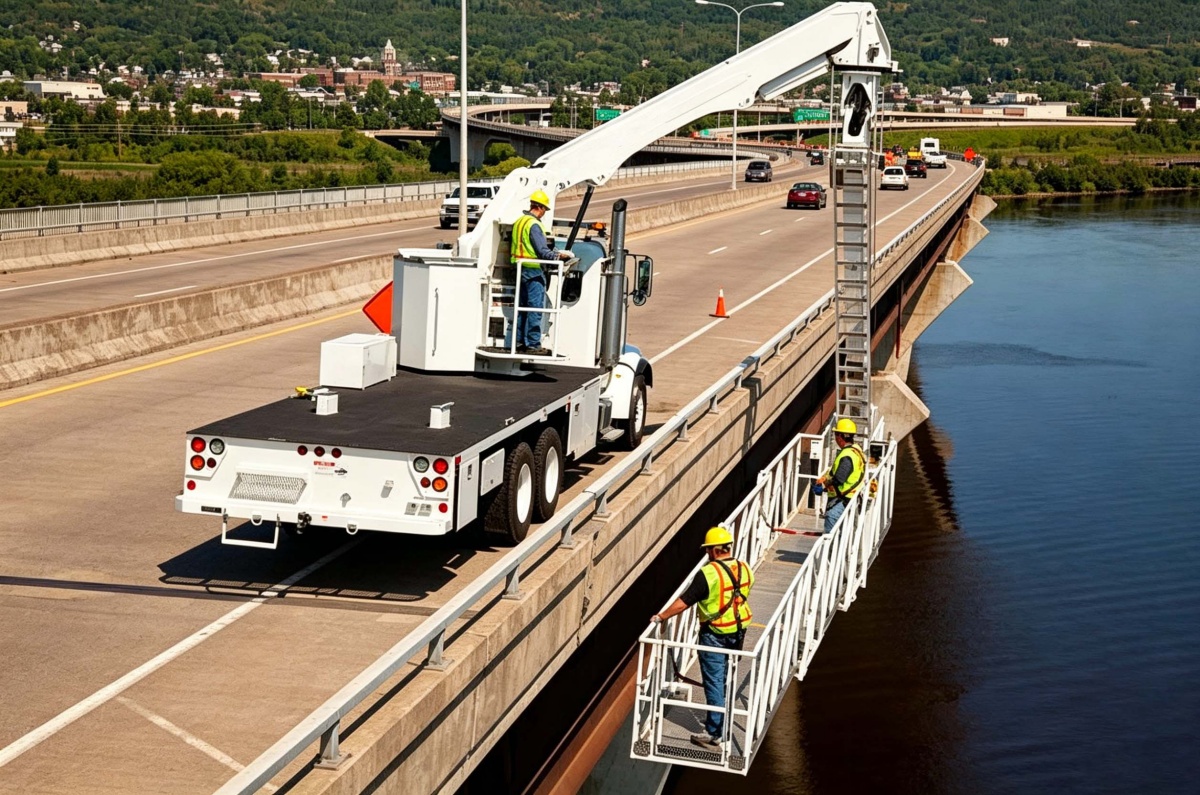
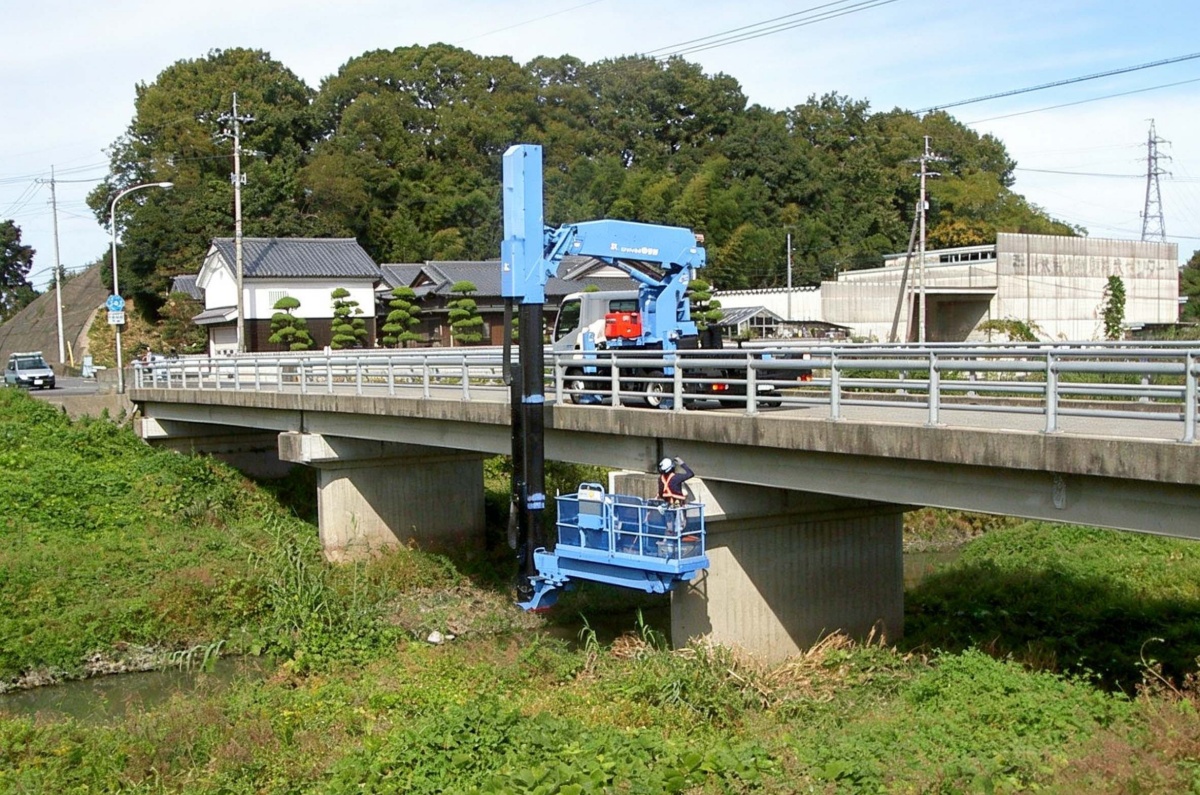
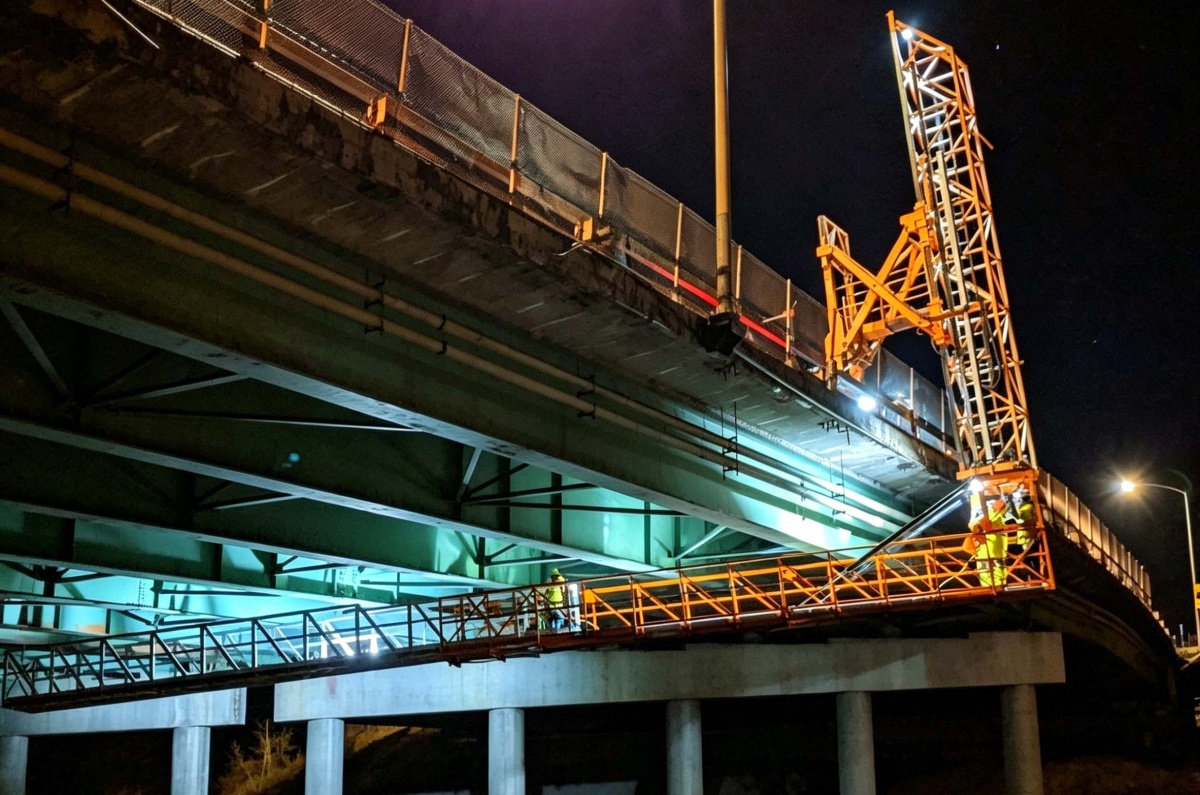
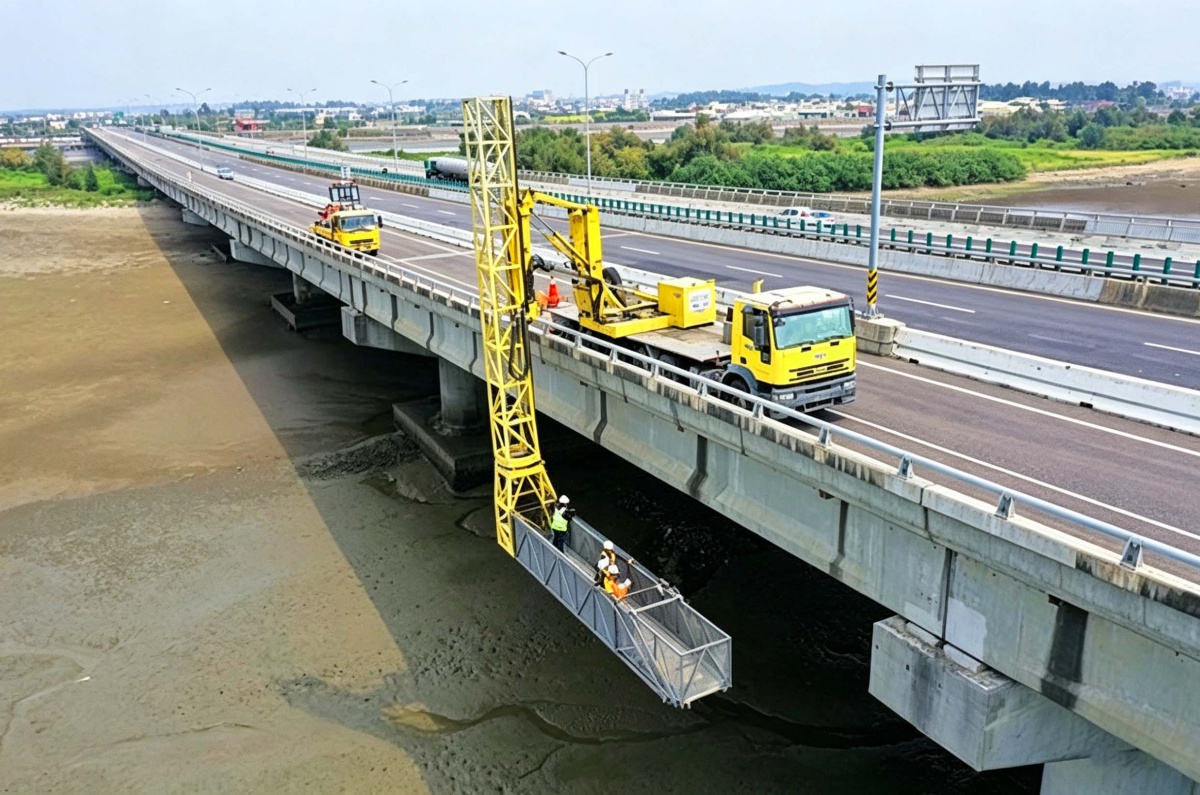
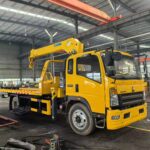
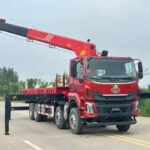
Bridge inspection, maintenance, and construction projects require dependable access equipment that can operate safely under challenging outdoor conditions. One of the most important decisions when selecting a bridge platform is choosing between ahydraulic drive, anelectric drive, or ahybrid drive system. Each option offers unique advantages and limitations depending on the climate, terrain, workload, and environmental requirements.
In this article, we compareHydraulic vs. Electric Drive forBridge Platformsand examine which solution delivers the best reliability in outdoor applications.
Why Drive Systems Matter for Bridge Platforms
Bridge platformsoften operate in demanding environments, including coastal regions, mountain areas, highways, and urban infrastructure projects. These locations expose equipment to rain, wind, dust, temperature fluctuations, and uneven surfaces.
The drive system directly affects:
Equipment reliability
Lifting performance
Operating efficiency
Maintenance requirements
Environmental impact
Long-term operating costs
Choosing the right drive technology can significantly improve project productivity while reducing downtime.
Hydraulic Drive: Built for Heavy-Duty Outdoor Work
Ahydraulic drive bridge platformuses pressurized hydraulic fluid to generate movement and lifting power. This technology has been widely used in heavy construction equipment for decades because of its exceptional strength and durability.
Advantages of Hydraulic Drive Systems
1. Superior Power and Load Capacity
Hydraulic systems provide high torque and powerful lifting capability, making them ideal for large bridge maintenance projects. They can easily handle heavy tools, materials, and multiple workers on the platform.
2. Excellent Performance on Rough Terrain
Outdoor bridge sites frequently involve uneven ground, slopes, or temporary access roads. Hydraulic drive systems maintain strong performance under these challenging conditions.
3. Reliable in Harsh Weather
Hydraulic-powered platforms generally perform well in windy, wet, and rugged environments. They remain a preferred choice for infrastructure contractors working in remote locations.
Limitations of Hydraulic Drive Systems
Despite their strengths, hydraulic systems require more maintenance. Components such as hoses, seals, Valves, and pumps must be inspected regularly to prevent leaks and pressure loss.
Me ikuri, hydraulic systems may generate more noise and consume more energy than electric alternatives, making them less suitable for environmentally sensitive areas.
Electric Drive: Efficient and Environmentally Friendly
Anelectric drive bridge platformuses electric motors and battery systems to provide movement and lifting functions. Advances in battery technology have significantly improved the performance of electric platforms in recent years.
Advantages of Electric Drive Systems
1. Quiet Operation
One of the biggest benefits of electric platforms is their low noise level. This makes them highly suitable for bridge maintenance projects in urban areas, residential neighborhoods, and nighttime operations.
2. Lower Environmental Impact
Electric drive systems produce zero on-site emissions, helping contractors meet increasingly strict environmental regulations and sustainability goals.
3. Reduced Maintenance Requirements
Electric motors contain fewer moving parts than hydraulic systems. As a result, maintenance schedules are often simpler, reducing service costs and minimizing downtime.
Limitations of Electric Drive Systems
Battery performance can be affected by extreme temperatures. In very cold environments, operating time may decrease, while high temperatures can accelerate battery wear.
Electric platforms may also have lower load capacities compared to heavy-duty hydraulic models, depending on equipment design.
Performance in Different Outdoor Environments
Cold Climates
In regions with freezing winters, hydraulic systems may experience changes in fluid viscosity, while electric systems can face battery efficiency challenges. Proper maintenance and temperature management are essential for both technologies.
For extremely heavy-duty work in cold regions, hydraulic platforms often maintain a performance advantage.
Hot and Dry Conditions
Electric systems generally perform efficiently in warm environments, provided batteries are protected from overheating. Hydraulic systems remain reliable but may require additional monitoring of fluid temperatures.
Coastal and Humid Areas
Salt exposure and humidity can affect both hydraulic and electric components. Corrosion protection, regular inspections, and proper sealing are critical regardless of drive type.
Urban Infrastructure Projects
Electric drive platforms are particularly attractive for city projects where noise restrictions and environmental concerns are important. Their quiet operation allows maintenance work during nighttime hours with minimal disruption.
Hybrid Drive: Combining the Best of Both Worlds
As technology advances, many manufacturers now offerhybrid drive bridge platformsthat combine hydraulic power with electric propulsion.
Hybrid systems provide:
Strong lifting performance
Improved energy efficiency
Lower emissions
Reduced fuel consumption
Greater operational flexibility
For contractors working across multiple environments, a hybrid solution can offer an excellent balance between power and sustainability.
Which Drive System Is More Reliable Outdoors?
The answer depends largely on the application.
If your projects involve heavy loads, rugged terrain, and remote outdoor locations, ahydraulic drive bridge platformremains one of the most reliable options due to its power and proven durability.
If you primarily work in urban environments, require low-noise operation, and prioritize environmental performance, anelectric drive bridge platformcan provide excellent reliability with lower maintenance requirements.
For companies seeking maximum versatility, hybrid drive systemsoffer a practical middle ground, combining the strength of hydraulic technology with the efficiency of electric power.
Kena itinitini
When evaluatingHydraulic vs. Electric Drive for Bridge Platforms, there is no universal winner. Hydraulic systems excel in demanding outdoor environments and heavy-duty applications, while electric systems shine in environmentally sensitive and urban settings. Hybrid platforms are increasingly becoming the preferred choice for contractors who need both performance and sustainability.
By carefully assessing climate conditions, terrain challenges, load requirements, and project locations, operators can select the most reliable bridge platform drive system for long-term success.