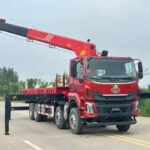
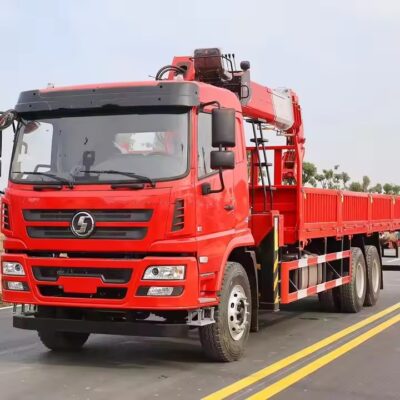
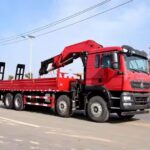
Tso cai rau cab truckare essential assets in vehicle recovery and heavy-duty towing operations. Designed to handle complex recoveries and transport large vehicles, these machines operate under intense mechanical stress and demanding conditions.
To ensuresafety, reliability, and long-term performance, a structured maintenance routine is critical.
Why Maintenance Matters
Unlike standard trucks, wrecker truckscombinehydraulic systems, lifting equipment, and towing mechanismsinto one unit. Any failure—whether mechanical or hydraulic—can lead to operational downtime, safety risks, and costly repairs.
Regular maintenance helps to:
Prevent unexpected breakdowns
Extend equipment lifespan
Ensure operator safety
Maintain optimal performance in critical recovery situations
Daily Inspection Checklist
Before each operation, operators should perform a quick but thorough inspection:
Visual checkfor leaks, cracks, or loose components
These simple checks can prevent major issues during operation.
Hydraulic System Maintenance
The hydraulic system is the core of a wrecker truck’s functionality.
Key Practices:
Regularlycheck hydraulic oil levels and quality
Replace filters according to manufacturer guidelines
Inspect cylinders for leaks or seal wear
Ensure smooth operation of booms and wheel-lift systems
Contaminated or degraded hydraulic oil can significantly reduce system efficiency and cause component damage.
Winch and Cable Care
Winches handle extreme loads and require special attention.
Lubricate cables regularly to prevent corrosion
Replace damaged or worn cables immediately
Check drum alignment and tension
Test winch operation under light load conditions
Proper maintenance ensures reliable pulling power during recovery operations
Chassis thiab kev ntseeg ruaj khov
Wrecker trucks experience high stress, especially during heavy recoveries.
Inspect theframe and subframefor cracks or deformation
Check the mounting points of towing equipment
Tighten bolts and fasteners regularly
Monitor suspension and axle condition
Structural integrity is critical for safe operation under load.
Electrical System Checks
Modern tow trucks rely on electrical systems for control and safety.
Test control panels and remote systems
Inspect wiring for damage or corrosion
Ensure the battery condition and charging system are functioning properly
Reliable electrical systems ensure precise and safe equipment operation.
Scheduled Preventive Maintenance
In addition to daily checks, follow a structured maintenance schedule:
Weekly:Detailed inspection of hydraulic and mechanical systems
Monthly:Lubrication of moving parts and system testing
Quarterly:Comprehensive inspection and component replacement if needed
Annually:Full servicing and performance evaluation
Adhering to a preventive maintenance plan reduces long-term costs and improves reliability.
Operator Training and Best Practices
Even the best-maintained equipment requires skilled operators.
Train operators on proper usage and load limits
Encourage reporting of unusual noises or performance issues
Avoid overloading or improper towing techniques
Proper operation significantly reduces wear and extends equipment life.
Tag
Maintaining a wrecker truck is not just about keeping it running—it’s about ensuringsafety, efficiency, and reliability in high-pressure situations.
By implementing regular inspections, maintaining key systems, and following a preventive maintenance schedule, operators and fleet managers can maximize performance and minimize risks.
A well-maintained wrecker truck is not only a dependable asset—but also a critical factor in successful recovery operations.