Although both types are designed for aerial work, their applications are completely different. The key difference is whether the vehicle needs to operate near live electrical systems.
For power utilities, electrical maintenance, and high-voltage operations, insulation is not an optional feature — it is a critical safety requirement. For general applications such as construction, landscaping, and municipal maintenance, a non-insulated model is often the more practical and cost-effective choice.
Understanding the difference helps companies select the right equipment, improve operator safety, and avoid unnecessary investment.
Insulated Bucket Trucks — Designed for Electrical Safety
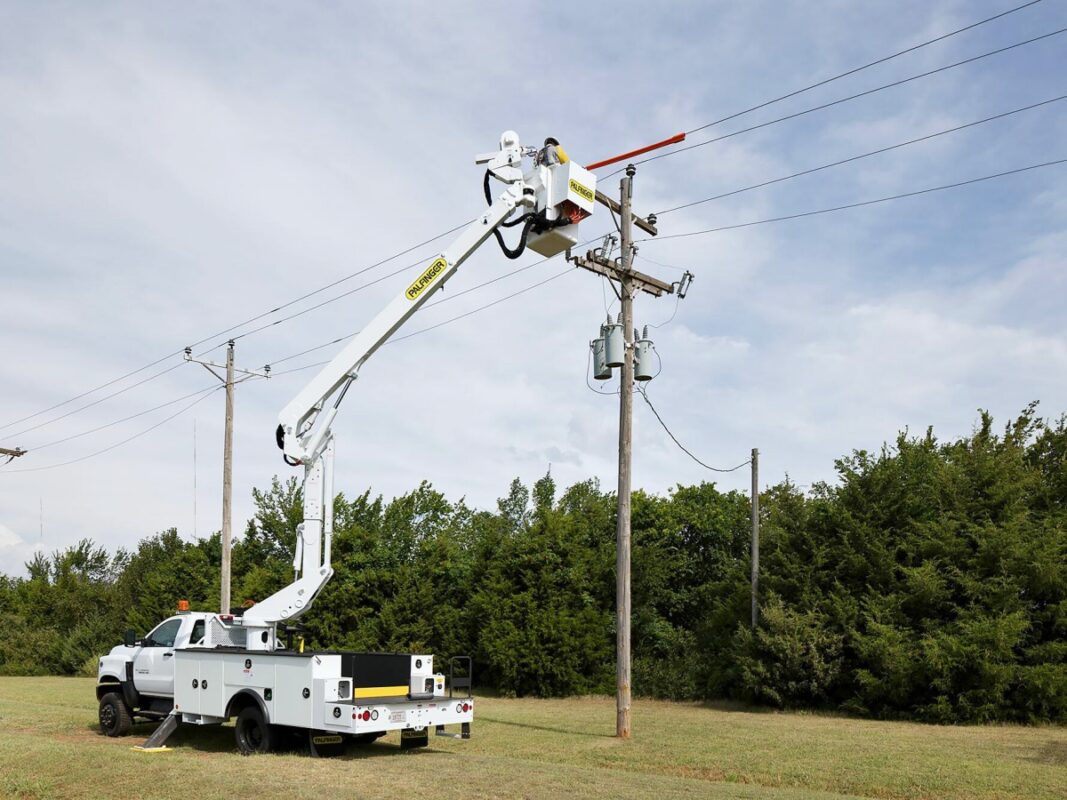
An insulated bucket truck is specifically designed for working near energized power lines and electrical infrastructure.
The main purpose of insulation is to create a protective barrier between the operator and electrical current. This allows trained workers to perform maintenance tasks in areas where electrical hazards exist.
The key insulated components usually include:
FRP fiberglass boom
Insulated aerial platform (bucket)
Non-conductive boom sections
Electrical insulation protection systems
The use of FRP (fiberglass reinforced plastic) materials helps reduce the risk of electrical conduction through the boom and work platform.
Common applications include:
Power line maintenance
Electrical grid repair
Transformer installation
Substation maintenance
Utility pole inspection
Telecommunication work near power infrastructure
For electric utilities and energy companies, an insulated aerial lift truck is considered essential equipment because workers often need to operate close to high-voltage systems.
Why Does Insulation Matter?
Electricity can travel through conductive materials, including metal equipment, tools, and vehicle structures. When an aerial platform approaches an energized line, even accidental contact or insufficient clearance can create serious safety risks.
An insulated boom truck helps reduce these risks by providing an additional layer of protection between:
Power Source → Equipment → Operator
However, insulation does not replace proper safety procedures. Operators must still follow required working distances, protective equipment standards, and electrical safety regulations.
Non-Insulated Bucket Trucks — The Right Choice for General Aerial Work
A non-insulated bucket truck is designed for applications where there is no risk of contact with energized electrical equipment.
These trucks focus on providing reliable height access, working flexibility, and efficient operation rather than electrical protection.
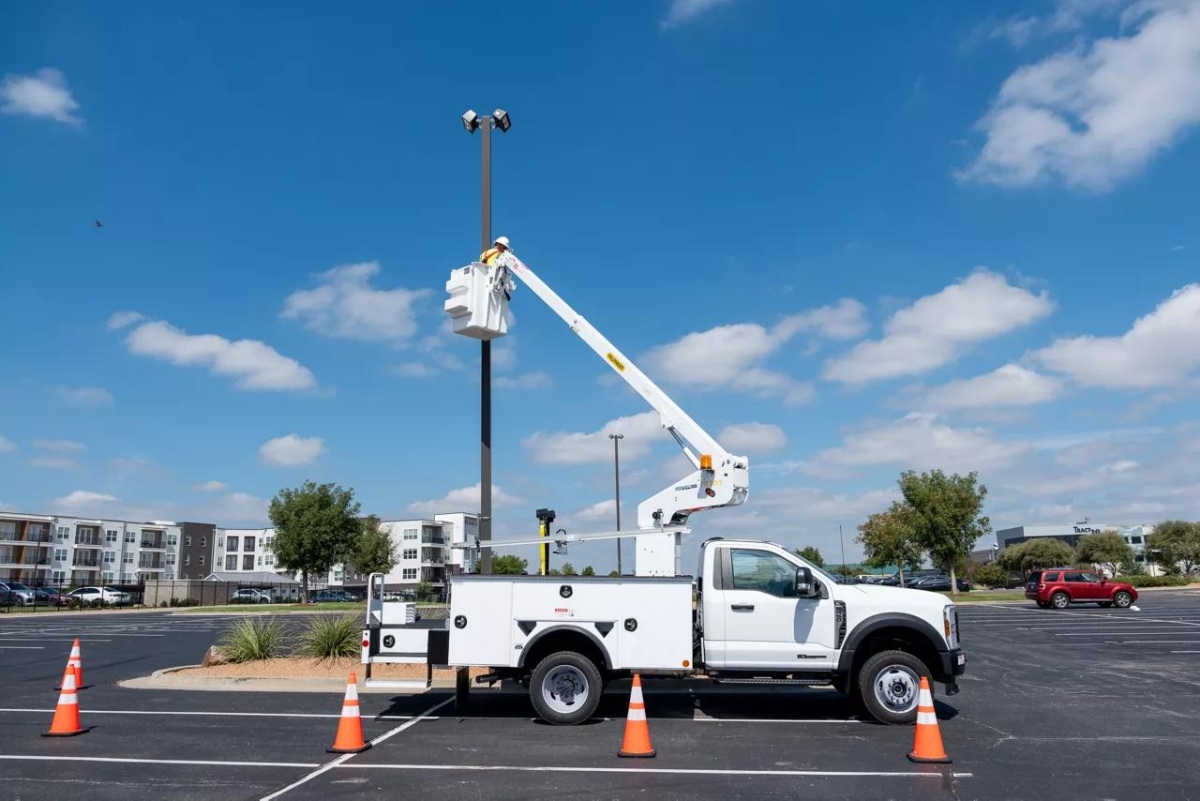
Typical applications include:
Construction maintenance
Building inspection
Street light installation
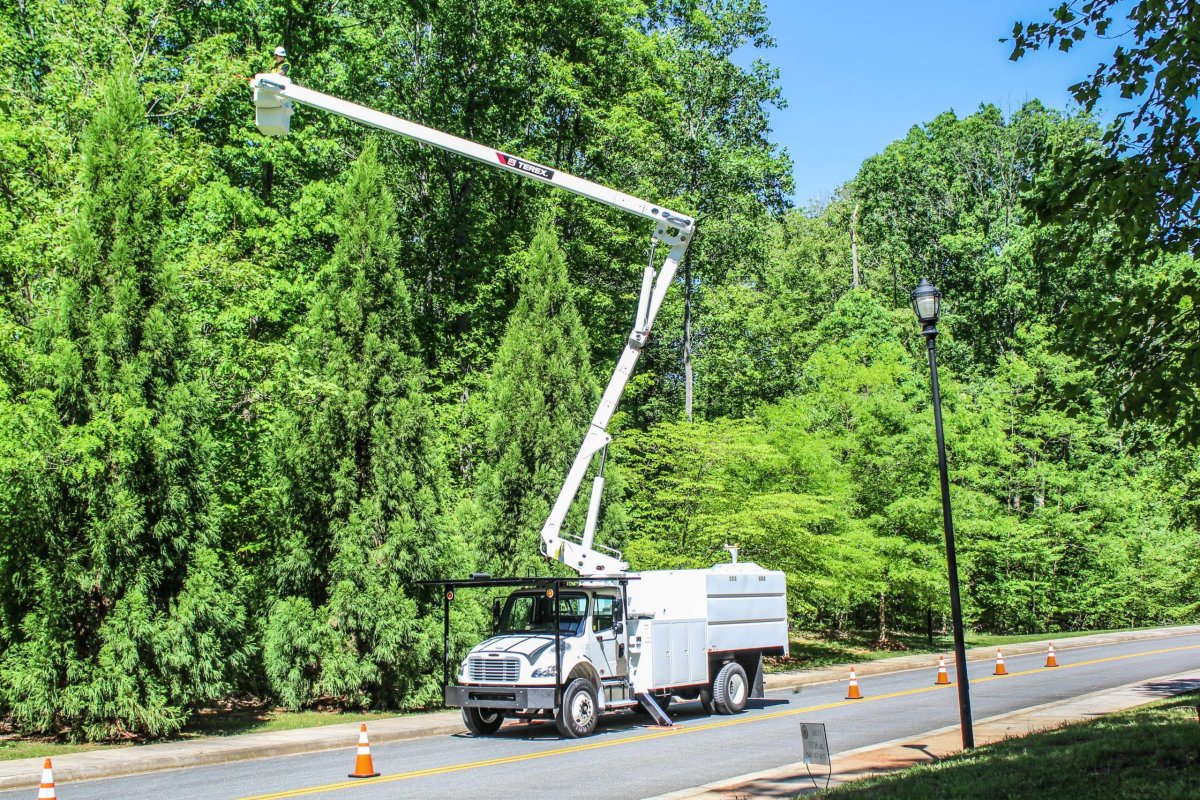
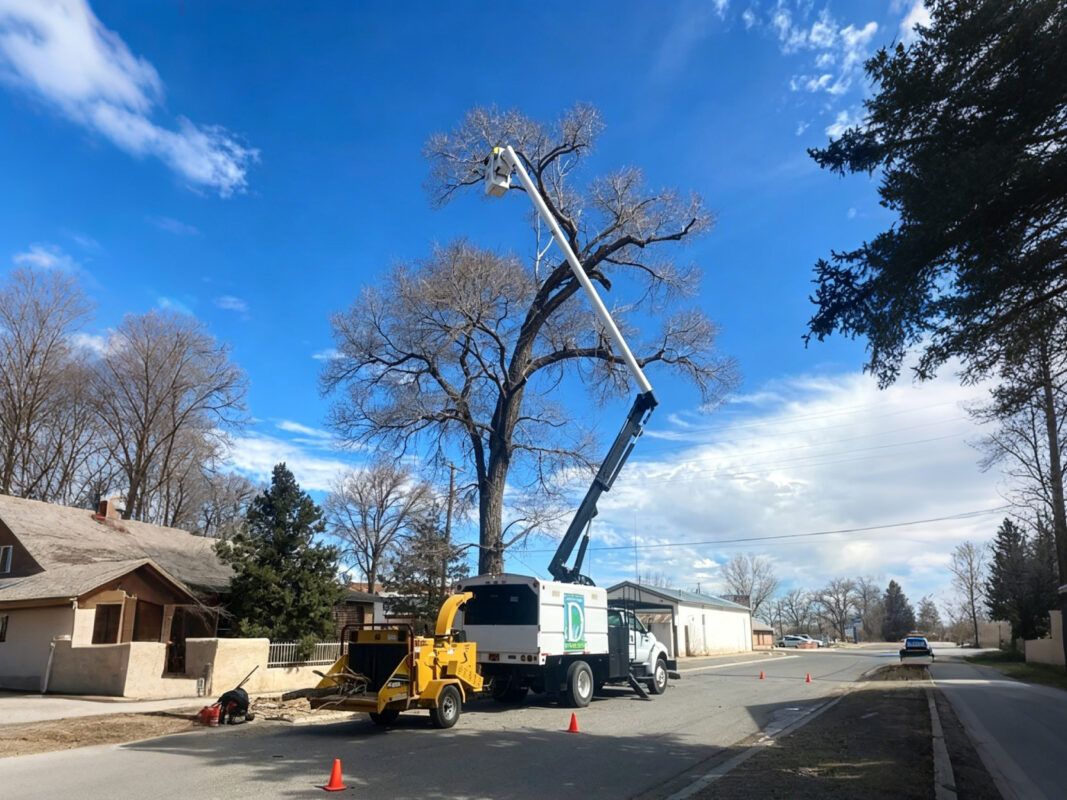
Tree trimming
Landscape maintenance
Municipal services
Sign installation
For these tasks, a non-insulated model provides excellent performance at a lower purchase and maintenance cost.
If the job does not involve electrical hazards, choosing an insulated model may add unnecessary expense without providing additional operational benefits.
Insulated vs. Non-Insulated Bucket Trucks: Key Differences
Feature
Insulated Bucket Truck
Non-Insulated Bucket Truck
Main Purpose
Electrical safety operations
General aerial work
Electrical Protection
Yes
No
Boom Material
FRP / fiberglass insulated sections
Steel or standard materials
Working Near Power Lines
Suitable (with proper procedures)
Not recommended
Typical Users
Power companies, utility contractors
Construction, landscaping, municipalities
Cost
Higher
Lower
Maintenance Requirement
More specialized
Simpler maintenance
How to Choose the Right Bucket Truck?
Before purchasing, ask one key question:
Will the truck operate near energized electrical equipment?
Choose an Insulated Bucket Truck if you need to work on:
✔ Power distribution lines
✔ High-voltage equipment
✔ Electrical infrastructure
✔ Utility maintenance projects
The added insulation provides essential protection for operators working in electrical environments.
Choose a Non-Insulated Bucket Truck if you mainly perform:
✔ Tree trimming
✔ Construction maintenance
✔ Lighting installation
✔ Building services
✔ General municipal work
It delivers the required height access without the additional cost of electrical protection features.
Avoid the Wrong Purchase Decision
Many buyers focus only on:
Working height
Payload capacity
Boom reach
However, the most important factor is the working environment.
A bucket truck is not simply an access machine — it is a specialized tool designed for specific job conditions.
Choosing between an insulated aerial lift truck and a non-insulated aerial work platform depends on whether electrical hazards are part of the operation.
The correct choice improves:
Operator safety
Work efficiency
Equipment reliability
Long-term operating cost
Final Conclusion
The difference between insulated and non-insulated bucket trucks comes down to one factor: electrical exposure.
For utility companies working around live power systems, an insulated bucket truck is the professional choice.
For construction, landscaping, and municipal applications without electrical hazards, a non-insulated bucket truck provides a practical and economical solution.
Choosing the right equipment ensures safer operations and better performance for every aerial work project.