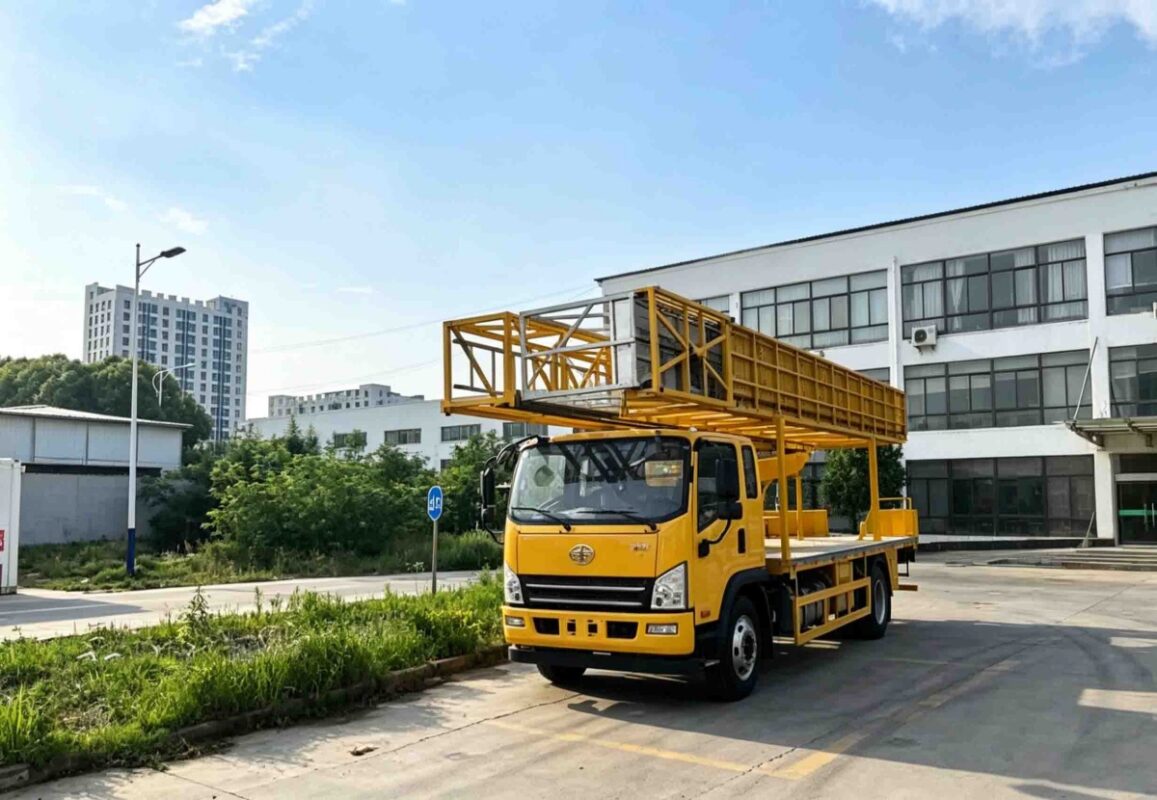
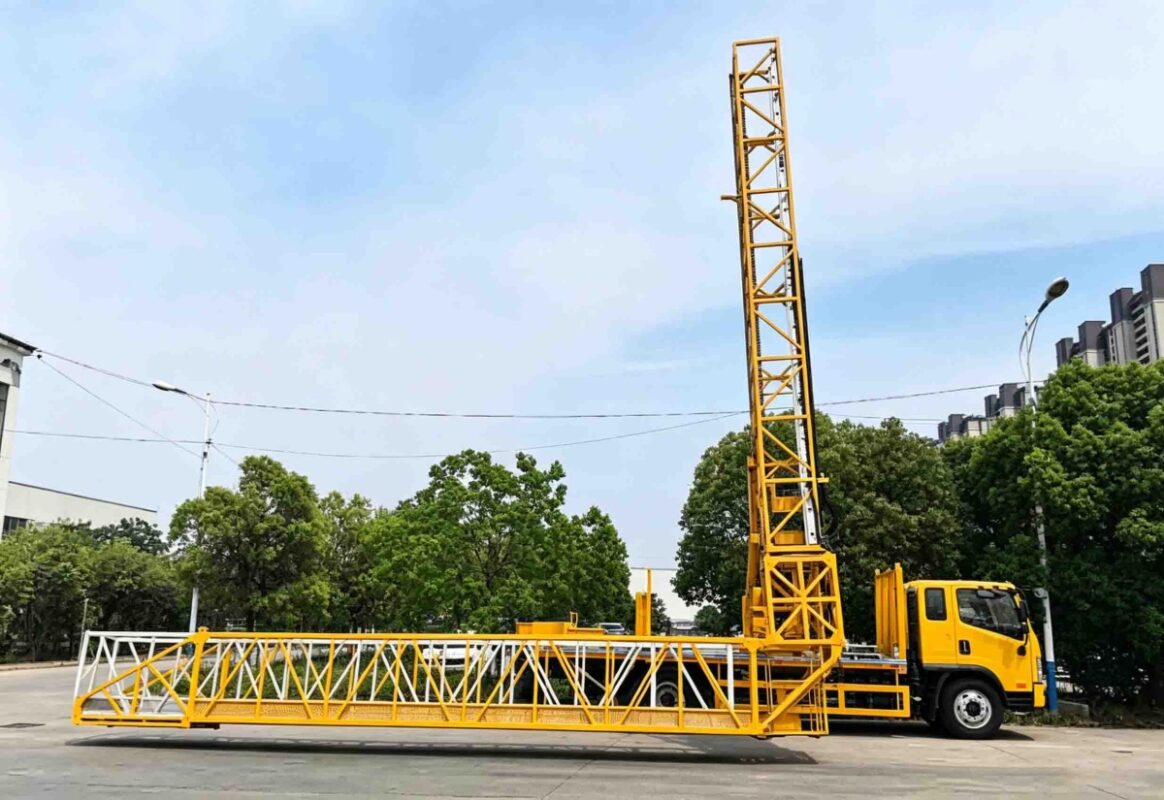
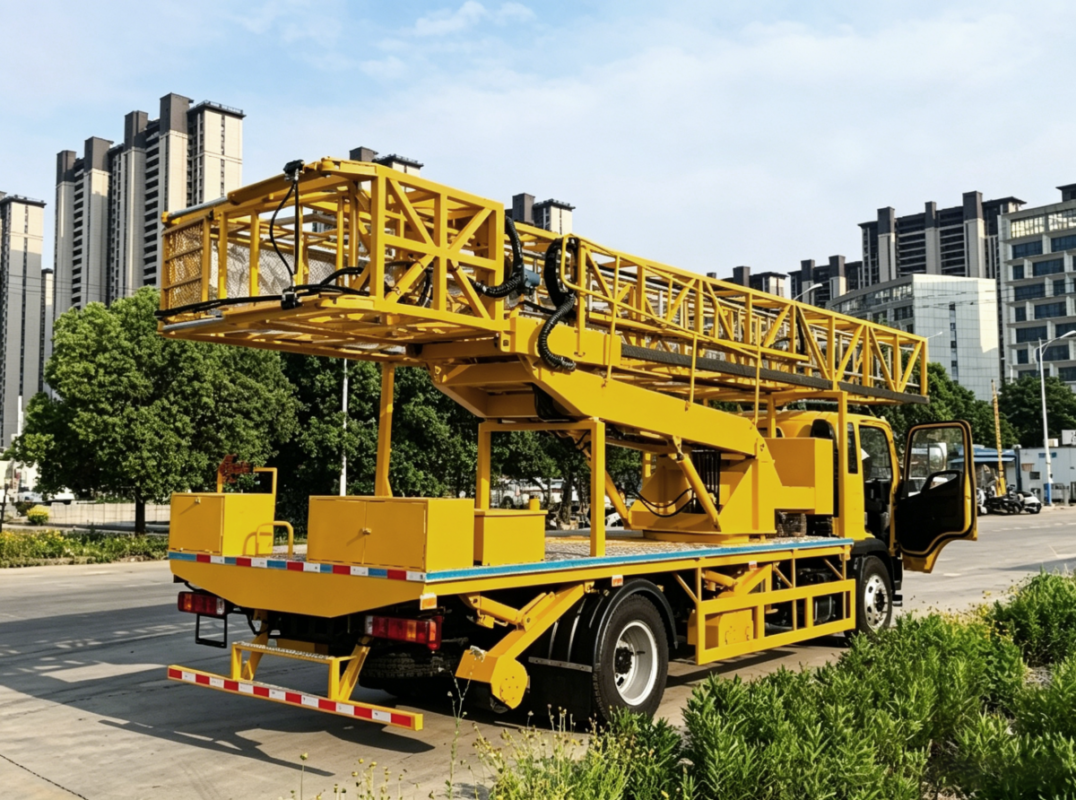
Mapulatifomu oyendera mlathoare specialized engineering systems designed to provide safe, khola, and efficient access to hard-to-reach areas ofbridge structures. These includebridge undersides, piers, bearings, joints, beams, ndi cable systems. As moderntransportation networksrely heavily on bridges, maintaining theirstructural integrityis essential forpublic safety, economic stability, and long-terminfrastructure sustainability.
Compared with traditional inspection methods such asscaffolding, rope access, or temporary suspended structures, bridge inspection platforms significantly improvechitetezo, kuchita bwino, ndi inspection quality. They are now widely used bytransportation agencies ndi civil engineering teamsaround the world as a standard tool forbridge maintenance ndi assessment.
1. Improved safety in high-risk environments
One of the most important advantages of bridge inspection platforms is the significant reduction inworker risk. Traditional inspection methods often require workers to operate atheight, overwater, or intraffic-heavy environments. These conditions increase the likelihood of accidents such asfalls, equipment failure, or exposure-related injuries.
Modern bridge inspection platforms—such asunder-bridge inspection trucks, hydraulic access platforms, ndi movable gantries—provide a controlled working environment where inspectors can:
Stand on a stable, securednsanja
Be protected byguardrailsand safety systems
Avoidrope climbingor unstable scaffolding
Precisely control positioning usinghydraulic systems
By minimizing direct exposure tohazardous conditions, these platforms greatly reduceworkplace injury ratesand improve overalloperational safety.
2. More complete and accurate structural inspections
Bridge safety depends on identifying early signs ofkuwonongeka, monga dzimbiri, cracking, fatigue damage, kapena joint displacement. These issues often occur in areas that are difficult to observe from a distance.
Bridge inspection platforms allow engineers to physically reach these critical zones and perform detailed evaluations. This enables:
Close-up inspection ofwelds, joints, ndi bearings
Direct observation ofconcrete cracks kapena steel corrosion
Assessment ofdrainage systems ndi moisture-related damage
Repeated inspection of the same structural points for comparison
Compared todrone imageryor distant visual inspection, physical access provides higheraccuracyand allows inspectors to performtactile testing ndi instrument-based testing, improvingdiagnostic reliability.
3. Reduced traffic disruption and improved public safety
Bridgesare often keytransportation corridors, and full closures for inspection can lead tocongestion, delays, and increasedaccident risks. Modern bridge inspection platforms are designed to minimize disruption by allowing partial or non-intrusive operation.
They can:
Operate from a singlelane kapena shoulder
Conduct inspections without fully closing thebridge
Reduce setup and teardown time compared toscaffolding
Allow work duringoff-peak hoursor at night
This not only improveskuchita bwinobut also enhancespublic safetyby reducingtraffic congestion-related hazardsand minimizing exposure of workers and drivers toconstruction zones.
4. Higher inspection efficiency and frequency
Regular inspections are essential for early detection ofstructural problems. Komabe, traditional methods can be time-consuming and resource-intensive, limiting how often inspections can be performed.
Covering large inspection areas in a single operation
Reducing the need for extensive setup work
Loweringlabor costs ndi equipment costs
Zotsatira zake, transportation agencies can conduct inspections more frequently. This leads to earlier detection of minor defects before they develop into seriousstructural risks, ultimately reducing long-termndalama zosamalira.
5. Integration with advanced inspection technologies
Modern bridge inspection platforms are often equipped with advanceddiagnostic toolsthat enhance their effectiveness. These may include:
High-resolutionmakamerafor detailed imaging
Ultrasonic testingequipment for internal defect detection
Infrared thermographyfor identifying hidden moisture or delamination
Laser scanning ndi 3D modelingsystems for structural mapping
Drone integrationfor broader aerial assessments
By combining physical access with digital inspection technologies, engineers can build a comprehensive understanding ofbridge health, enablingpredictive maintenance strategiesrather than reactive repairs.
6. Support for regulatory compliance and standardized maintenance
Bridge infrastructure is subject to strictsafety regulationsand inspection schedules in most countries. Inspection platforms help agencies comply with these requirements by providing:
Standardized inspection procedures
Consistent documentation ofstructural conditions
Repeatable positioning for long-term monitoring
Reliabledata collectionfor audits and reporting
This ensures that bridges meetsafety standardswhile reducing the risk of human error or incomplete inspections.
Mapeto
Bridge inspection platforms play a crucial role in moderninfrastructure managementby combiningchitetezo, kuchita bwino, and technological capability. They allow engineers to inspect complexstructural environmentsmore safely, more frequently, and with greater accuracy.
Ultimately, these systems help achieve a fundamental goal of civil engineering maintenance: detect problems early, prevent structural failure, extend bridge lifespan, and ensure the safety of the traveling public.
If you are working inbridge maintenance, civil engineering, kapena infrastructure inspection, wodalirika nsanja yoyendera mlathois essential for improvingchitetezo, kuchita bwino, ndi structural assessment accuracy.