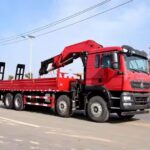
For towing operators, a flatbed wreckeris more than just a truck — it is a heavy-duty recovery machine responsible for transporting damaged vehicles safely under demanding road conditions. But before starting the engine each morning, experienced operators know that a proper inspection routine can prevent costly breakdowns, equipment failure, and serious roadside accidents.
Skipping even one inspection item on adaily flatbed wrecker checklistcan lead to hydraulic damage, load loss, winch failure, or dangerous highway incidents.
Here are the7 critical inspection stepsevery operator should complete before turning the key.
1. Check Hydraulic Oil Level and Color
The hydraulic system powers the entireflatbedavtovlekaoperation, including bed tilting, sliding, and winch functions.
Operators should inspect:
Hydraulic oil level
Oil color and clarity
Signs of contamination
Leaks around hoses and cylinders
A healthy hydraulic fluid should appear clean and transparent. If the oil looks milky white, it usually indicates water contamination inside the hydraulic system.
What Happens If You Ignore It?
Water-contaminated hydraulic oil can cause:
Hydraulic pump failure
Internal corrosion
Reduced lifting power
Sudden bed malfunction
Expensive system replacement
V hujših primerih, the flatbed may suddenly lose hydraulic pressure while loading a vehicle.
2. Inspect Wire Rope Wear and Broken Strands
The winch wire ropehandles an enormous pulling force during vehicle recovery operations.
A proper inspection should check for:
Broken strands
Kinks and flattening
Rust and corrosion
Uneven wear
Industry safety standards generally require wire rope replacement if more than six broken wires appear within one rope lay length.
What Happens If You Ignore It?
A damagedtow truck winch cablecan snap under tension, causing:
Vehicle drop accidents
Severe operator injury
Damage to recovered vehicles
Dangerous cable whip incidents
Wire rope failure is one of the most serious hazards in towing operations.
3. Verify Winch Clutch Engagement
The winch clutch systemmust engage and disengage smoothly before recovery work begins.
Operators should confirm:
Proper clutch locking
Smooth gear engagement
No slipping during operation
Normal winch response
What Happens If You Ignore It?
A faulty clutch may suddenly disengage during towing operations, ki vodi do:
Uncontrolled vehicle rollback
Load shifting accidents
Winch overheating
Recovery operation failure
A slipping clutch can become extremely dangerous on slopes or highways.
4. Inspect Flatbed Weld Cracks
The flatbed structure experiences continuous stress from heavy loading and transportation.
Check carefully for:
Cracks near weld seams
Rust around structural joints
Bent support sections
Metal fatigue signs
Critical inspection areas include:
Rear loading edge
Bed pivot points
Winch mounting area
Side rail supports
What Happens If You Ignore It?
Undetected structural cracks can result in:
Bed collapse under load
Vehicle sliding accidents
Structural separation
Major highway safety incidents
Even a small weld crack can rapidly expand under repeated stress.
5. Listen for Abnormal Slide Rail Noise
The sliding rail system allows theflatbed wreckerto tilt and extend smoothly during vehicle loading.
Operators should listen for:
Grinding sounds
Metal scraping
Sudden vibration
Uneven movement
These noises may indicate:
Rail misalignment
Bearing wear
Lack of lubrication
Debris inside tracks
What Happens If You Ignore It?
Slide rail failure can lead to:
Bed jamming during loading
Sudden platform misalignment
Hydraulic overload
Expensive rail replacement
A seized slide rail may completely disable towing operations.
6. Check Tie-Down Strap Wear
Damagedvehicle tie-down strapsare a major cause of transport accidents.
Inspect for:
Frayed edges
Cuts and tears
Burn marks
Broken hooks
Weak stitching
What Happens If You Ignore It?
A failed tie-down strap can cause:
Vehicle movement during transport
Load shift accidents
Highway cargo violations
Secondary collision damage
Loose vehicles on flatbeds create serious risks for both operators and surrounding traffic.
7. Test Warning Lights and Lighting Systems
Proper visibility is critical for everytow truck operation, especially during night recovery or roadside emergencies.
Check all:
Warning beacons
Emergency flashers
Work lights
Brake lights
Turn signals
Side marker lights
What Happens If You Ignore It?
Lighting failure may result in:
Roadside collision risks
Reduced night visibility
Traffic safety violations
Increased operator danger
Tow trucks frequently operate in high-risk roadside environments where visibility can save lives.
Why Daily Inspections Matter
A professionalflatbed wrecker inspection routineimproves:
Equipment reliability
Roadside safety
Operator confidence
Fleet uptime
Long-term maintenance costs
Most serious towing accidents begin with small problems that were ignored during routine inspections.
Taking 10–15 minutes every morning can prevent catastrophic mechanical failure later in the day.
Final Thoughts
For every towing professional, a properdaily inspection checklist for flatbed wreckersis not optional — it is a critical safety procedure.
From hydraulic oil condition and wire rope wear to weld cracks and lighting systems, each inspection step helps prevent dangerous failures, costly downtime, and roadside accidents.
A safer truck means safer recoveries, more reliable operations, and better long-term fleet performance.