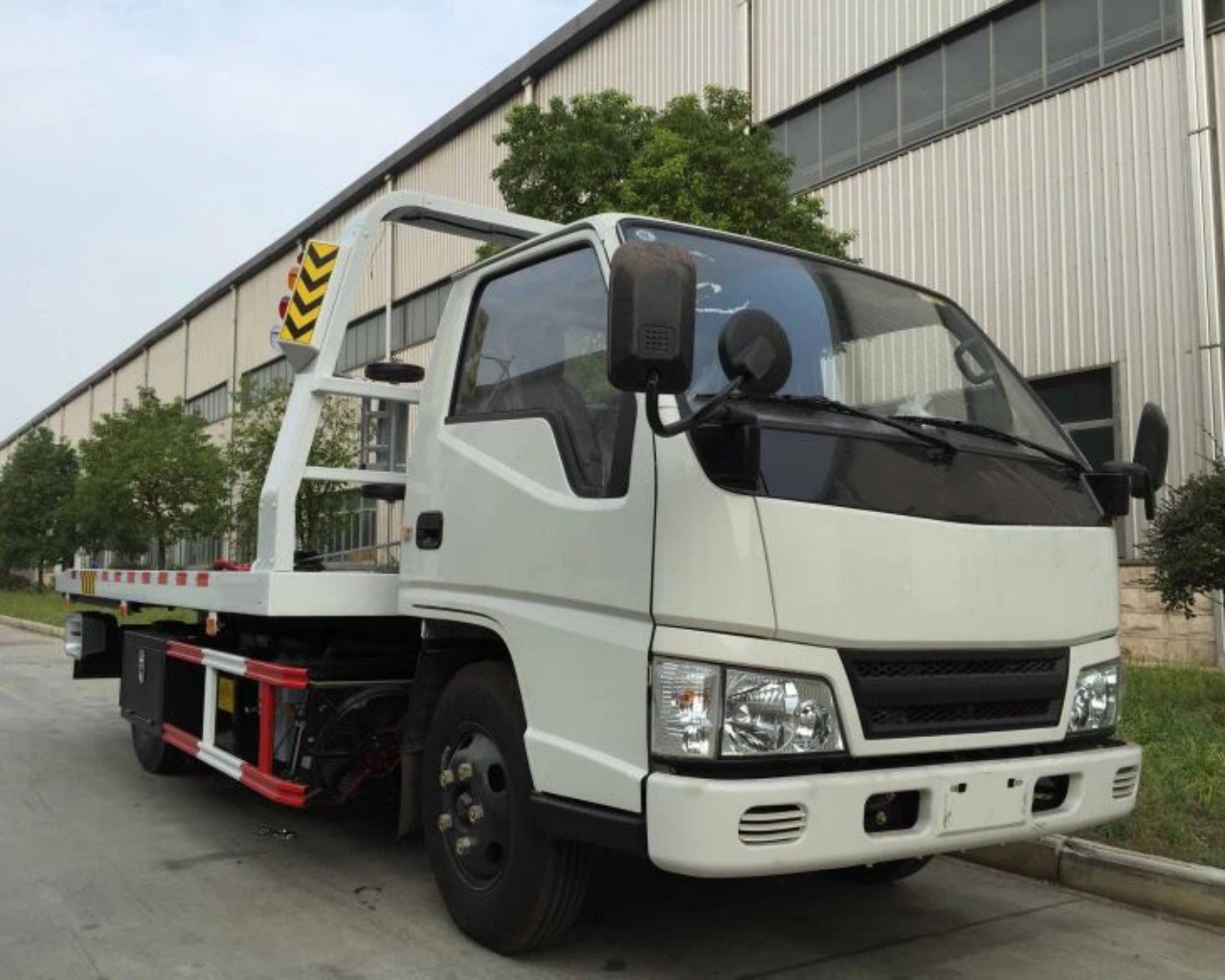
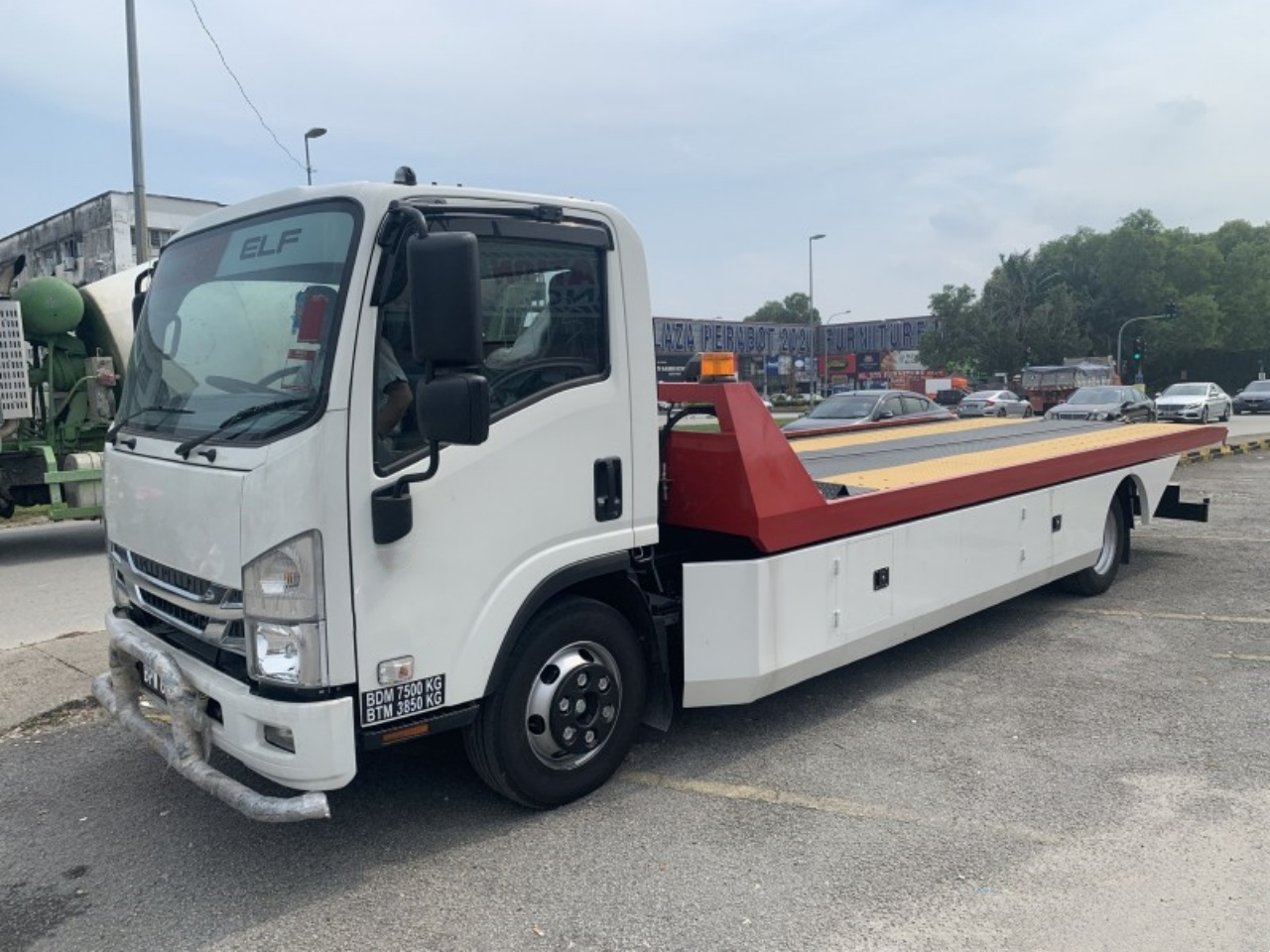
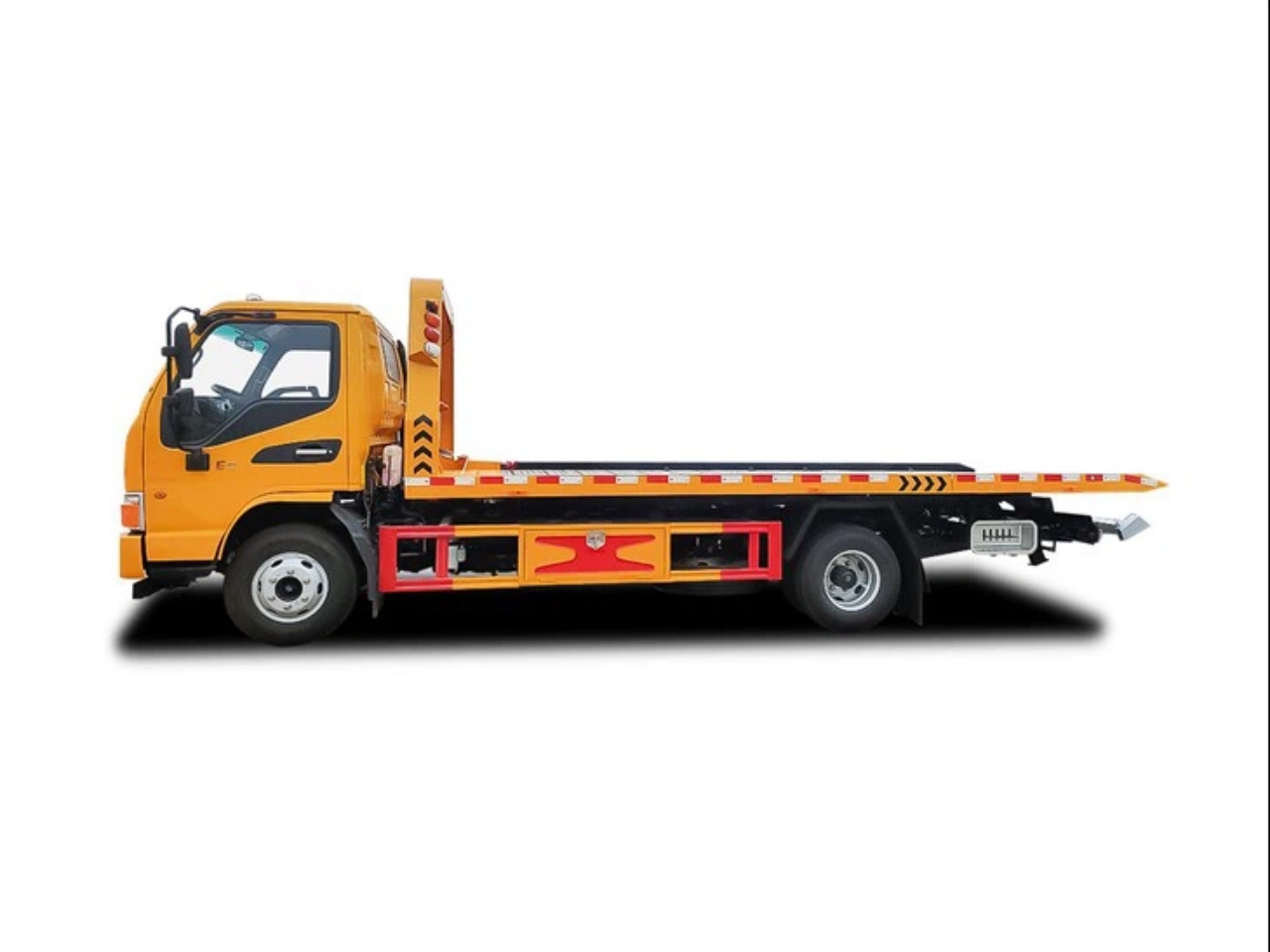
Towinghas come a long way since its inception, evolving from arudimentary mechanical processto atechnologically advanced industrythat plays a vital role inmodern society. Leo, lorioperations are no longer confined to hook and tow; they have embraced an array oftechnological advancements that enhance efficiency, usalama, and customer service. This transformation is not only revolutionizing the way loris operate but also contributing to the well-being of motorists and the environment. Katika nakala hii, we’ll explore the significant role of technology inmodern tow truck operations.
The Evolution of Tow Truck Technology
Tow trucks have been an essential part ofroad recoveryfor over a century. Their primary purpose has always been to assist stranded vehicles, ensuring the efficientflow of trafficand thesafety of drivers. Walakini, as society advances and technology becomes increasingly integrated into our lives, tow truck operations have evolved to keep up with the times.
In the early days of towing, the process was oftenlabor-intensiveand relied heavily onmanual labor na sheer physical strength. Tow trucks were simple and lacked the advanced features we take for granted today. Today’sloris, kwa upande mwingine, are equipped with cutting-edge technology that enables them to perform a wide range of functions more efficiently and safely than ever before.
GPS and Navigation Systems
One of the most significanttechnological advancements in theViwanda vya loriis theintegration of GPS and navigation systems. GPS technologyallowsTow Operesheni ya Loris to pinpoint the exact location of a stranded vehicle with precision. This not only saves time and fuel but also ensures a faster response to calls for assistance. Dispatchers can useGPS technologyto assign the nearestlorito a particular location, reducing wait times for distressed motorists.
Kwa kuongezea, these systems provideturn-by-turn navigation, making it easier for operators to reach the scene quickly and safely. This enhanced navigation ensures that loris avoid traffic congestionand take the most efficient route. Kama matokeo, Tow Operesheni ya Loris can provide faster and more reliable service to those in need.
Digital Dispatch and Communication
Another pivotaltechnological developmentin theViwanda vya loriis the use ofdigital dispatch na communication systems. These systems streamline the entire towing process, from the initial call forassistance to the safe deliveryof the stranded vehicle. When a call comes in, dispatchers can digitally assign it to the nearestlori, eliminating theneed formanual communication nareducing response times.
Digital dispatch systemsalso enablereal-time communicationbetween theTow Operesheni ya Lori, dispatcher, and the customer. This communication helps keep the customer informed about theestimated arrival timeand allows them to track the progress of thelori. It provides a level of transparency and convenience that was previously unavailable, enhancing theoverall customer experience.
Telematics and Vehicle Diagnostics
Modern tow trucks are often equipped withtelematics systems that allow forremote vehicle diagnostics. These systems can assess the condition of the stranded vehicle and provide valuable information to theTow Operesheni ya Lori. By knowing the vehicle’s make and model and any potential issues, operators can come prepared with theright equipment and knowledgeto handle the job efficiently.
Telematics also contributes to the safety oftow truck operations. It can alert operators to any potential hazards, such as an airbag deployment, which may indicate a recent collision. This information helpsTow Operesheni ya Loris approach each job with a heightened sense of awareness and safety.
Payment Processing and Customer Service
In the past, tow truck transactions were often conducted in cash, leading to potential disputes and safety concerns. Leo, technology has revolutionized payment processing in the Viwanda vya lori. ManyTow Operesheni ya Loris now accept credit card payments, allowing fora more secure and convenient transaction process. Kwa kuongeza, some operators offer online payment options for furthercustomer convenience.
These advancements not only improve theoverall customer experiencebut also enhance thesafety of tow truck operators. Withelectronic payment options, there is less cash on hand, reducing the risk of theft and potential confrontations during transactions.
Automated Vehicle Location (AVL) Systems
Automated Vehicle Location (AVL) systemshave become a critical component ofmodern tow truck operations. AVL systems use a combination ofGPS and cellular technologyto track the location of loris inreal time. This not onlyimproves efficiencybut alsoenhances safety.
AVL systemsallow dispatchers to monitor the location and status ofloris, ensuring that they are operating withinestablished safety guidelines. In case of an emergency or unforeseen situation, dispatchers can quickly locate the nearesttow truck and assist. This level of oversight not only protects the safety ofTow Operesheni ya Loris but also helpsmaintain the integrity of the towing industry.
Enhanced Towing Equipment
Technology has also had a profound impact on the equipment used by Tow Operesheni ya Loris. Modern tow trucks are equipped withadvanced featuressuch as hydraulic winches, self-loading mechanisms, and even remote control systems. These innovations improve the speed and efficiency of the towing process while minimizing the risk of damage to the stranded vehicle.
Kwa kuongeza, someloris are designed with safety features like crash cushions and attenuators, which protect both the operators and the vehicles they are towing. Haya safety enhancementsreduce the risk of accidents during the loading and transportation of stranded vehicles.
Telematics and Fleet Management
Telematics systems play a significant role infleet managementfortowing companies. These systems provide a wealth of data, including fuel consumption, vehicle speed, and maintenance information. This data helpstowing companiesoptimize their operations by improving fuel efficiency, reducing vehicle wear and tear, and ensuring that their fleet is in peak condition.
Fleet management systems also enabletowing companies kwa monitor driver behavior, ensuring that operators are adhering to safe driving practices. This not only enhances the safety oftow truck operations but alsoreduces operational costs associated with accidents and vehicle maintenance.
The Environmental Impact
Modern tow truck technologynot only benefits theefficiency and safety of the industrybut also has a positiveimpact on the environment. Advanced GPS and navigation systemshelpTow Operesheni ya Loris plan their routes more efficiently, reducing fuel consumption and emissions. Telematics systems enable better monitoring of fuel efficiency, helping companies identify areas where improvements can be made.
Kwa kuongeza, someTow Operesheni ya Loris are embracing alternative fuel sources, such as propane and natural gas, to reduce their carbon footprint. Electric tow trucks are also emerging, offering a sustainable option for the future of the industry. These eco-friendly choices not only reduce the environmental impact but also positiontowing companiesasresponsible stewardsof the environment.
Hitimisho
The role of technology inmodern tow truck operations cannot be understated. FromGPS and navigation systemsto digital dispatch, telematics, and advanced towing equipment, technology has revolutionized the industry, making it more efficient, safe, and customer-focused. Hayatechnological advancements not only benefit theViwanda vya Kuwekabut also enhance theoverall driving experiencefor motorists and contribute to a greener, more sustainable future. As technology continues to advance, we can expect further innovations that will shape the future oftow truck operations for the better.