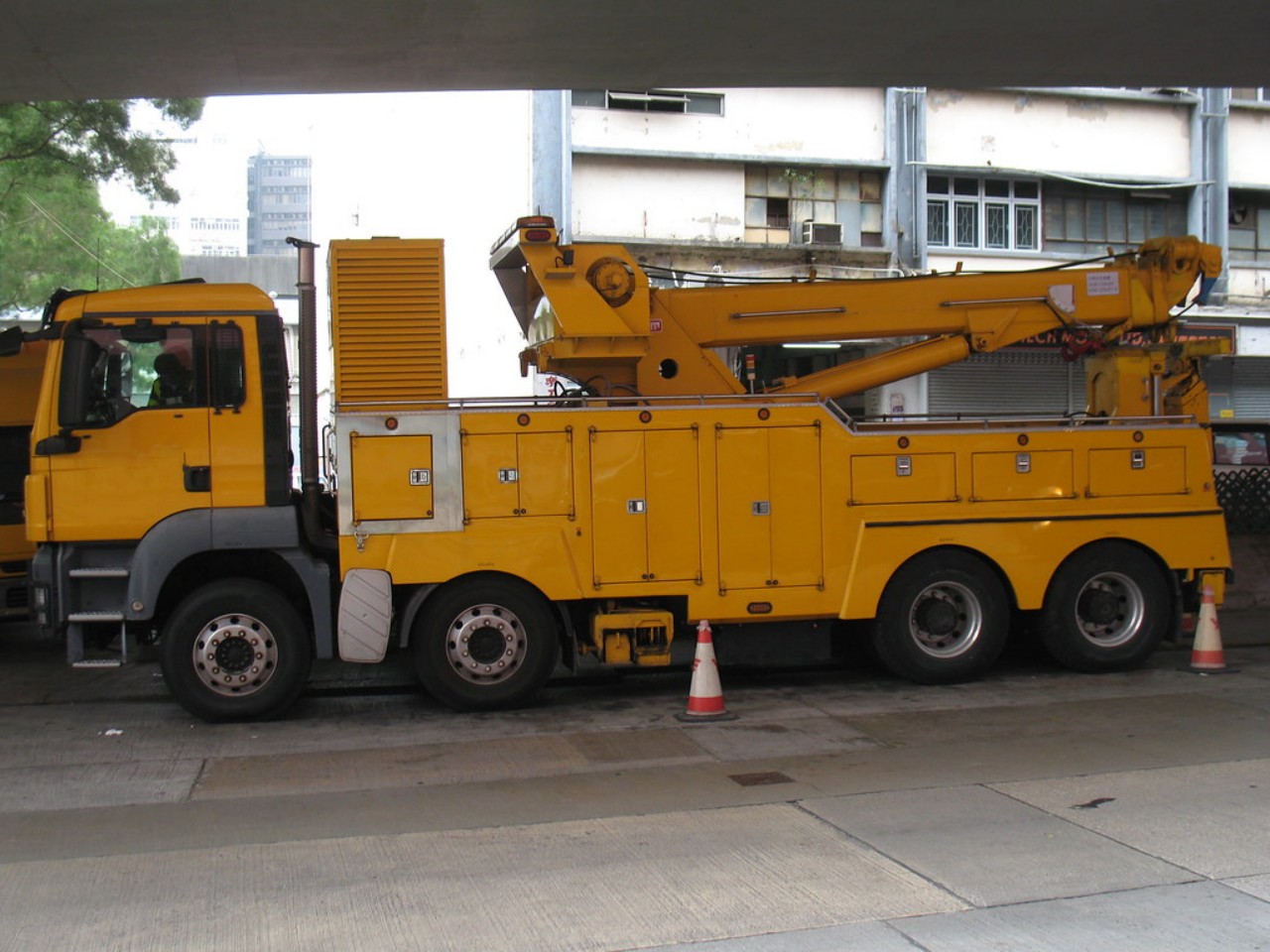
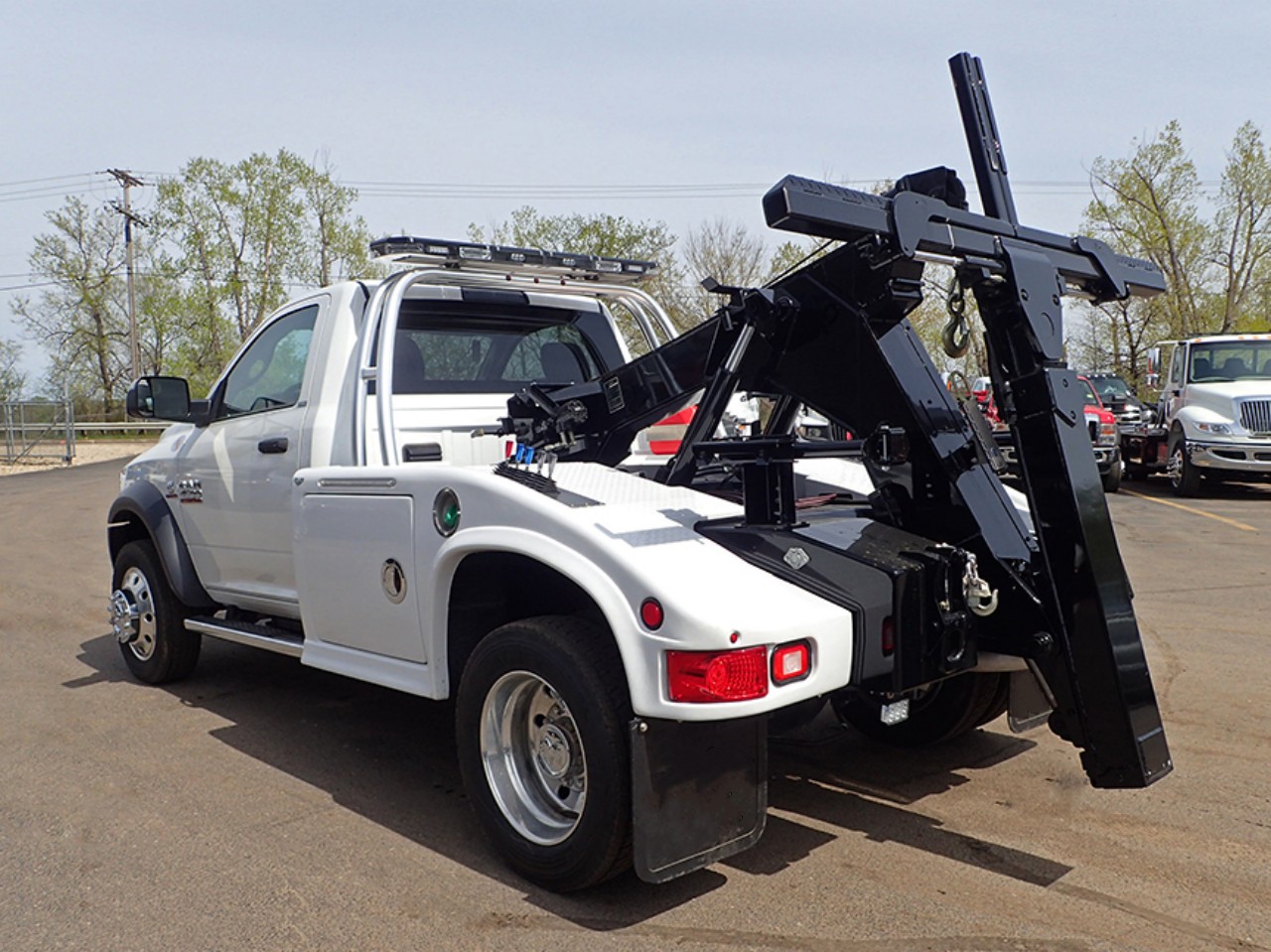
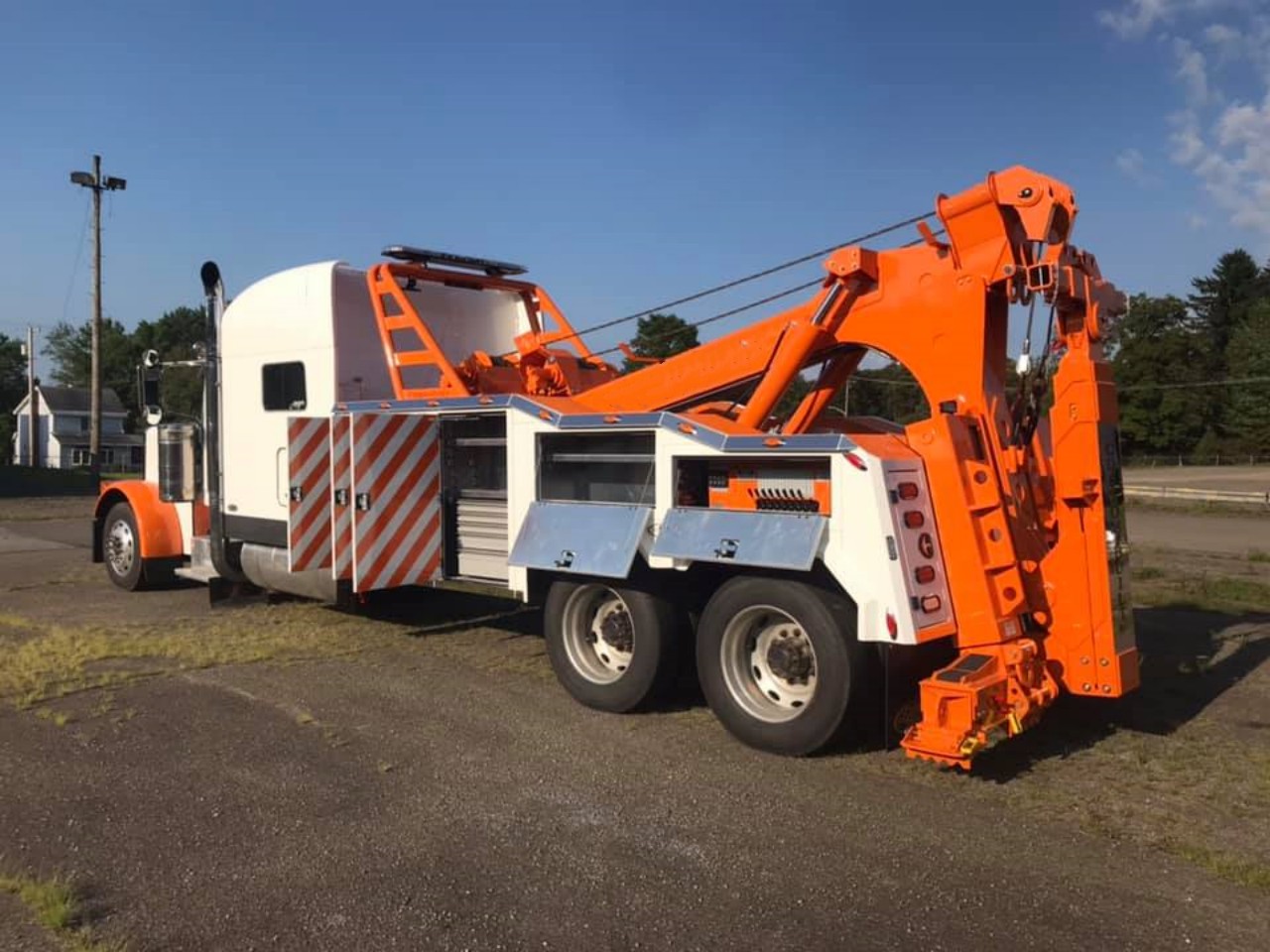
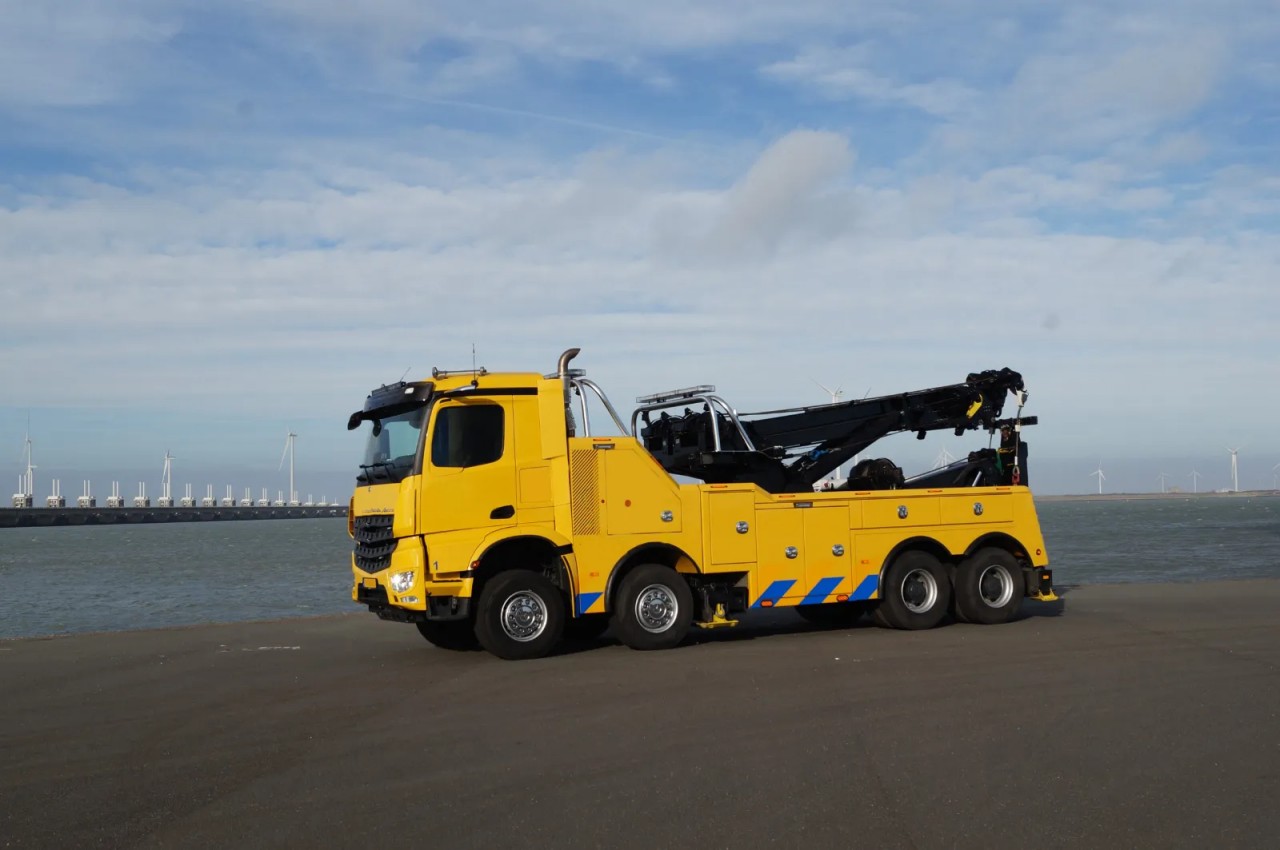
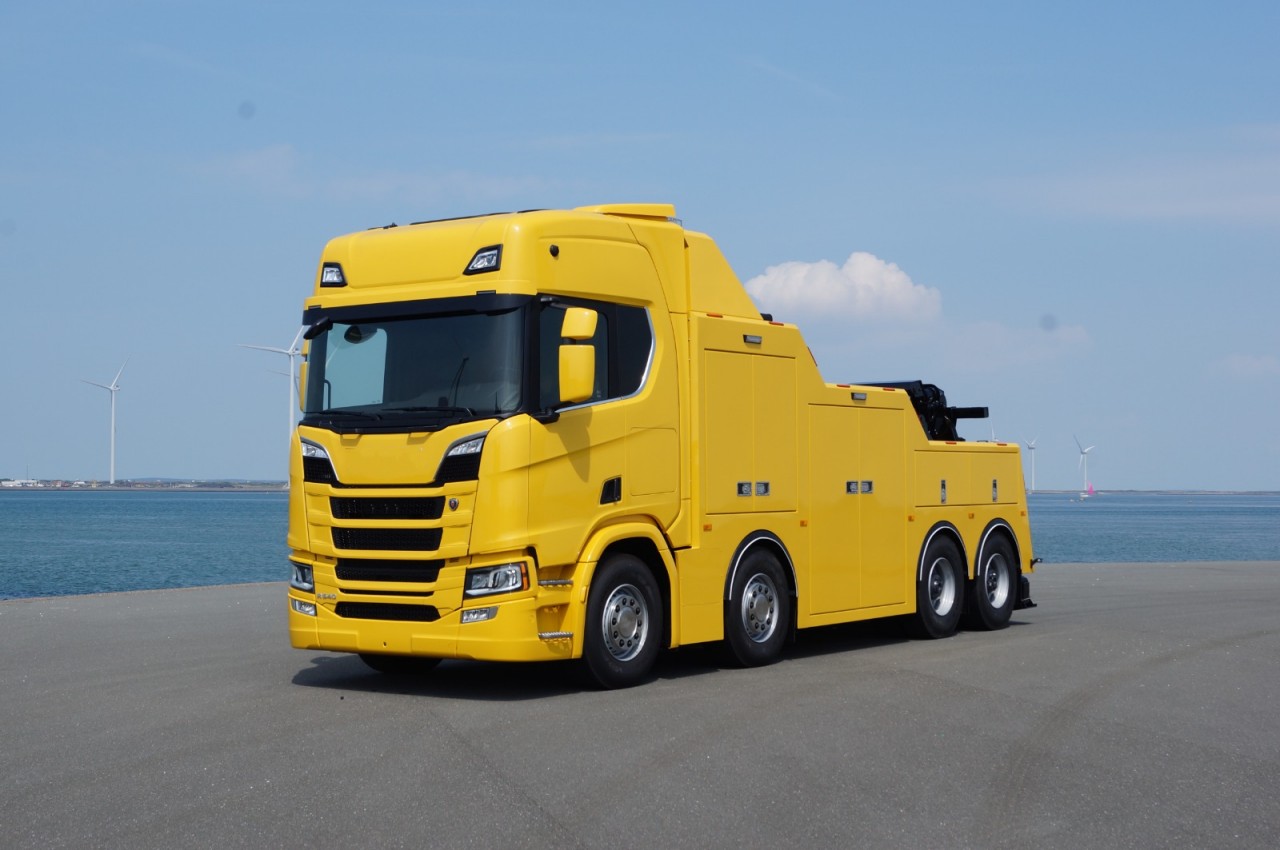
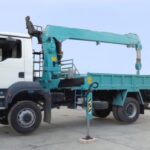
In the world of automotive transportation, unforeseen circumstances can arise at any moment, leaving vehicles immobilized and stranded on the side of the road. Whether due to mechanical failure, ajali, or other emergencies, the need for efficient vehicle retrieval is paramount. This is wherelori la kuponas come into play. These specialized vehicles are designed to transport disabled vehicles to a desired location safely and effectively. Katika nakala hii, we will explore the essential features of alori la kuponathat contribute toefficient vehicle retrieval.
1. Robust Towing Capacity:
One of the primary features of alori la kuponais its towing capacity. Recovery trucks should be equipped withpowerful engines and heavy-duty towing systemscapable of handling a wide range of vehicle weights and sizes. A high towing capacity ensures that thelori la kuponacan safely and effectively transport different types of vehicles, from compact cars to larger commercial vehicles.
2. Winching Mechanism:
A winching mechanism is an indispensable feature of alori la kupona. It allows operators to pull disabled vehicles onto thelori la kupona‘s bed or lift them off the ground in case of rollovers or other accidents. The winching mechanismshould be durable, ya kuaminika, and able to withstand heavy loads. Kwa kuongeza, it should be equipped withproper safety featuresto ensure the smooth and secure operation of vehicle recovery.
3. Versatile Bed Configurations:
Recovery trucks often come with various bed configurations to accommodate different types of vehicles. Flatbedsare the most common type, providing a level surface for easy loading and unloading. Walakini, somelori la kuponas may have specialized beds, such as wheel lifts orintegrated towing booms, designed to handle specific situations. The versatility of bed configurations allowslori la kuponas to adapt todifferent recovery scenariosefficiently.
4. Stabilization Systems:
To ensure the safe and stable transportation of disabled vehicles, lori la kuponas should be equipped witheffective stabilization systems. These systems preventexcessive movement na shifting of the loaded vehiclesduring transport. Features such as adjustable straps, wheel chocks, na automatic locking mechanismscontribute to secure and stable vehicle retrieval.
5. Integrated Lighting and Signage:
Visibility is crucial during vehicle retrieval operations, especially when working in low-light conditions or on busy roadways. Recovery trucks should be equipped with high-qualityintegrated lighting systems, including roof-mounted beacons, warning lights, and strobes. Clear and prominent signage indicating “Recovery Vehicle” au “Lori la Kuvuta” helps alert other drivers to the presence of thelori la kuponaand ensures the safety of everyone involved.
6. Enhanced Maneuverability:
Efficiency in vehicle retrieval operations is greatly influenced by thelori la kupona‘s maneuverability. Recovery trucks should have a compact design and responsive steering, allowing operators to navigate narrow streets, crowded areas, and tight corners with ease. Kwa kuongeza, features such as rearview cameras and proximity sensors contribute toimproved maneuverabilityand prevent accidents during operation.
7. Advanced Safety Features:
Safety is paramount when it comes torecovery truck operations. These vehicles should be equipped withadvanced safety features, kama anti-lock braking systems (ABS), udhibiti wa utulivu, and traction control. Kwa kuongeza, lori la kuponas should have a sturdy construction and reinforced frames to withstand the forces exerted during towing and recovery activities.
8. Onboard Tool and Equipment Storage:
Efficient vehicle retrieval requires access to a variety of tools and equipment. Recovery trucks should have ample onboard storage compartments for storing essential tools, such as wrenches, nyaya, straps, and hydraulic equipment. Having all the necessary equipment readily available saves time and ensures that operators areprepared for any situationthey may encounter.
9. Communication Systems:
Effective communicationis vital during vehicle retrieval operations, especially when coordinating with other stakeholders, kama law enforcement, towing dispatch, or stranded vehicle owners. Recovery trucks should be equipped withreliable communication systems, such as two-way radios or mobile data terminals. These systems enable seamless communication between therecovery truck operatorand other parties involved, ensuring efficient coordination and timely updates throughout theretrieval process.
10. GPS Navigation:
A lori la kuponashould be equipped with areliable GPS navigation system. This feature helps operators locate the disabled vehicle’s position quickly and accurately, plan themost efficient route to the destination, and avoidtraffic congestion. GPS navigation systems also providereal-time traffic updates and alternative routes, further enhancing theefficiency of vehicle retrieval operations.
11. Adequate Payload Capacity:
In addition toUwezo wa kuogelea, lori la kuponas should havesufficient payload capacityto accommodate the weight of additional equipment, such as winches, tools, and spare tires. It is essential to consider the combined weight of theloaded vehicleand thevifaato ensure safe and efficient operation.
12. Maintenance and Serviceability:
To maintain efficiency and reliability, lori la kuponas should be designed for ease ofmaintenance and serviceability. Accessible engine compartments, easily replaceable parts, na standardized componentscontribute tominimizing downtimeduring maintenance and repairs. Regular servicing and inspectionshelp ensure that the lori la kuponaremains inoptimal conditionfor efficient vehicle retrieval operations.
13. Driver Comfort and Ergonomics:
Considering the demanding nature ofrecovery truck operations, it is important toprioritize driver comfort and ergonomics. Comfortable seating, adjustable controls, and adequate legroom reduce driver fatigue and contribute to enhanced concentration and alertness. Well-designed ergonomics, such as conveniently placed controls and intuitive interfaces, enable the efficient operation of thelori la kuponaand its equipment.
14. Mawazo ya Mazingira:
In today’s environmentally conscious world, lori la kuponas should alsoincorporate environmental considerations. Integration offuel-efficient engines, emission control systems, na alternative fuel optionshelp reduce the carbon footprint of therecovery truck fleet. Kwa kuongeza, noise reduction featurescontribute to minimizing noise pollution during vehicle retrieval operations.
Kwa kumalizia, the efficient retrieval of disabled vehicles heavily relies on the essential features of alori la kupona. A robust towing capacity, winching mechanism, versatile bed configurations, stabilization systems, integrated lighting and signage, enhanced maneuverability, advanced safety features, onboard tool and equipment storage, communication systems, GPS navigation, adequate payload capacity, maintenance and serviceability, driver comfort and ergonomics, and environmental considerations all contribute to efficient vehicle retrieval operations. By equippinglori la kuponas with these essential features,recovery service providers can ensure swift, safe, and effective assistance to stranded motorists, minimizing inconvenience and promoting road safety.