When it comes to vehicle relocation, whether due to breakdowns, accidents, or the need for long-distance transport, uta koloa ʻa e lolis have become the unsung heroes of thengaahi meʻalele. These versatile vehicles play a crucial role in ensuring that cars, trucks, and even heavy machinery reach their intended destinations safely and efficiently. ʻI he fakamatala ko ʻeni, we will explore the world ofuta koloa ʻa e lolis and how they provide efficient vehicle relocation solutions.
The Evolution of Carrier Tow Trucks
Carrier tow trucks, toe ʻiloa foki koflatbed pe rollback trucks, have come a long way since their inception. Their roots can be traced back to the early 20th century whenautomobilesstarted populating the roads, leading to a growing need forefficient vehicle recovery mo e transportation solutions.
The earliestʻa e lolis were rather rudimentary, often consisting of a simple winch attached to the rear of a vehicle. They required manual effort and were limited in their capacity to transport vehicles. ʻI he ʻalu ʻa e taimi, these primitiveʻa e lolis gave way to more advanced designs, pea mo e uta koloa ʻa e loliwas born.
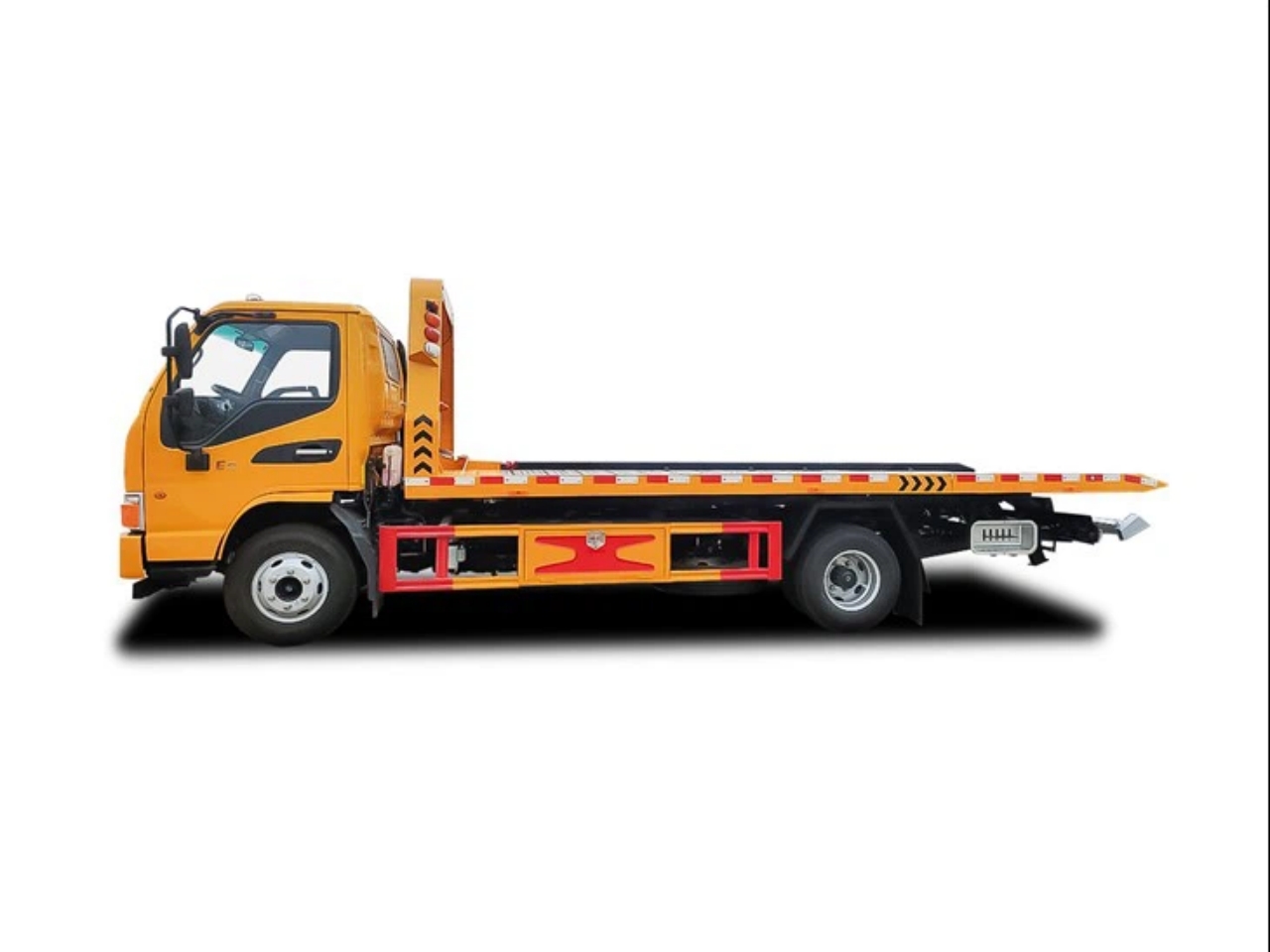
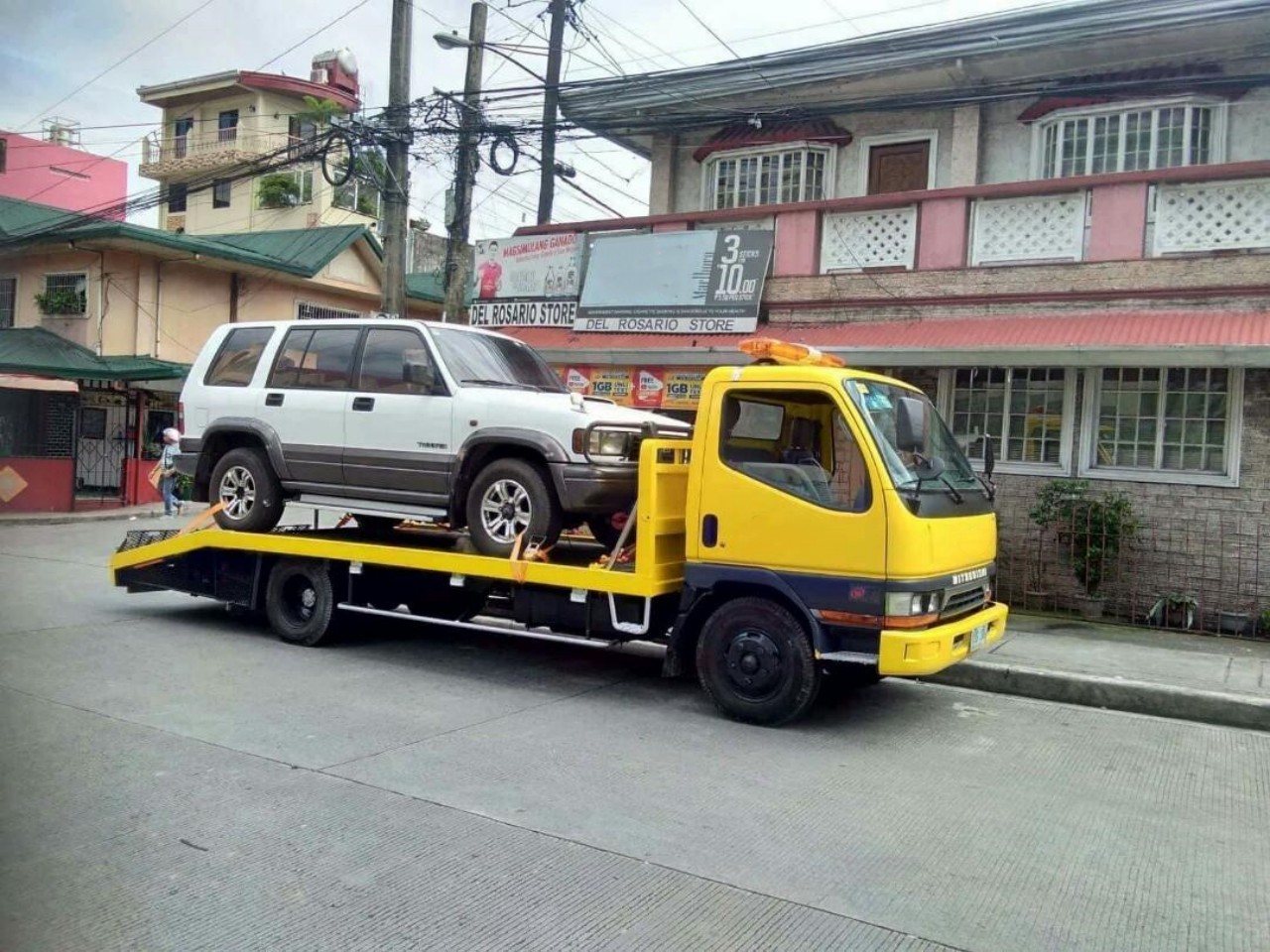
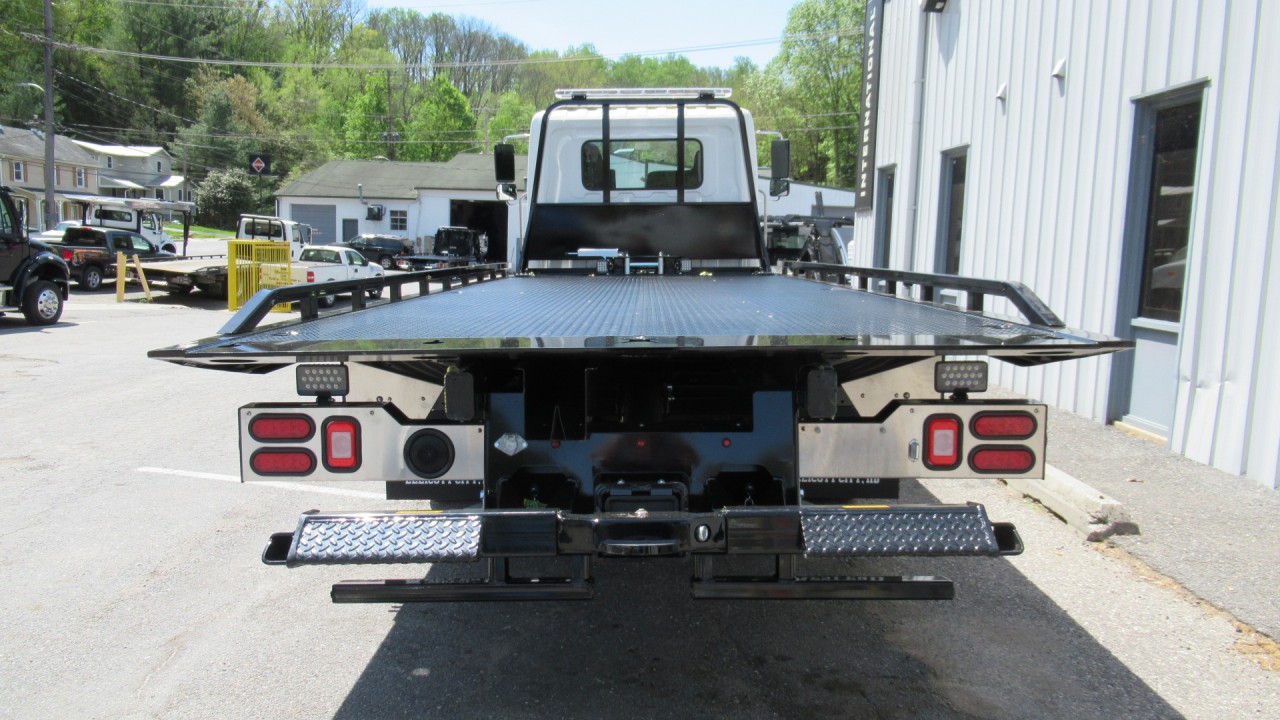
Carrier tow trucks, characterized by theirflatbed design, revolutionized the industry. Unlikeloli tukufakaholos that lift the front or rear of a vehicle off the ground, uta koloa ʻa e lolis allow for the entire vehicle to be securely placed on a flat, horizontal bed. This innovation not only made loading and unloading easier but also eliminated the risk of further damage during transport.
Versatility in Vehicle Transport
One of the key reasonsuta koloa ʻa e lolis have become indispensable in theautomotive worldis their versatility. These trucks are designed to accommodate a wide range of vehicles, from compact cars toheavy-duty trucks and even construction equipment. Ko eflatbed design mo e adjustable loading ramps make it possible to transport vehicles of various sizes and configurations, making them a go-to solution for vehicle relocation needs.
Whether it’s moving a fleet of rental cars, transporting luxury vehicles for a dealership, or rescuing a stranded motorist, uta koloa ʻa e lolis offer the flexibility required to handle diverse situations. This adaptability has made them a preferred choice fortowing companies, recovery services, mo e businessesinvolved in vehicle logistics.
Safety and Vehicle Protection
Efficiency in vehicle relocation is not just about getting from point A to point B; it also involves ensuring the safety and protection of the vehicles being transported. Carrier tow trucks excel in this aspect. By securely fastening vehicles to the flatbed, there is minimal risk of additional damage during transit, especially when compared to loli tukufakaholos that may put stress on the towed vehicle’s suspension.
ʻIkai ngata ai, uta koloa ʻa e lolis reduce the chances of accidents during transport. Ko e flatbed designprovides better stability and control, even when transporting larger or heavier vehicles. This added safety benefits both the ʻa e tokotaha ʻoku ʻaʻana e loliand other road users, making it a win-win solution for all parties involved.
Efficiency and Time Savings
Efficiency is a hallmark ofuta koloa ʻa e lolis. Loading and unloading vehicles can be quickly done and with minimal effort. This means that in cases of accidents or breakdowns, stranded motorists can get their vehicles off the road faster, reducingtraffic disruptions mo e potential hazards.
For businesses involved in vehicle logistics, time is money. Carrier tow trucks enable them to streamline their operations by reducing the time it takes to transport multiple vehicles. Whether it’s moving a batch of newly manufactured cars from a factory to a dealership or delivering rental vehicles to a customer, uta koloa ʻa e lolis help businesses meet tight schedules and customer demands efficiently.
Long-Distance and Cross-Country Transport
While local towing is a common application, uta koloa ʻa e lolis also shine when it comes to long-distance and cross-country transport. These trucks are equipped to handle extended journeys, ensuring that vehicles arrive at their destination in the same condition as they were loaded.
For individuals moving across the country or businesses relocating their fleets, uta koloa ʻa e lolis provide a reliable solution. They are designed for highway driving, ensuring that vehicles can be transported over long distances without unnecessary wear and tear. This is particularly important for specialty vehicles, vintage cars, or luxury automobiles that require extra care during transport.
The Environmental Aspect
Efficiency in vehicle relocation doesn’t stop at speed and safety.Carrier tow trucks also have a positiveenvironmental impact. Unlikeloli tukufakaholos that may drag a vehicle with its wheels on the ground, uta koloa ʻa e lolis offer a smoother ride. This results in reduced wear on tires and less friction, ultimately leading to lower fuel consumption and fewer emissions.
ʻIkai ngata ai, the ability to transport multiple vehicles in one trip reduces the overall carbon footprint of vehicle logistics operations. For businesses committed to sustainability, uta koloa ʻa e lolis align with their environmental goals while still providingefficient transportation solutions.
Fakaʻosi
Carrier tow trucks have truly revolutionized vehicle relocation. Their versatility, ngaahi meʻa ʻoku malu, lavameʻa, and environmental benefits make them an indispensable part of thengaahi meʻalele. Whether it’s a local tow, a long-distance transport, or the movement of specialized vehicles, uta koloa ʻa e lolis continue to play a vital role in ensuring that vehicles reach their destinations safely and efficiently. ʻI he hokohoko atu e fakalakalaka ʻa e tekinolosia, we can only expectuta koloa ʻa e lolis to become even more efficient and eco-friendly, further cementing their status as the go-to vehicle relocation solution.