The sight of aʻa e lolicoming to the rescue of a stranded vehicle on the side of the road is a common one. From breakdowns and accidents to illegally parked cars, ʻa e lolis play a vital role in keeping our streets safe and clear. Neongo ia, when you find yourself in need of a ʻa e loli, you might realize that not all ʻa e lolis are created equal. Choosing the rightʻa e lolifor your specific needs is essential. In this comprehensive guide, we will explore the different types of ʻa e lolis, their capabilities, and the factors to consider when selecting the most suitable one.
Types of Tow Trucks
Before diving into the nitty-gritty of choosing theright tow truck, let’s first understand the different types of ʻa e lolis available:
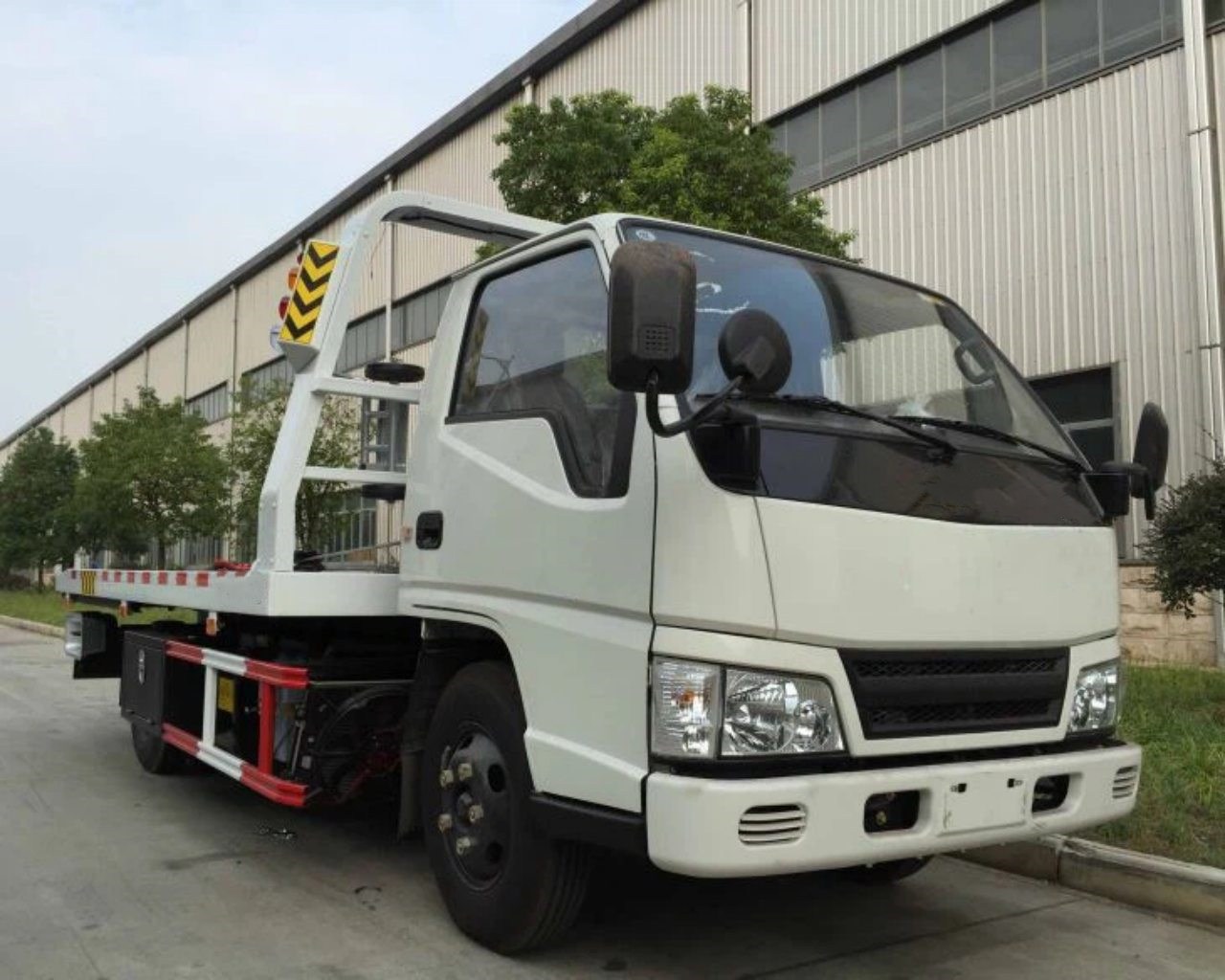
1. Flatbed Tow Trucks:Vakavakaʻamei ʻa e lolis are one of the most versatile options. They feature a flat platform that can be hydraulically inclined to make loading and unloading vehicles easier. These are excellent for towing standard cars, SUVs, and motorcycles.
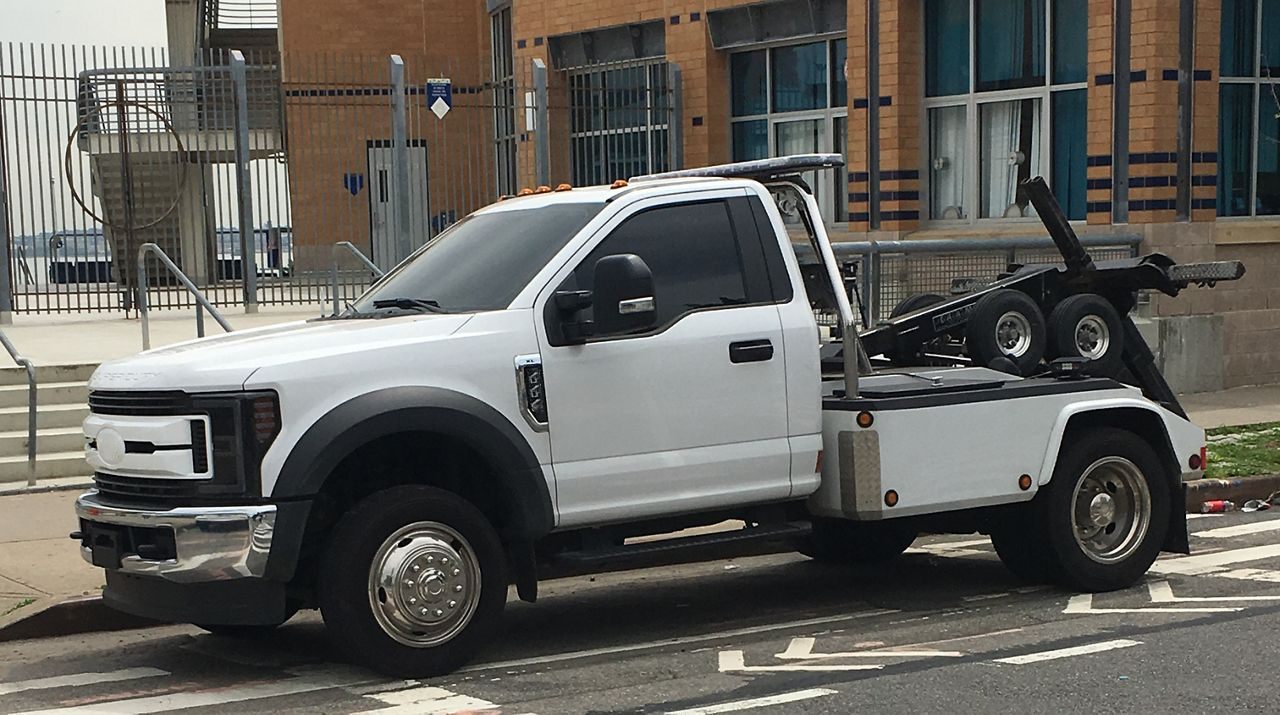
2. Hook and Chain Tow Trucks:These loli tukufakaholos use chains and hooks to secure the vehicle. While they are suitable for short-distance tows, they are less commonly used today due to the risk of damaging the towed vehicle.
3. Wheel-Lift Tow Trucks:These trucks use a metal yoke to secure the vehicle’s front or rear wheels. They are less damaging to the towed vehicle compared tohook-and-chain tow trucks, making them a popular choice.
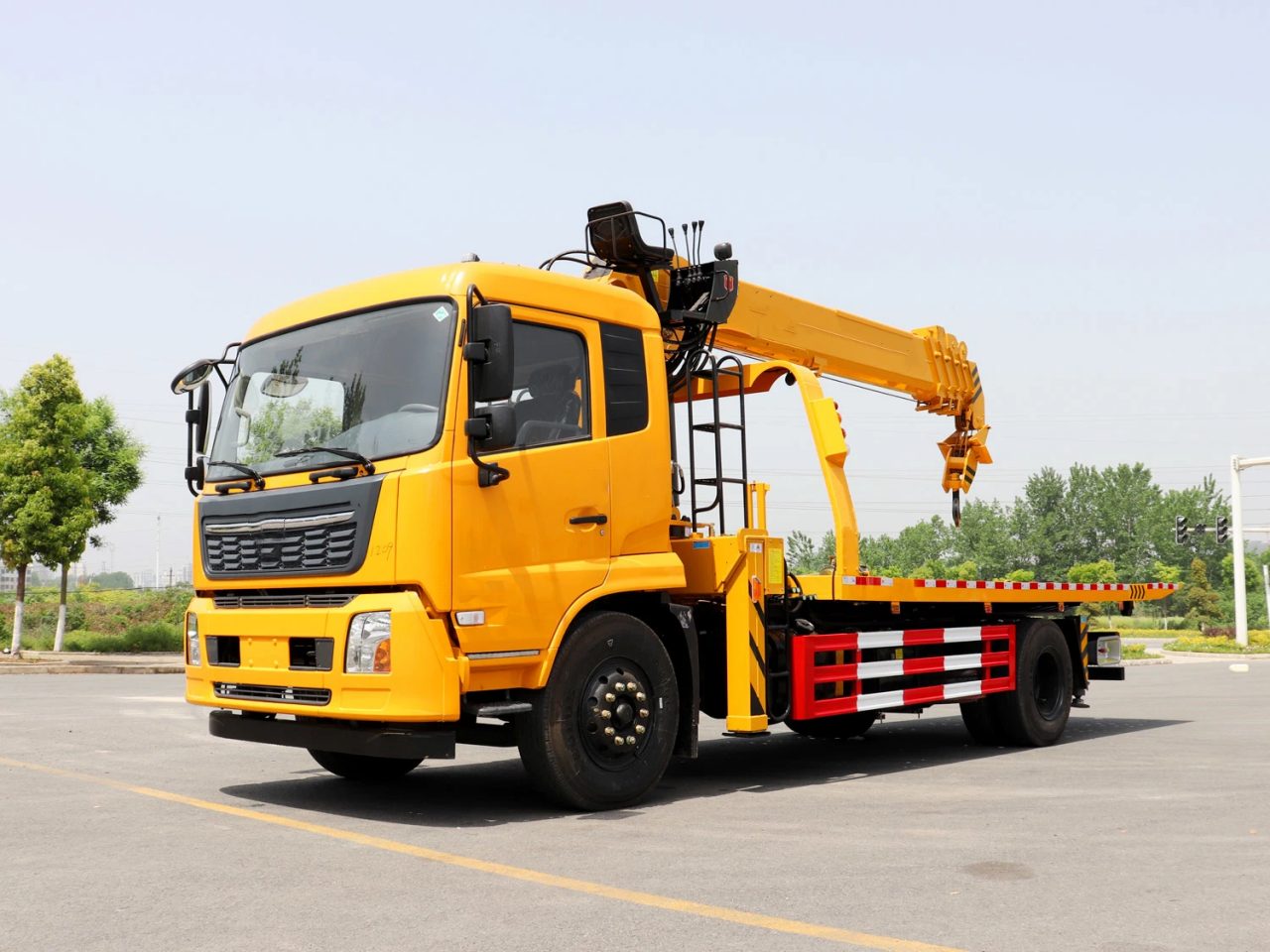
4. Fakakau ʻa e lolis:Theseʻa e lolis combine both therecovery mo e towing capabilitiesin a single unit. They are particularly suitable forheavy-duty towing mo e tafa fakaakeakes.
5. Boom Tow Trucks:Boom tow trucks are equipped with anadjustable boom winch, which can be used to lift a vehicle out of ditches or over obstacles. They are often used for off-road recoveries.
6. Self-Loader Tow Trucks:Self-loader tow trucks are designed with a boom and wheel-lift feature. This allows the driver to load the vehicle without the need for a second operator.
Factors to Consider when Choosing a Tow Truck
Now that you know the different types ofʻa e lolis, here are the key factors to consider when choosing theright tow truck:
1. Type of Vehicle:The type of vehicle you need to tow is a critical consideration. For compact cars, vakavakaʻamei ʻa e lolis pe ʻa e loli ʻoku ne hikiʻi hake ʻa e veʻetekas are usually sufficient. On the other hand, heavy-duty vehicles like trucks and buses requirespecialized tow trucks with more lifting capacity.
2. Distance of the Tow:The distance you need to tow your vehicle can impact your choice ofʻa e loli. If you’re towing a short distance within a city, a ʻa e loli ʻoku ne hikiʻi hake ʻa e veʻetekamight be suitable. For long-distance tows, a vakavakaʻamei ʻa e loliprovides more stability and protection for the towed vehicle.
3. Terrain:Consider the terrain where the tow will take place. If the vehicle is stuck in an off-road location, a boom tow truckor aself-loader tow truckmight be necessary for effective recovery.
4. Weight and Size:The weight and size of the vehicle being towed are crucial. Make sure theʻa e loliyou choose has the necessaryweight capacity mo e towing equipmentto handle the load safely.
5. Accessibility:Think about where the vehicle is located. Is it in a confined space or on a narrow street? Someʻa e lolis are better equipped fortight spaces, making them a suitable choice for urban towing.
6. Condition of the Vehicle:If the vehicle is severely damaged or in a precarious condition, you’ll want atow truck with advanced recovery capabilities. Fakakau ʻa e lolis pe boom tow trucks can be ideal for such scenarios.
7. Legal Requirements:Familiarize yourself with thelegal regulations mo erequirementsfor towing in your area. Some regions have specific rules regarding the use of certainʻa e lolitypes, especially for larger vehicles.
8. Cost and Budget:Differentʻa e lolis come with varying price tags. Consider your budget when selecting aʻa e loli. Keep in mind that while a cheaper option might save you money upfront, it could lead to higher costs in vehicle repair if it’s not the right fit.
Towing Safety and Regulations
Safety should always be a top priority when choosing aʻa e loliand when towing vehicles. Here are some safety tips and regulations to keep in mind:
1. Proper Training:Ensure that theʻa e tokotaha ʻoku ʻaʻana e loliis properly trained and licensed. This helps prevent accidents and damage during the towing process.
2. Secure the Vehicle:Make sure thetowed vehicleis securely fastened to theʻa e loli. Any loose connections can result in accidents or damage to the vehicle.
3. Visibility:Maintain proper visibility. Usewarning lightsand cones to alert other drivers to your presence, especially if you’re towing a vehicle on the side of the road.
4. Weight Distribution:Distribute the weight of thetowed vehicleevenly to avoid issues with theʻa e loli‘s stability.
5. Know the Regulations:Familiarize yourself with local, state, and federal regulations related to towing, including weight limits and safety requirements.
Fakaʻosi
Choosing theright tow truckis a crucial decision when you find yourself in need of a tow. The type of ʻa e loliyou select should align with the specific needs of your situation, taking into account the type of vehicle, distance of the tow, terrain, vehicle size and weight, accessibility, and budget. Safety should always be a priority when towing, and it’s important to comply with all relevant regulations.
By understanding the different types ofʻa e lolis and the factors to consider when choosing one, you can ensure that yourtowing experienceis not only effective but also safe and problem-free. Whether you’re aprofessional tow truck operatoror avehicle ownerin need of assistance, making an informed choice will make the towing process smoother and more secure. So, the next time you see aʻa e lolion the road, you’ll know that choosing the right one is more than just a matter of convenience—it’s a matter of safety and efficiency.