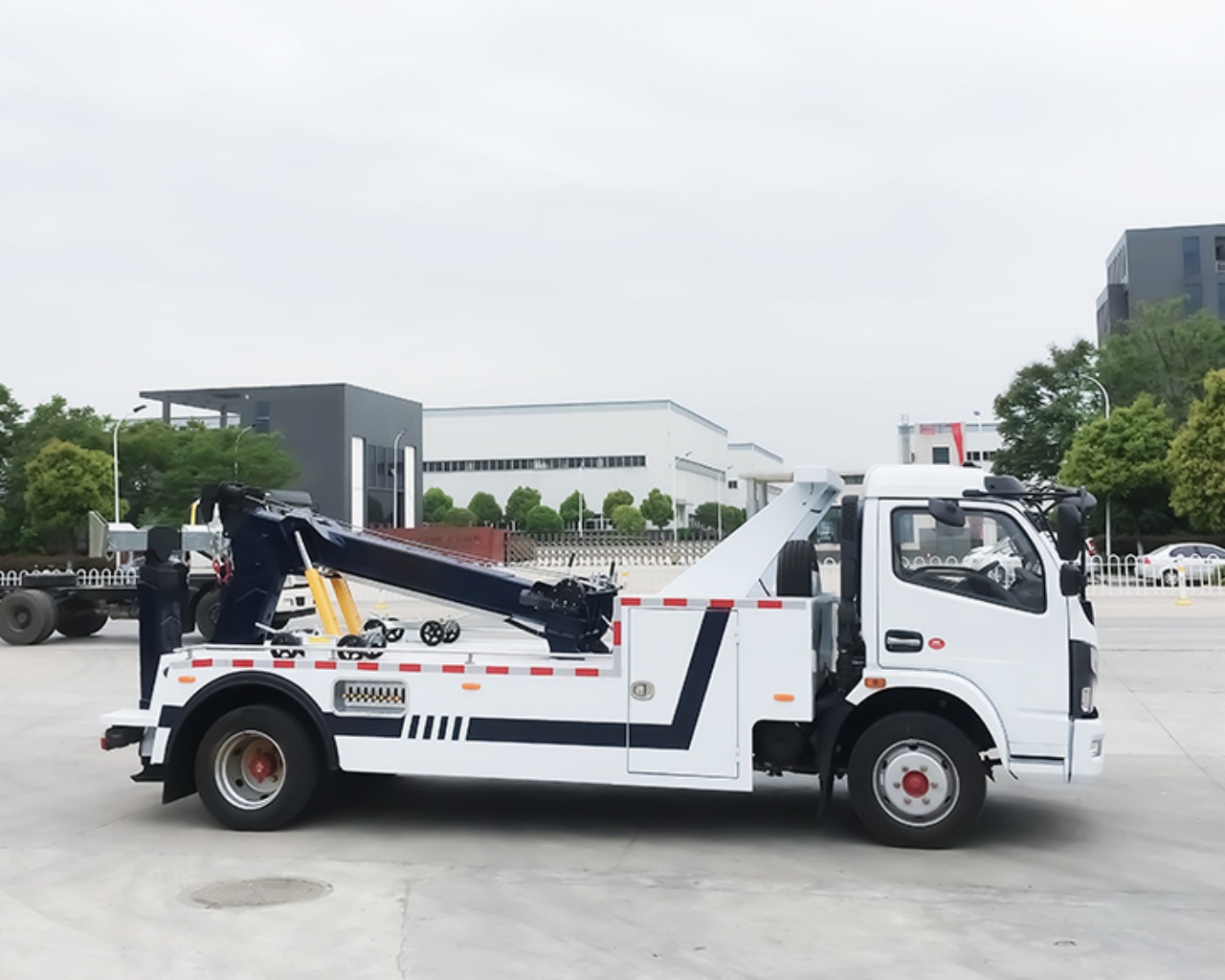
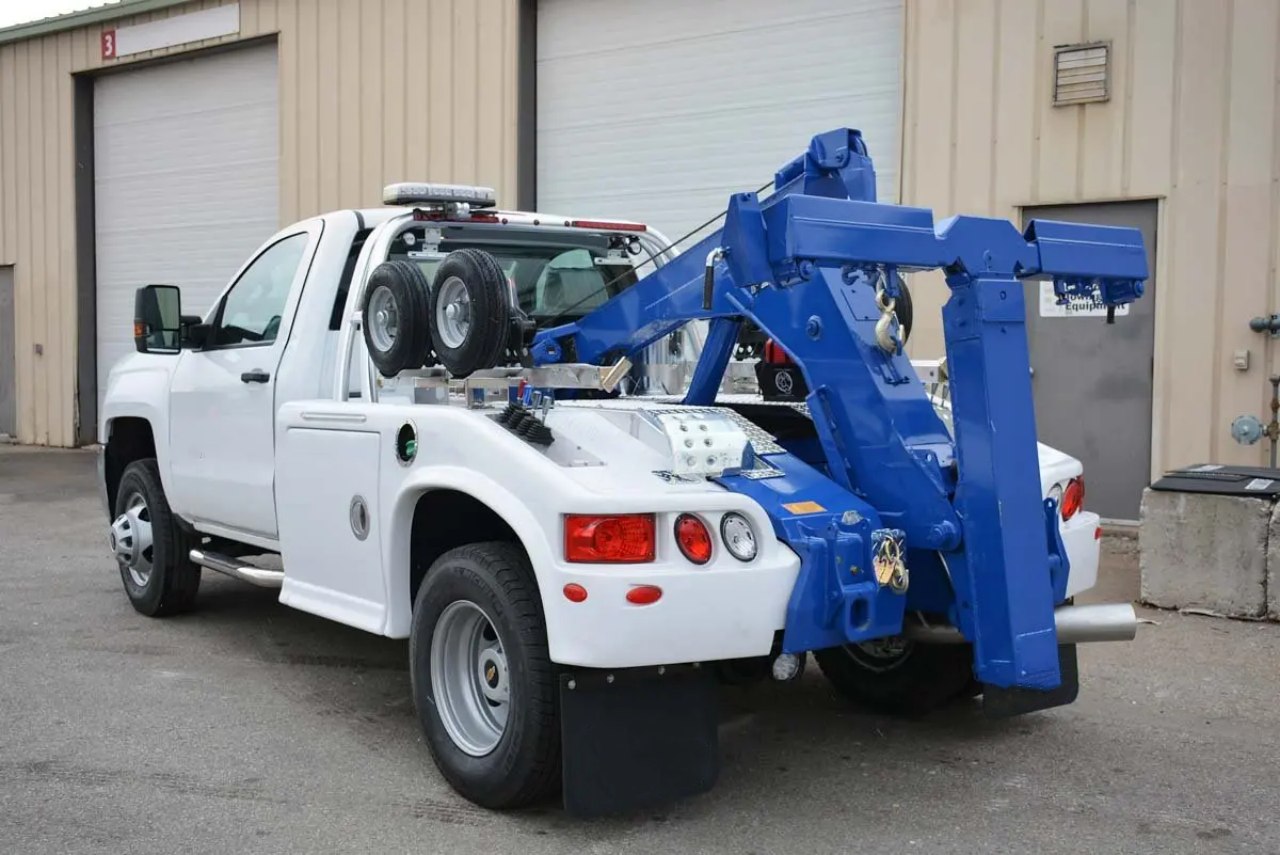
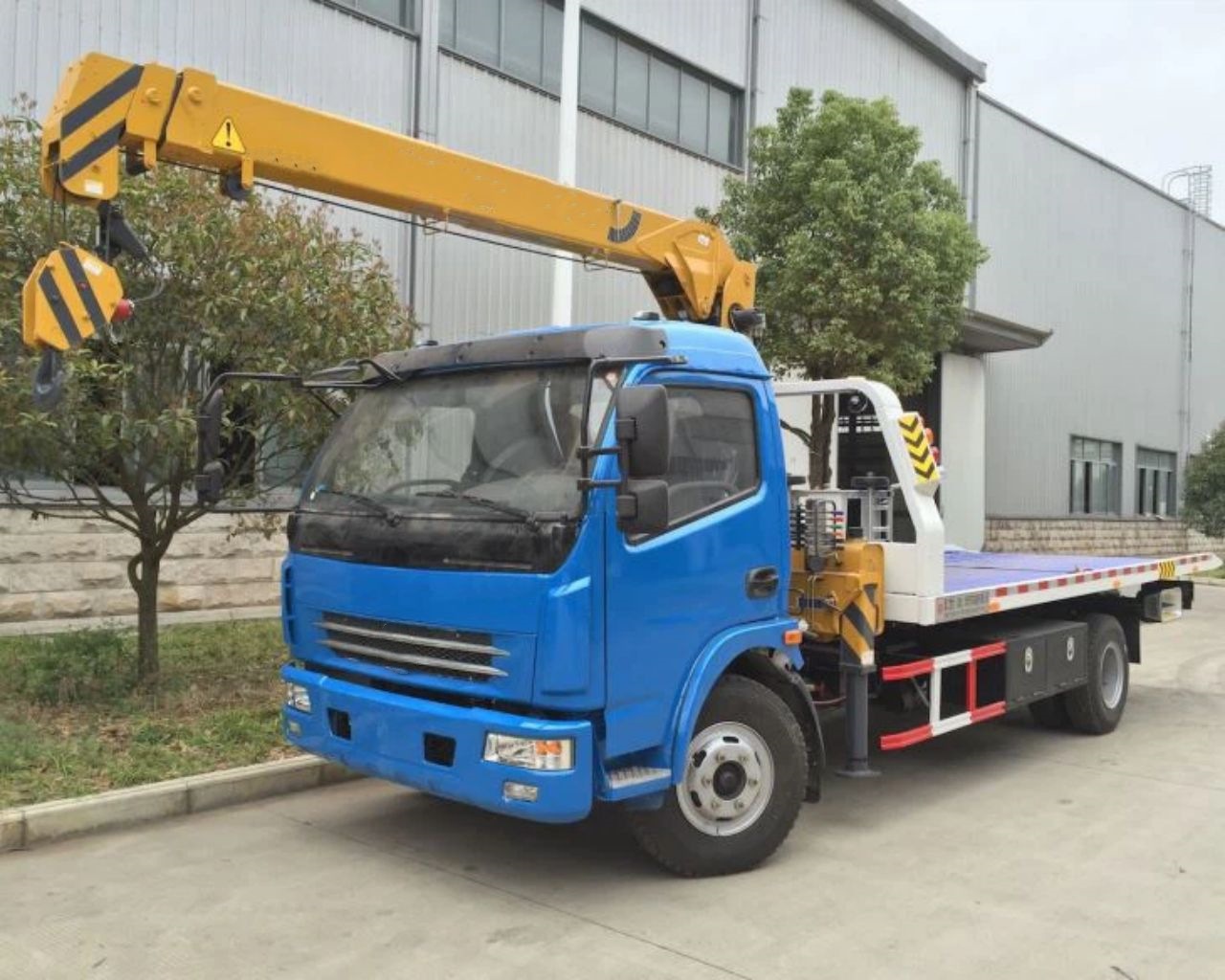
Towing is an essential service that keeps our roads safe and ensures the smoothflow of traffic. Whether it’s a stranded motorist in need of assistance or the removal of a disabled vehicle from a busy highway, ʻa e lolis play a pivotal role in maintaining order on our roadways. In recent years, ʻa e ngaue ʻa e haʻanautoluhas witnessed a significant transformation with the advent offakakau ʻa e lolis. These advanced vehicles arechanging the game, enhancing towing efficiency, and providing numerous benefitsto both tow truck operators and thegeneral public.
The Evolution of Tow Trucks
To appreciate the impact offakakau ʻa e lolis, it’s important to understand the evolution of ʻa e lolis over the years. Ko e ʻa e loli, originally invented byErnest Holmes Sr.in 1916, was a breakthrough invention that revolutionizedvehicle recovery. The early ʻa e lolis were relatively simple, consisting of a winch and a boom mounted on a standardtruck chassis.
As time passed, ʻa e lolis became more specialized, with various configurations developed to handle different types of vehicles and recovery scenarios. Ko e ngaue ʻa e lolisaw the emergence ofvakavakaʻamei ʻa e lolis, wheel lift tow trucks, mo e heavy-duty wreckers, each designed to addressspecific towing needs. Lolotonga ʻa e ngaahi meʻa ko ʻ innovations improved efficiencyto some extent, they still had limitations when it came to seamless integration with other essential tools and technology.
The Rise of Integrated Tow Trucks
Fakakau ʻa e lolis represent the next step in the evolution ofvehicle recovery technology. These cutting-edge vehicles are equipped with a wide array of features and capabilities that make them highly efficient and versatile. Here are some of the key aspects that definefakakau ʻa e lolis and set them apart from their predecessors:
1. Advanced Control Systems
Fakakau ʻa e lolis come withadvanced control systems that allow operators to manipulate various functions with precision. These systems often include touch-screen interfaces, remote control capabilities, and programmable settings, making it easier for operators to perform complex tasks quickly and safely. These controls not only enhance the operator’s ability to handle the tow but also contribute toimproved safetyon the road.
2. Telematics Integration
Modern integrated tow trucks are equipped withtelematics systems that providereal-time dataonvehicle performance and location. This integration with technology allows operators to optimize their routes, monitor fuel efficiency, and respond more rapidly to service requests. Telematics also enablesimproved communicationbetween dispatchers and operators, ensuring a more coordinated response to emergencies.
3. Enhanced Recovery Equipment
Fakakau ʻa e lolis are often equipped withstate-of-the-art recovery equipment, kau ai ʻa e advanced winches, stabilizing systems, mo e hydraulic capabilities. These features enable operators to recover vehicles more efficiently and safely, reducing the risk of damage during the towing process. Whether it’s a compact car or aheavy-duty commercial vehicle, fakakau ʻa e lolis are designed to handle a wide range of recovery scenarios.
4. Multi-Purpose Functionality
One of the standout features offakakau ʻa e lolis is their ability to perform multiple functions within a single vehicle. Tokolahi fakakau ʻa e lolis are designed to switch between towing, recovery, and transport modes seamlessly. This versatility allows operators to adapt to various situations without the need foradditional equipment or vehicles, ultimately saving time and resources.
5. Safety Innovations
Safety is a top priority in the ngaue ʻa e haʻanautolu, mo e fakakau ʻa e lolis incorporate a range of safety innovations to protect both operators and the public. These innovations may includeadvanced lighting systems, collision avoidance technology, and driver assistance features. ʻIkai ngata ai, fakakau ʻa e lolis often haveimproved visibility, reducing blind spots and enhancing overall safety.
Benefits of Integrated Tow Trucks
The adoption offakakau ʻa e lolis has brought about several significant benefits to the ngaue ʻa e haʻanautoluand the communities they serve:
1. Increased Efficiency
Fakakau ʻa e lolis are designed to perform tasks quickly and efficiently. Theiradvanced controls, powerful recovery equipment, and multi-purpose functionalityenable operators to completetowing and recovery jobswith greater speed and precision. This efficiency translates into faster response times, reduced traffic disruptions, and improved customer satisfaction.
2. Cost Savings
By consolidatingmultiple functions into a single vehicle, fakakau ʻa e lolis helptowing companiessave on equipment costs and operational expenses. Operators no longer need to invest in separate trucks for towing and recovery, which can be a significant financial burden. Thiscost-saving aspectallowstowing companiesto remain competitive and invest in other areas of their business.
3. Enhanced Safety
Safety is paramount in thengaue ʻa e haʻanautolu, mo e fakakau ʻa e lolis contribute tosafer operations in several ways.Advanced safety features, improved visibility, and driver assistance technologyreduce the risk of accidents during towing and recovery operations. This not only protects the operators but also ensures the safety of motorists and pedestrians on the road.
4. Environmental Benefits
Fakakau ʻa e lolis are often designed with fuel efficiency in mind, thanks to theirtelematics integration and optimized routing capabilities. This means that these vehicles consume less fuel and produce fewer emissions compared to older, less efficientʻa e lolis. As the world moves towards greenertransportation solutions, fakakau ʻa e lolis helptowing companiesreduce their environmental footprint.
5. Versatility
The versatility of fakakau ʻa e lolis allowstowing companiesto expand their service offerings. Whether it’s towing passenger vehicles, recoveringheavy-duty trucks, or transporting specialty vehicles, fakakau ʻa e lolis can handle a wide range of tasks. This versatility opens up new revenue streams and business opportunities fortowing companies.
Fakaʻosi
Fakakau ʻa e lolis have brought about a revolution in thengaue ʻa e haʻanautolu. Theseadvanced vehicles combine cutting-edge technology, enhanced recovery equipment, and multi-purpose functionality to significantlyimprove towing efficiency. As a result, operators can respond more rapidly to service calls, recover vehicles with greater precision, and enhance safety on our roads.
The benefits offakakau ʻa e lolis extend beyond the ngaue ʻa e haʻanautolu, benefiting communities as a whole. Faster response times reduce traffic congestion and minimize disruptions, while cost savings enabletowing companiesto invest in better equipment and training. ʻIkai ngata ai, the environmental advantages of fuel-efficientfakakau ʻa e lolis align with the global push for sustainability in transportation.
ʻI heʻene fakakau ʻa e lolis continue to evolve and become more widespread, it’s clear that they represent the future of thengaue ʻa e haʻanautolu. These versatile, efficient, and safe vehicles are not just enhancing towing efficiency; they are transforming the way we think about vehicle recovery and roadside assistance, ultimately making our roads safer and more accessible for everyone.