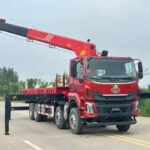
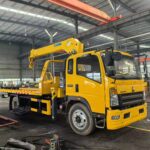
Buying atruck-mounted telescopic craneis a major investment forconstruction companies, logistics providers, infrastructure contractors, and heavy lifting operators. One of the biggest decisions buyers face is whether to purchase abrand-new craneor save money with asecond-hand unit.
At first glance, a used telescopic cranemay seem like a smart financial choice. The upfront cost is lower, delivery is often faster, and depreciation is reduced. Neongo ia, beneath the paint and polished steel, hidden problems can turn a “good deal” into a costly mistake.
Before signing a contract on ausedau ʻa e loli, it is important to understand what can go wrong — especially inside theboom system, hydraulics, structure, and safety components.
Why Buyers Choose Used Truck-Mounted Cranes
Ko e used crane marketcontinues to grow because many companies want to reducecapital expenditurewhile still expanding lifting capacity.
Common reasons buyers choosesecond-hand cranesinclude:
Lower purchase price
Faster equipment availability
Reduced initial depreciation
Access to premium brands at a lower cost
Suitable for short-term or low-frequency projects
Neongo ia, used cranesoften come with unknown operating histories, hidden wear, and inconsistent maintenance records.
The Boom Section: The Most Critical Risk Area
Ko e telescopic boomis the heart of the crane. Damage inside this structure can seriously affectlifting performanceand operational safety.
1. Structural Fatigue Cracks
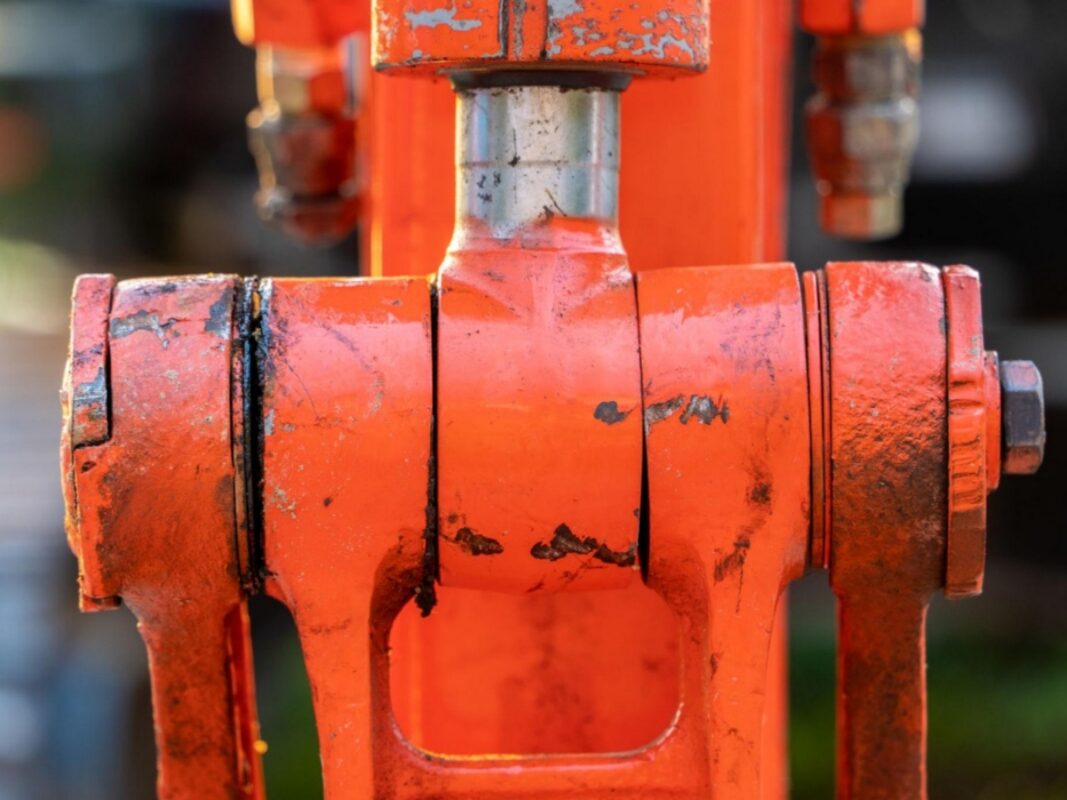
Repeated heavy lifting createsstress cyclesinside the boom sections. ʻI he ʻalu ʻa e taimi, microscopic cracks may develop around welds, pins, and high-load areas.
These cracks are often difficult to detect without professionalnon-destructive testing (NDT). If ignored, they can lead to catastrophicboom failureduring lifting operations.
Warning signs include:
Uneven weld repairs
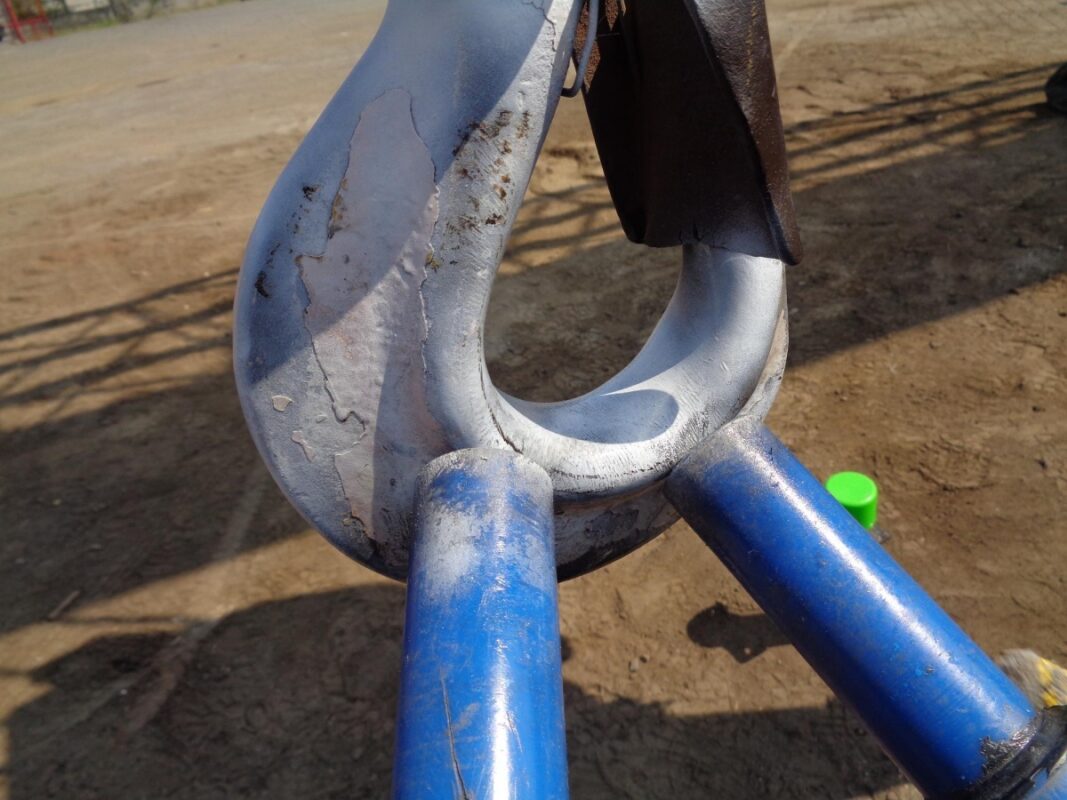
Fresh paint covering joints
Visible distortion or bending
Abnormal noises during extension
2. Internal Corrosion and Rust
Tokolahi used cranesoperate outdoors in rain, humidity, coastal environments, or dusty construction sites. Moisture trapped inside boom sections can create hidden corrosion.
Rust weakens thesteel structureand accelerates wear on sliding pads and extension systems.
Pay close attention to:
Corrosion near boom seams
Rust around hydraulic hose connections
Water stains inside boom sections
Pitting on structural steel
3. Excessive Boom Wear
Telescopic sectionsslide against wear pads during extension and retraction. After years of use, these components may become loose or misaligned.
Excessive wear can cause:
Boom vibration
Reduced lifting precision
Jerky telescoping movement
Increased structural stress
Replacingboom wear componentscan be expensive and time-consuming.
Hydraulic System Problems
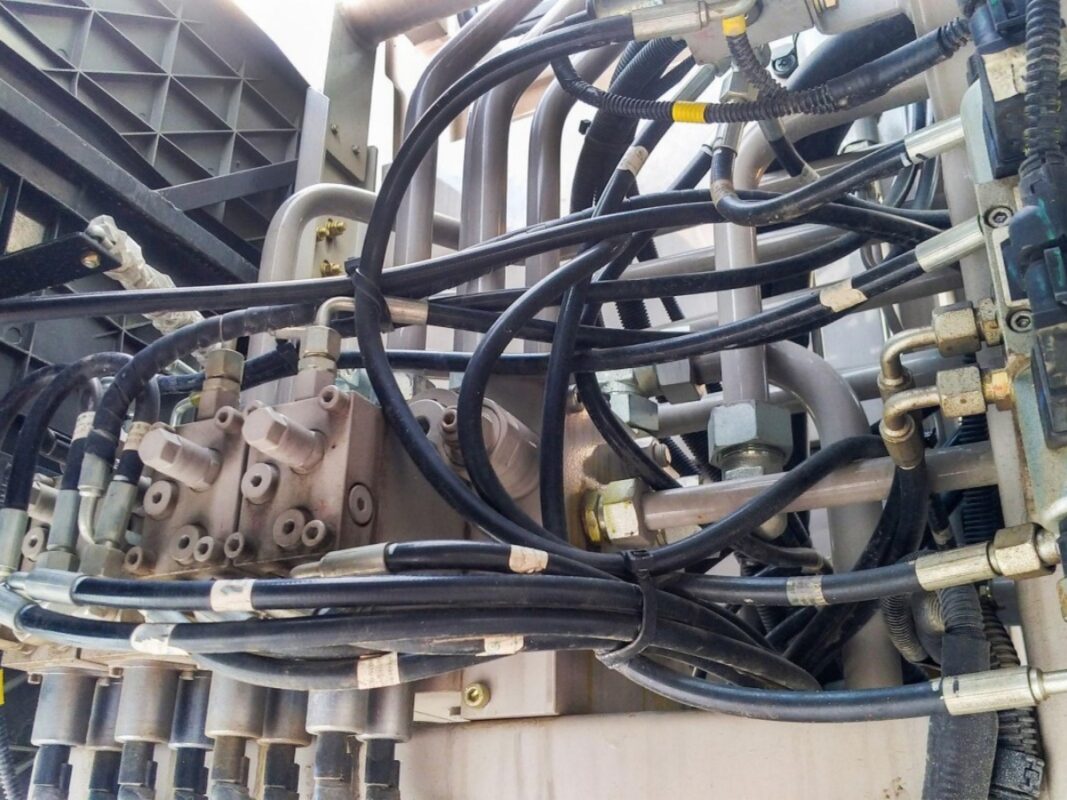
Ngaahi System ʻoku ʻikai ke ʻi ai hapower the crane’s lifting, telescoping, and stabilizing functions. In older cranes, hydraulic failuresare among the most common maintenance issues.
Common Hydraulic Problems Include:
Oil Leaks
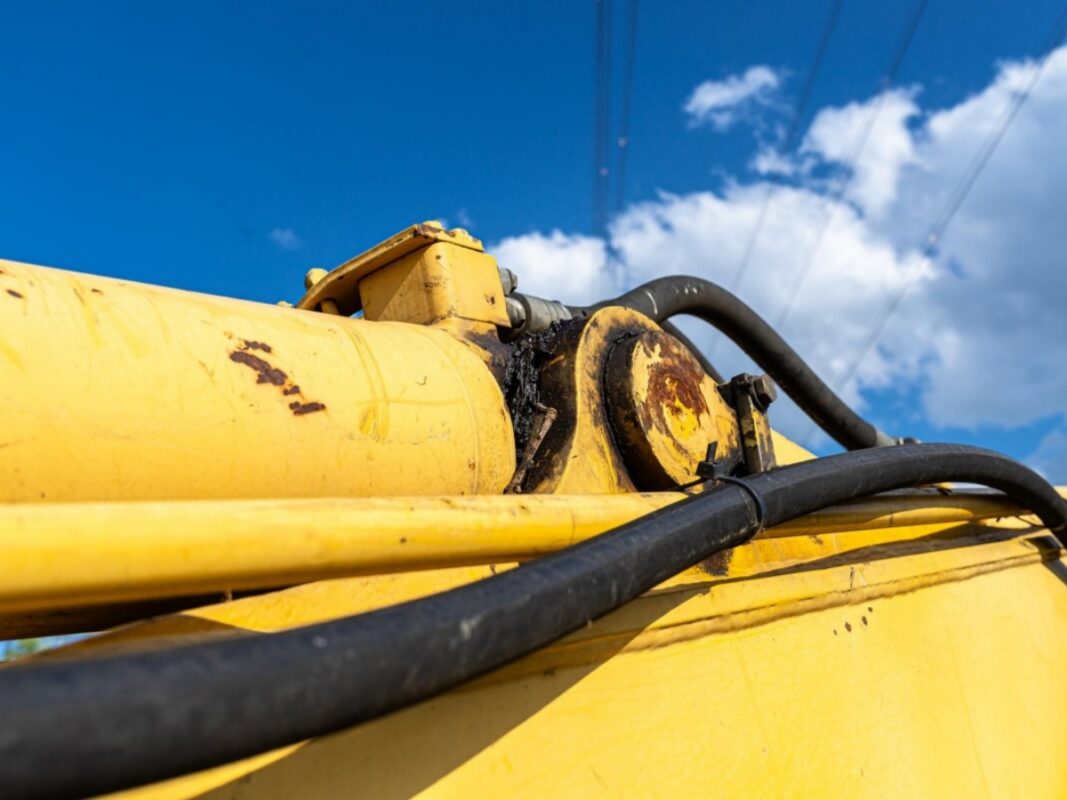
Damaged seals, worn hoses, and cracked fittings may causefluid leakage. Small leaks can quickly become serious operational hazards.
Cylinder Wear
Hydraulic cylindersmay develop scoring, internal leakage, or reduced pressure efficiency over time.
Pump Failure
A wornhydraulic pumpcan reduce lifting speed and overall crane responsiveness.
Contaminated Hydraulic Fluid
Poor maintenance may allow dirt, water, or metal particles to contaminate theSystem ʻoku ʻikai ke ʻi ai ha me, accelerating internal wear.
On olderused cranes, electrical problems are common due to aging wiring, moisture exposure, or unauthorized modifications.
A malfunctioningsafety systemnot only increases accident risk but may also violate local lifting regulations and certification requirements.
Hidden Accident History
One of the biggest dangers in theused crane marketis undocumented accident damage.
Some cranes may have previously experienced:
Overloading incidents
Boom collapses
Rollovers
Transportation accidents
Improper repairs
Sellers sometimes repaint or cosmetically repair equipment without fully restoringstructural integrity.
Always request:
Maintenance records
Inspection certificates
Service history
Previous ownership details
Load test documentation
Downtime Costs Can Eliminate Initial Savings
A cheaper purchase price does not always mean lowertotal ownership cost.
Unexpected breakdowns can lead to:
Project delays
Emergency repair expenses
Rental replacement costs
Lost contracts
Safety liabilities
For companies operating in high-demand construction or infrastructure sectors, equipment downtimemay cost far more than the original savings from buying used equipment.
When Buying Used Makes Sense
Despite the risks, a second-hand truck-mounted telescopic cranecan still be a good investment if:
The crane has a verifiedmaintenance history
Inspections are completed by certified technicians
The equipment comes from a reputable dealer
Replacement parts remain available
The crane has relatively low operating hours
Many buyers successfully operateused telescopic cranesfor years when proper due diligence is performed before purchase.
Final Thoughts
A used truck-mounted telescopic cranecan save money upfront, but hidden structural, Maʻuʻanga Fakamatala, and safety issues may create major long-term costs.
Before purchasing asecond-hand crane, buyers should conduct thorough inspections, verify service history, and evaluate the real condition of theboom system mo e polokalama ʻoku ʻikai ke ʻi ai ha— not just the appearance.
In lifting operations, ala falalaʻanga mo e operational safetyare far more valuable than a lower sticker price.
Choosing the right crane is not only about budget. It is about protecting your operators, your projects, and your business reputation.