NOUNOU
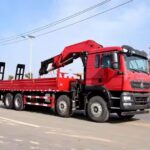
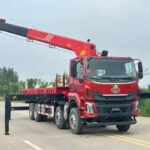
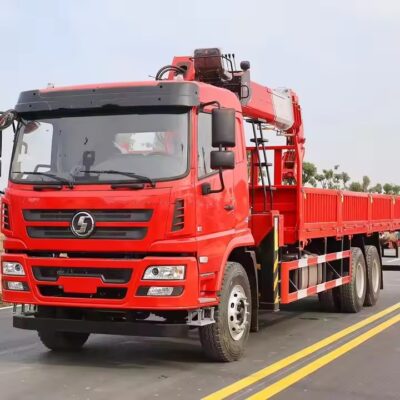
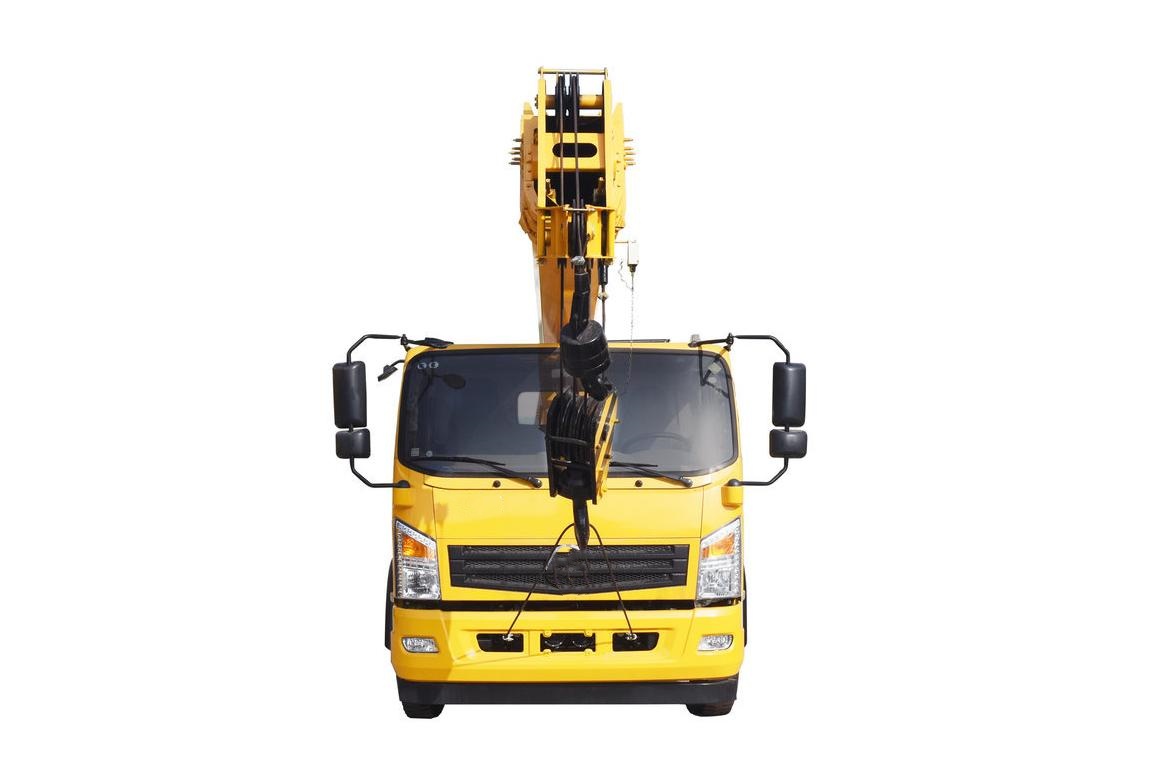
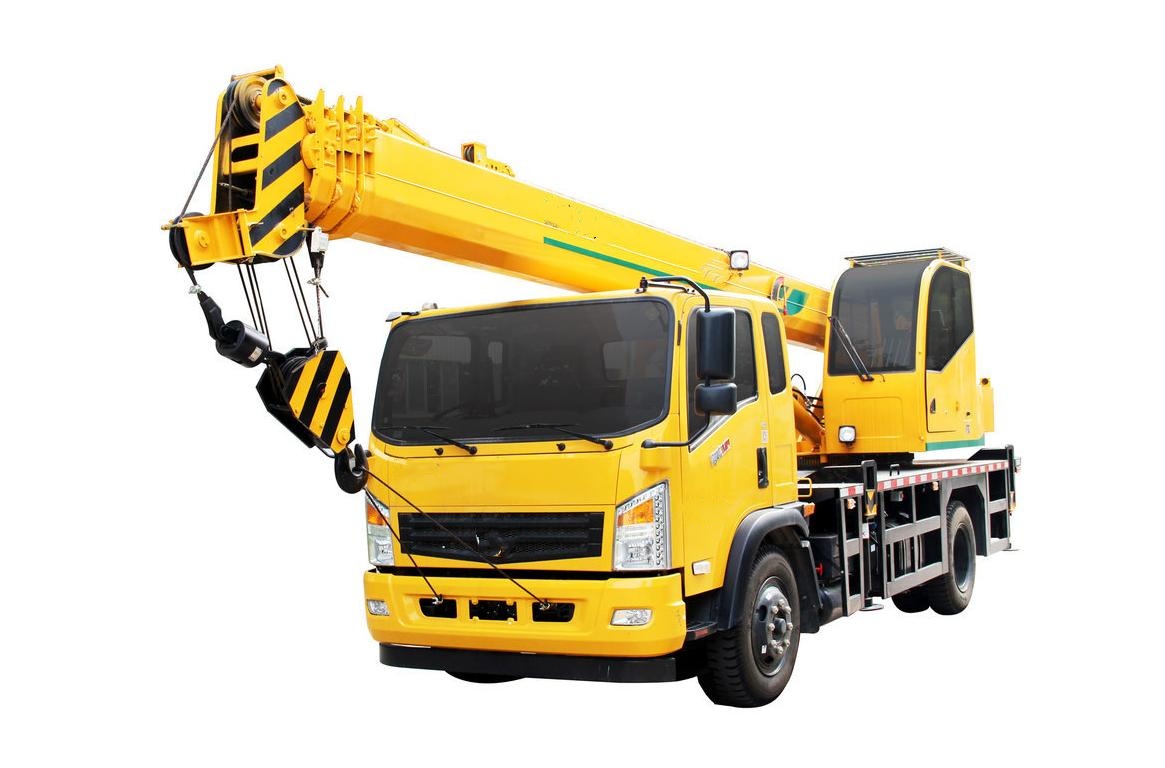
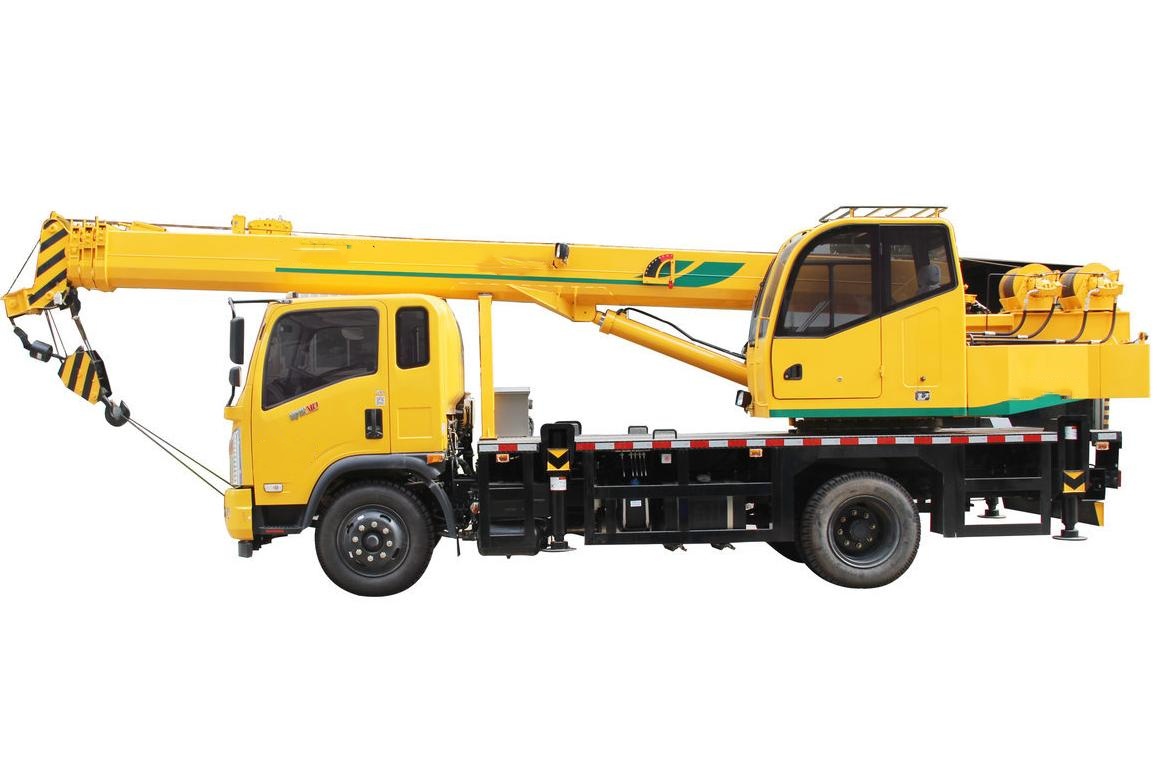
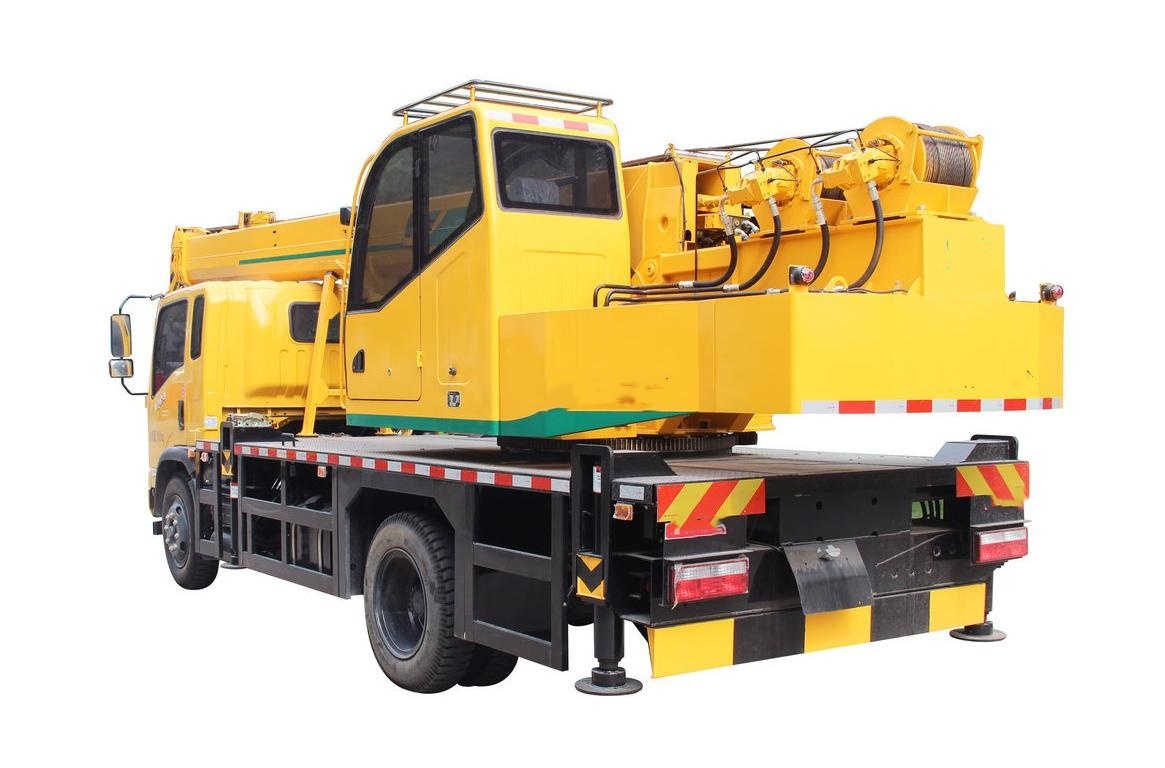
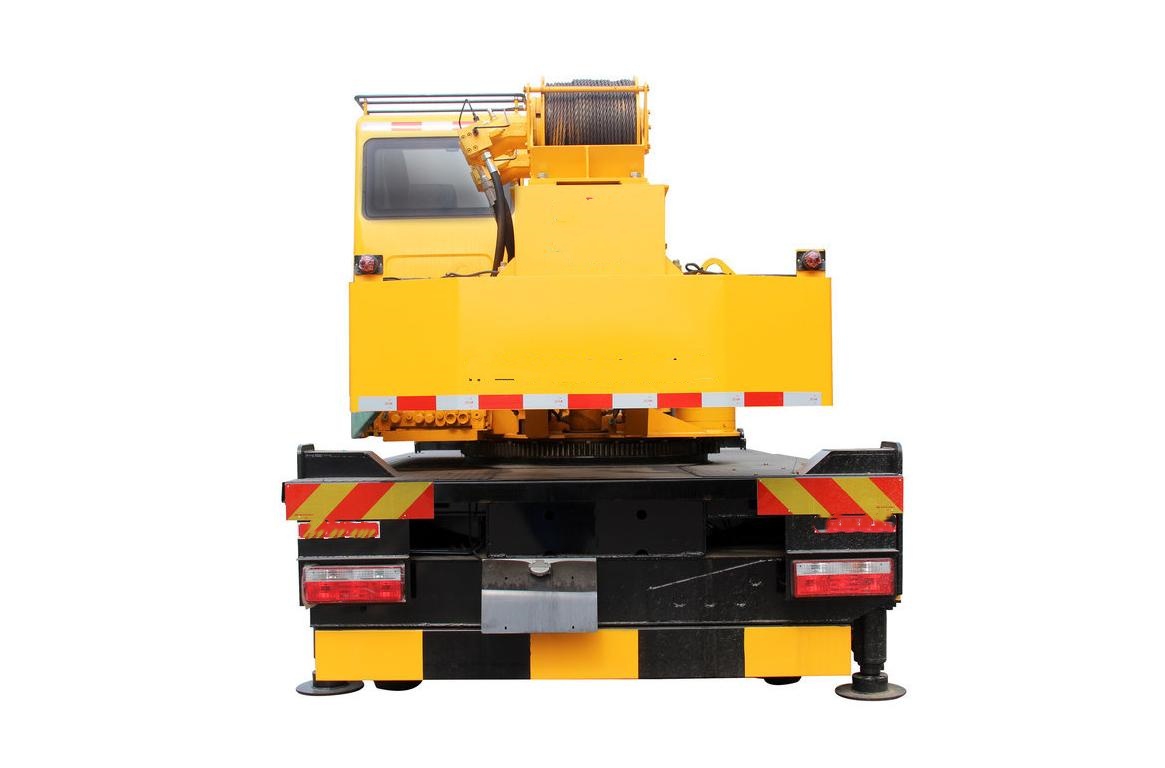
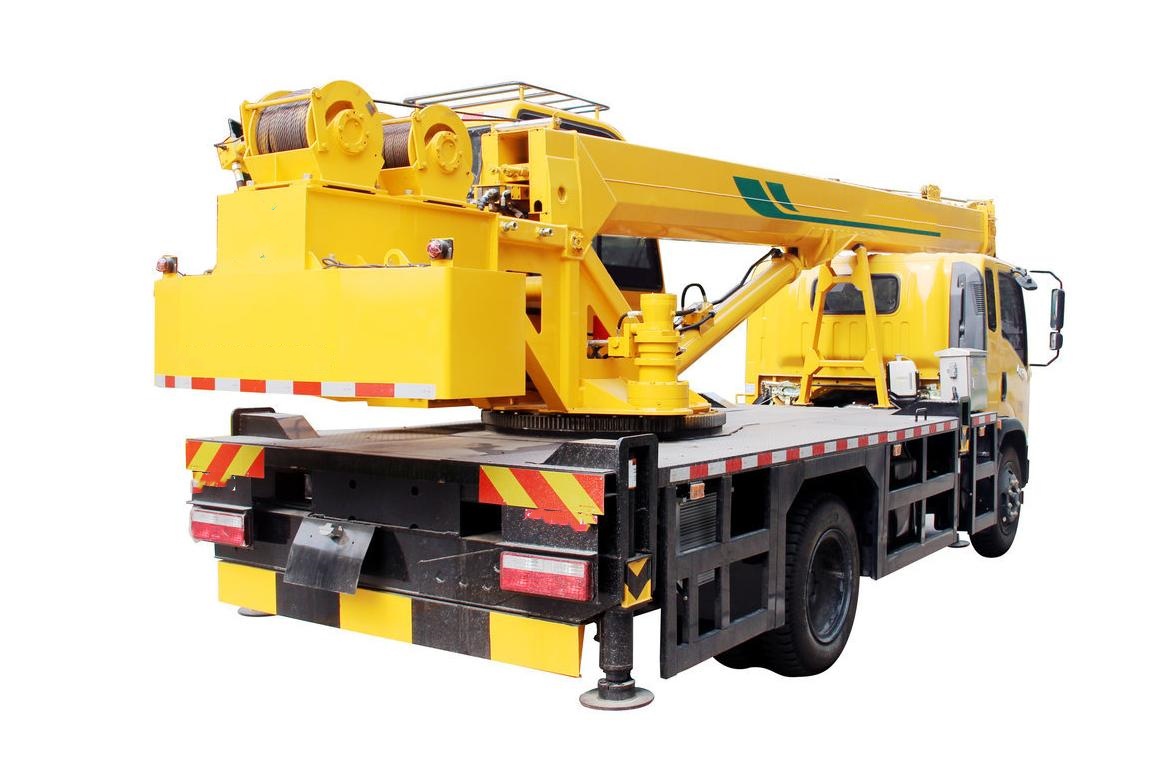
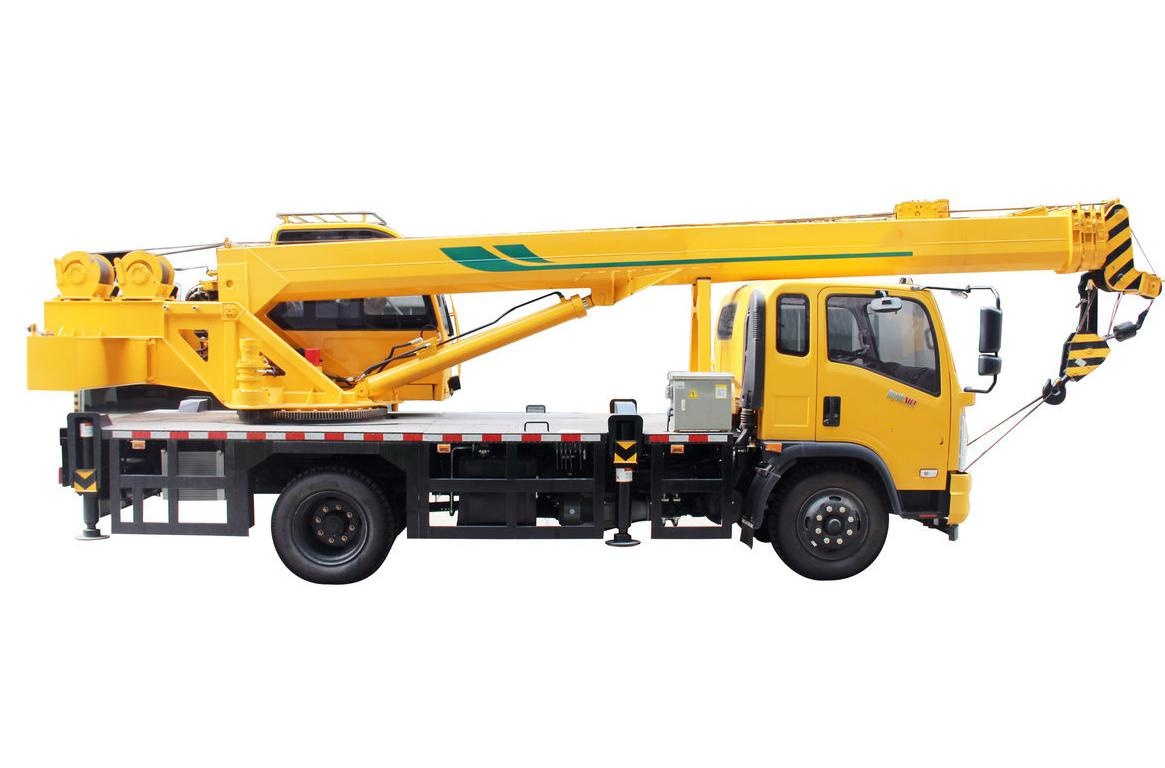
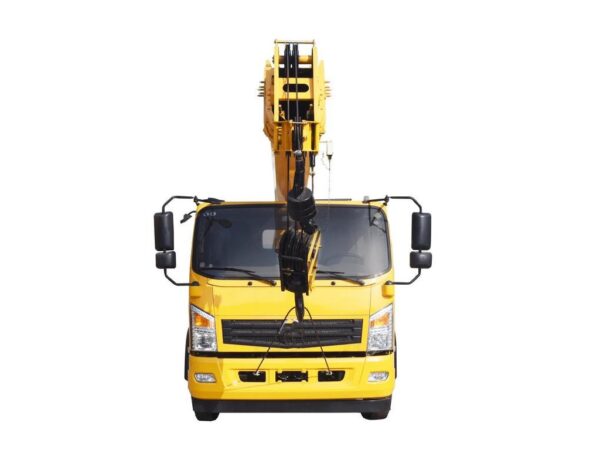
Ko e Huashen T5 140 – Horsepower 4X2 8 – Ton Four – Section Boom Crane is a highly functional and efficient piece of machinery.
1. Power and Performance
- With 140 horsepower, this crane is equipped with sufficient power to handle various lifting and transportation tasks. The power output ensures smooth operation, whether it is moving the vehicle to the job site or performing lifting operations.
- The 4X2 drive configuration provides a balance between traction and fuel efficiency. It is suitable for a wide range of terrains, from relatively smooth roads to more challenging surfaces that might be encountered on construction sites or in industrial areas.
2. Lifting Capacity and Boom Structure
- Boasting an 8 – ton lifting capacity, this crane can hoist a significant amount of weight. The four – section boom is a key feature. The multiple sections allow for adjustable reach, providing flexibility in lifting operations. It can be extended or retracted as needed to reach different heights and distances, making it adaptable to diverse job requirements.
3. Ngaahi feituʻu ʻoku fakaʻaongaʻi
- ʻI he ngaahi ngaue langa, it can be used for tasks such as lifting building materials like steel beams, ngaahi konga sima, and pre – fabricated components. It is also useful for loading and unloading construction equipment at the site.
- ʻI he ngaahi feituʻu lalahi, it can assist in the movement of heavy machinery parts for maintenance or installation purposes. ʻIkai ngata ai, in some cases, it can be employed in infrastructure projects for tasks like lifting and placing components for bridges or other large – scale structures.
4. Maneuverability and Transportability
- The design of the Huashen T5 crane allows for relatively easy maneuverability. Its 4X2 configuration and overall size make it suitable for navigating through construction sites and industrial yards. It can also be transported to different locations without excessive difficulty, which is important for jobs that require the crane to be moved between multiple sites.
5. Operator Comfort and Control
- The operator’s cab is likely designed with comfort in mind. It may have ergonomic seating and controls, allowing the operator to work for extended periods without excessive fatigue. The controls are probably intuitive, enabling the operator to precisely control the crane’s movements, including lifting, swinging, and boom extension or retraction.
NGAAHI FOTUNGA
Ko e Huashen T5 140 – Horsepower 4X2 8 – Ton Four – Section Boom Crane is a remarkable piece of heavy – equipment machinery with a diverse set of features that make it highly suitable for various lifting and transportation tasks.
1. Engine Power and Drive Configuration
- Power Output: With a 140 – horsepower misini, this crane has a significant amount of power at its disposal. This power is crucial for not only the crane’s lifting operations but also for its mobility on different terrains. It provides the necessary force to hoist heavy loads and to drive the vehicle to and from job sites efficiently.
- 4X2 Drive: The 4X2 drive configuration offers a practical balance. It provides enough traction to handle various surfaces, from paved roads to more uneven ground commonly found at construction sites. This drive type also contributes to fuel efficiency, which is an important factor for long – term operation and cost – effectiveness.
2. Lifting Capacity and Boom Characteristics
- 8 – Ton Lifting Capacity: The crane’s 8 – ton lifting capacity is a key feature. It allows for the hoisting of a substantial amount of weight, ʻai ke feʻunga ia ki ha ngaahi polokalama kehekehe. Whether it’s lifting building materials, machinery components, or other heavy objects, this capacity ensures that the crane can handle the task effectively.
- Four – Section Boom: The four – section boom is a highly versatile component. Each section can be extended or retracted independently, providing a variable reach. This flexibility in boom length allows the crane to access different heights and distances. Hange ko ʻeni, it can be adjusted to reach high – rise building floors during construction or to place a load at a specific distance within an industrial site. The boom is also likely constructed with high – strength materials to ensure it can bear the 8 – ton load without structural failure.
3. Structural Stability and Safety
- Sturdy Chassis: The crane is built on a chassis that is designed to provide stability during lifting operations. The chassis distributes the load evenly, reducing the risk of tipping. It is engineered to withstand the forces exerted during lifting, swinging, and transportation of the crane.
- Ngaahi meʻa ʻoku malu: To ensure safe operation, this crane is likely equipped with various safety features. A load moment indicator is probably present, which constantly monitors the relationship between the load being lifted, the boom’s angle, and the crane’s position. This device alerts the operator when the crane is approaching its safe working limits, preventing overloading. Anti – two – block systems may also be in place to avoid the hoist rope from over – winding, protecting the crane and the load from potential damage.
4. Maneuverability and Transportability
- Maneuverability on Site: The Huashen T5 crane is designed for relatively easy maneuverability. Its compact size and 4X2 drive make it capable of navigating through narrow passages and tight corners on construction sites or in industrial areas. This allows it to reach the exact location where lifting is required without causing disruption to other ongoing work.
- Transportability: It can be easily transported to different job sites. The overall dimensions and weight of the crane are likely optimized for transportation on standard trailers or trucks. This transportability is essential for contractors who need to move the crane between multiple projects or job locations.
5. Operator – Focused Design
- Tekisi Fakafiemalie: The operator’s cab is designed with the operator’s comfort in mind. It may feature ergonomic seating, which provides support during long – hour operations. The cab is also likely to have good insulation, protecting the operator from noise and temperature extremes.
- Intuitive Controls: The controls within the cab are designed to be intuitive. The operator can easily manipulate the crane’s functions, such as lifting, swinging, and boom adjustment, using levers, pedals, or other control mechanisms. The controls are likely placed in a logical layout, reducing the learning curve for new operators and enhancing overall efficiency.
FAKAMATALA PAU
| Ngaahi Tefitoʻi Fakamatalá | |
| Overall machine dimensions | length × width × height |
| Wheelbase | 3,650 MM |
| Total counterweight | 12.495 Toni |
| Maximum traveling speed | 80 km/h |
| Maximum gradeability | 30% |
| Approach angle/departure angle | 24/12 mataʻitohi ʻe |
| Fakangatangata ʻo e misini | |
| Sipinga ʻo e misini | Xichai 4DX23 – 140E5 |
| Malohi lahi taha ʻo e Output | 105 kW |
| Rated rotational speed | 2,800 rpm |
| Chassis fakangatangata | |
| Sipinga Chassis | EQ1128GLJ2 |
| Lifting Capacity | |
| Maximum lifting height – basic boom | 25.5 mita ʻe |
| Length of lifting boom – basic boom | 8 mita ʻe |
| Length of lifting boom – fully extended boom | 24.9 mita ʻe |
| Operation Parameters | |
| Outrigger span | longitudinal × transverse |
Ngaahi pou ʻoku fekauʻaki:
Ngaahi Tuʻutuʻuní mo e Tuʻungá
What is a relatively simple and quick method for…
Ngaahi fakatokanga ki he malu ki he taua au lilingi
Fakamatala ki hono tokangaʻi ʻo e malu ʻo e taua au…
Tomuʻa Malu: Ngaahi Fakahinohino ki Hono Fakalele ʻo e…
27 Ngaahi founga maluʻi ki hono fakalele totonu ʻo e hiki hake…
ʻOku fakaikiiki ʻe he au ʻo e loli ʻa e ngaahi fakaikiiki ʻo e kautaha ʻe Hongofulu…
Choose straight boom or folding boom for…


Toe vakaiʻi
ʻOku teʻeki ai ke toe vakaiʻi.