Aerial Work Platforms: Off-Grid Telecom Tower Maintenance Across Sub-Saharan Africa

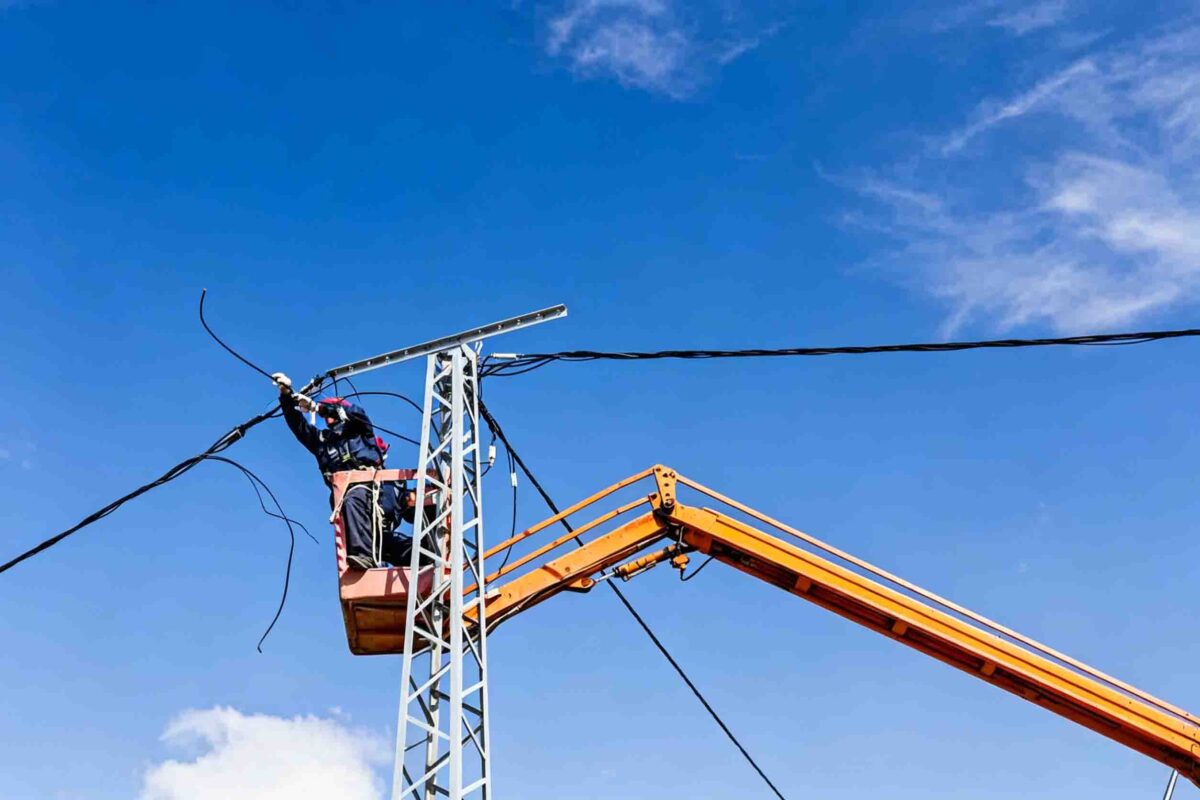
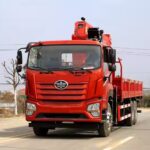
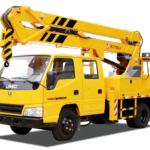
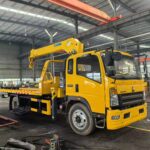
Bucket truck

Aerial work platforms (AWPs)—especially boom lifts, bucket trucks, and tracked “spider” lifts—are becoming essential for off-grid telecom tower maintenance in Sub-Saharan Africa, where traditional infrastructure access is limited and safety/logistics constraints are severe.

Below is a grounded view of how they fit into real-world telecom operations.


Why AWPs matter for off-grid telecom towers

Telecom towers in Sub-Saharan Africa are often:

  • Remote or road-inaccessible
  • Off-grid (diesel + solar hybrid microgrids)
  • Highly uptime-critical (≈99%+ availability targets)
  • Located in harsh terrain (savannah, desert, mountains)

Industry operators increasingly treat each tower as a remote industrial asset requiring scheduled field intervention rather than reactive climbing-only maintenance. Off-grid power constraints and fuel logistics already dominate OPEX, so reducing risky climb time is a major operational lever.

AWPs directly support that shift.


What “aerial work platforms” are used for on telecom towers

1. Antenna and radio maintenance

  • Swapping LTE/5G radios
  • Aligning microwave backhaul dishes
  • Replacing damaged RF components
  • Fiber and feeder cable repairs

AWPs reduce the need for full-body climbs by providing technicians with stable positioning at working height, especially in mid-tower zones.


2. Structural inspections and compliance

  • Bolt integrity checks
  • Corrosion assessment
  • Lightning protection system inspection
  • Load-bearing verification after upgrades

This aligns with formal tower inspection programs that include:

  • ladders, fall protection systems
  • antenna loads
  • non-destructive testing
  • structural condition assessments

AWPs allow inspectors to spend more time working and less time climbing and repositioning.


3. Power system servicing (critical for off-grid sites)

Off-grid telecom towers depend on:

  • solar + battery hybrid systems
  • diesel generator backups (in many legacy sites)
  • remote monitoring systems

AWPs help technicians safely access:

  • top-mounted solar arrays or weather stations
  • battery enclosures on elevated platforms
  • hybrid power control equipment

This is especially important because off-grid towers require high uptime (often ~99%+) with minimal downtime windows.


Why AWPs are especially valuable in Sub-Saharan Africa

1. Safety in high-risk climbing environments

Tower climbing remains one of the most hazardous telecom jobs globally:

  • RF exposure risks
  • fall risk at height
  • fatigue during long climbs
  • weather exposure

AWPs reduce exposure time at height and improve stabilization.


2. Reduced dependence on highly specialized climbers

Certified tower climbers (SPRAT/OSHA-equivalent training) are:

  • expensive
  • scarce in rural regions
  • logistically hard to dispatch repeatedly

AWPs allow smaller maintenance teams to accomplish more per site visit.


3. Faster maintenance cycles for off-grid sites

In off-grid telecom, each visit is costly because:

  • Travel may require off-road vehicles or helicopters in extreme cases
  • Fuel and logistics dominate cost
  • Downtime directly affects network revenue

AWPs compress work time once on-site.


4. Better compatibility with hybrid energy sites

Modern tower deployments increasingly use:

  • solar + battery systems
  • remote monitoring (IoT-based energy management)
  • modular “energy-as-a-service” models

These systems are designed for fewer but more efficient field interventions, which aligns with AWP-based maintenance strategies.


Common AWP types used in telecom tower work

  • Telescopic boom lifts – long vertical reach, good for tall towers
  • Articulating boom lifts – better for obstacle navigation around tower legs and guy wires
  • Bucket trucks (mobile elevated work platforms) – road-accessible sites
  • Tracked spider lifts – critical in off-road African terrain

Spider lifts are especially important because they can be deployed:

  • on uneven ground
  • in soft soil environments
  • in narrow rural access roads

Real operational constraint (important reality check)

AWPs are not a replacement for tower climbing in most Sub-Saharan deployments because:

  • Many towers are in areas with no vehicle access
  • Terrain may prevent lift deployment beyond perimeter roads
  • Some guyed masts require central climb access anyway
  • The logistics cost of moving lifts can exceed the benefit on small sites

So in practice, operators use a hybrid model:

  • AWPs for accessible/high-value sites
  • rope access + climbers for remote or rugged sites
  • drones for inspection pre-checks

Overall trend

Across Africa’s telecom infrastructure sector, the direction is:

  • fewer emergency climbs
  • more planned maintenance visits
  • more mechanized access (AWPs + drones)
  • tighter integration with remote monitoring systems

This is driven by the same forces shaping off-grid tower design: reducing diesel dependence, minimizing site visits, and improving uptime economics.

جواب چھوڑ دو

آپ کا ای میل پتہ شائع نہیں کیا جائے گا. مطلوبہ کھیتوں کو نشان زد کیا گیا ہے *