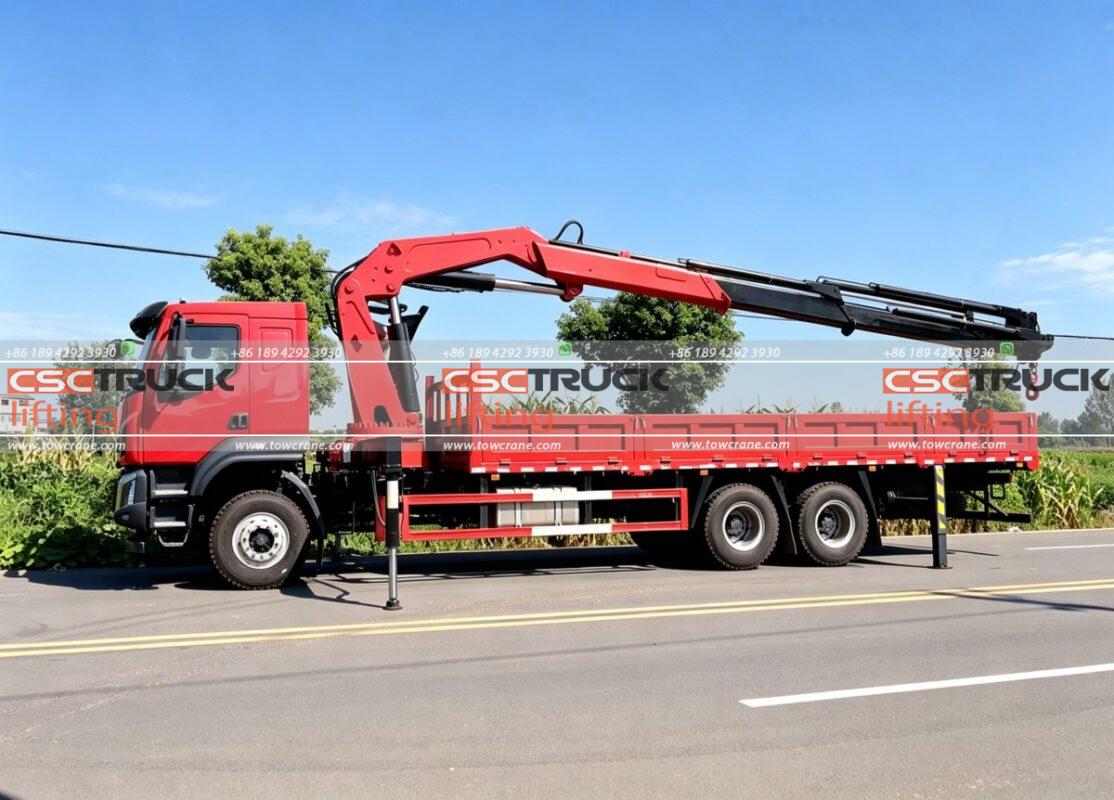
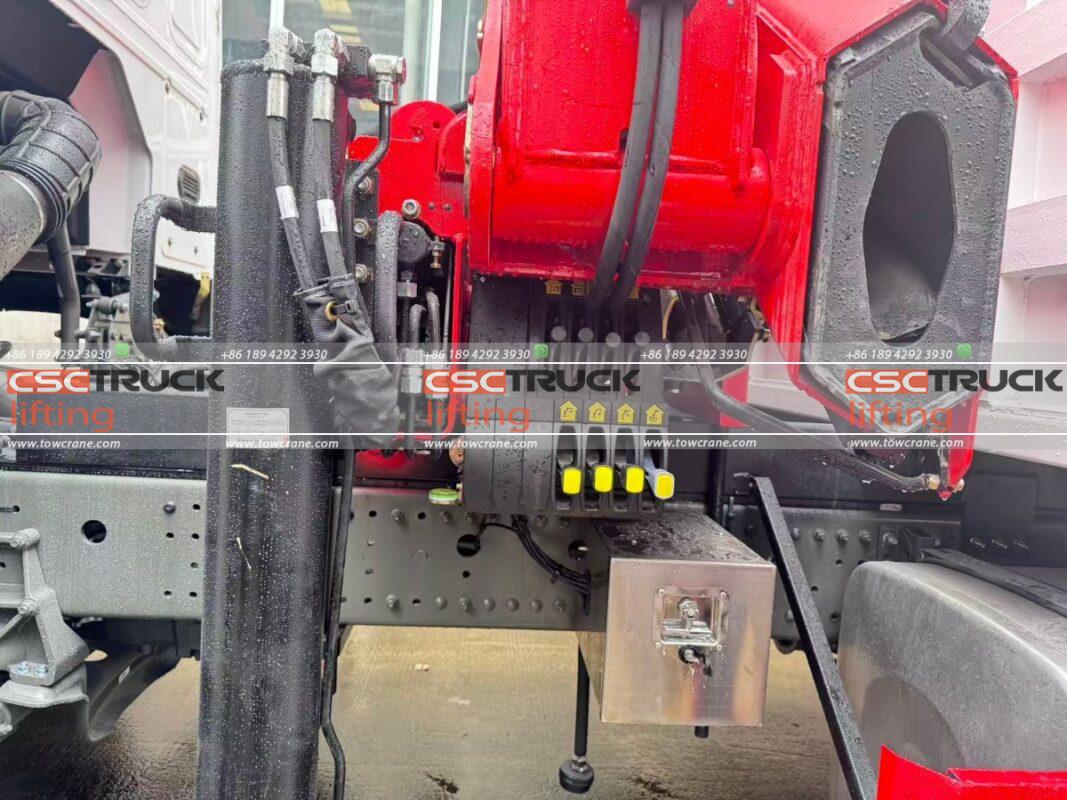
A knuckle boom crane is a versatile lifting machine used in construction, logistics, utility work, infrastructure projects, and industrial operations. Its articulated boom allows operators to lift, move, and position loads with considerable flexibility. However, like any hydraulic lifting equipment, a knuckle boom crane can develop problems through regular use, poor maintenance, improper operation, or component wear.
Many crane problems begin with small warning signs. A minor hydraulic leak, unusual noise, or slower boom movement may seem insignificant at first, but ignoring these symptoms can eventually lead to expensive repairs or unexpected downtime. Knowing the most common problems can help operators identify issues early and keep the crane working safely and efficiently.
Hydraulic Oil Leaks
Hydraulic oil leaks are among the most common problems found on knuckle boom cranes. The crane depends on hydraulic pressure to operate the boom, outriggers, and other lifting functions, so even a small leak can affect performance.
Leaks commonly occur around hydraulic hoses, fittings, connections, and cylinder seals. Continuous movement, vibration, high hydraulic pressure, and aging seals can gradually cause these components to deteriorate.
Typical warning signs include oil around the crane, reduced lifting speed, difficulty holding the boom in position, or visible damage to hydraulic hoses.
Small leaks should not be ignored. Besides reducing hydraulic efficiency, leaking oil can contaminate other components and create additional maintenance problems. Regular inspections can help identify damaged hoses and worn seals before they fail.
Slow or Weak Boom Movement
A boom that moves more slowly than usual or struggles with loads within its rated capacity may indicate a hydraulic system problem.
Possible causes include low hydraulic oil, contaminated oil, a worn hydraulic pump, blocked filters, or internal leakage in hydraulic cylinders. Hydraulic oil that is too cold can also temporarily affect system response.
Operators should first check the hydraulic oil level and condition before investigating more complicated components. If the problem continues, the pump, filters, valves, and cylinders may need professional inspection.
Maintaining clean hydraulic oil and replacing filters at recommended intervals can help maintain consistent lifting performance.
Jerky Boom Movement
A properly functioning crane should raise, lower, extend, and fold smoothly. If the boom moves unevenly or suddenly jerks during operation, the hydraulic system may not be working correctly.
Air trapped inside hydraulic lines, contaminated oil, worn control valves, or inconsistent hydraulic pressure can cause irregular movement. Mechanical wear around boom joints may also contribute to unstable movement.
Jerky operation can make load positioning more difficult and may cause suspended cargo to swing unexpectedly. If the problem appears repeatedly, the crane should be inspected instead of continuing normal heavy lifting.
Worn Pins and Bushings
The articulated boom relies on pins and bushings at its joints. These components allow the boom sections to move while supporting substantial loads.
Because they experience repeated movement and load cycles, pins and bushings naturally wear over time. Insufficient lubrication can accelerate this process.
Signs of excessive wear may include unusual play between boom sections, clicking or knocking sounds, vibration, or visible movement around the joints.
Regular lubrication and inspection are essential. Replacing worn pins or bushings at an early stage can prevent additional damage to the boom structure and connected components.
Outrigger Problems
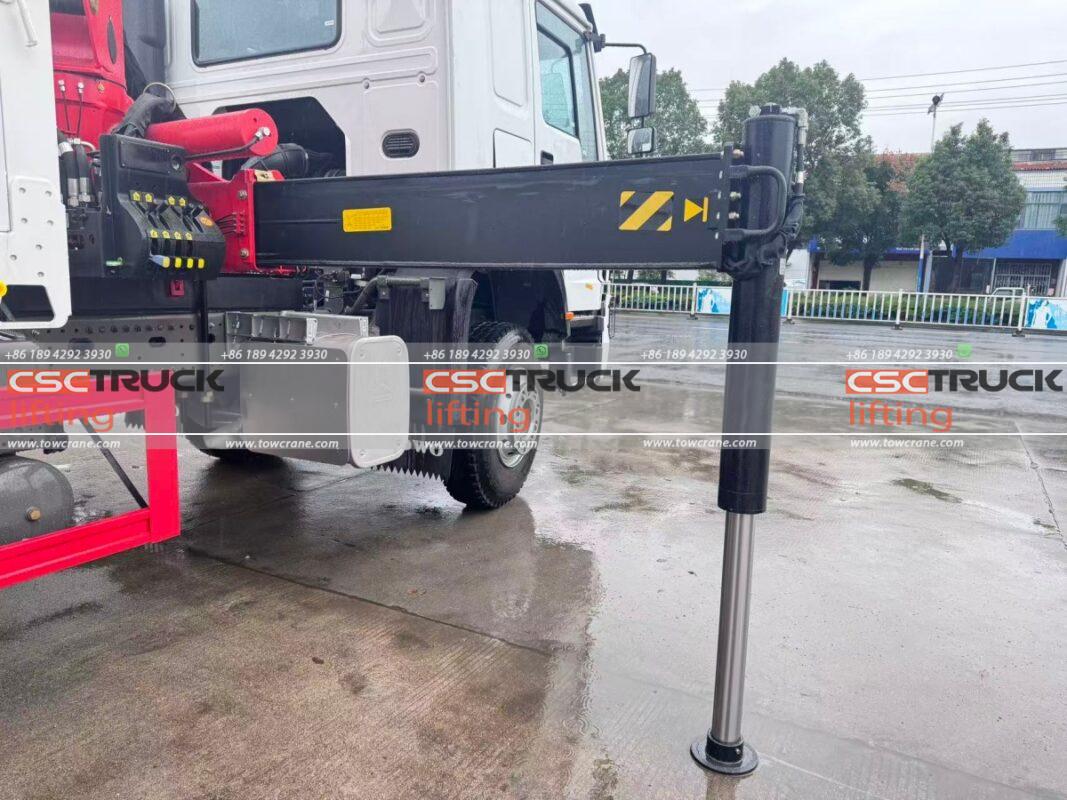
Outriggers provide additional stability when a crane is lifting heavy loads. Problems with the outrigger system can therefore have a direct impact on safe operation.
Common issues include hydraulic leaks, slow extension, uneven deployment, damaged components, or difficulty maintaining pressure.
Operators should inspect the outriggers before lifting, especially when the crane is working on uneven or unfamiliar ground. The support surface should also be capable of carrying the required load.
An outrigger that cannot fully deploy or maintain stable support should be addressed before heavy lifting continues.
Hydraulic Hose Damage
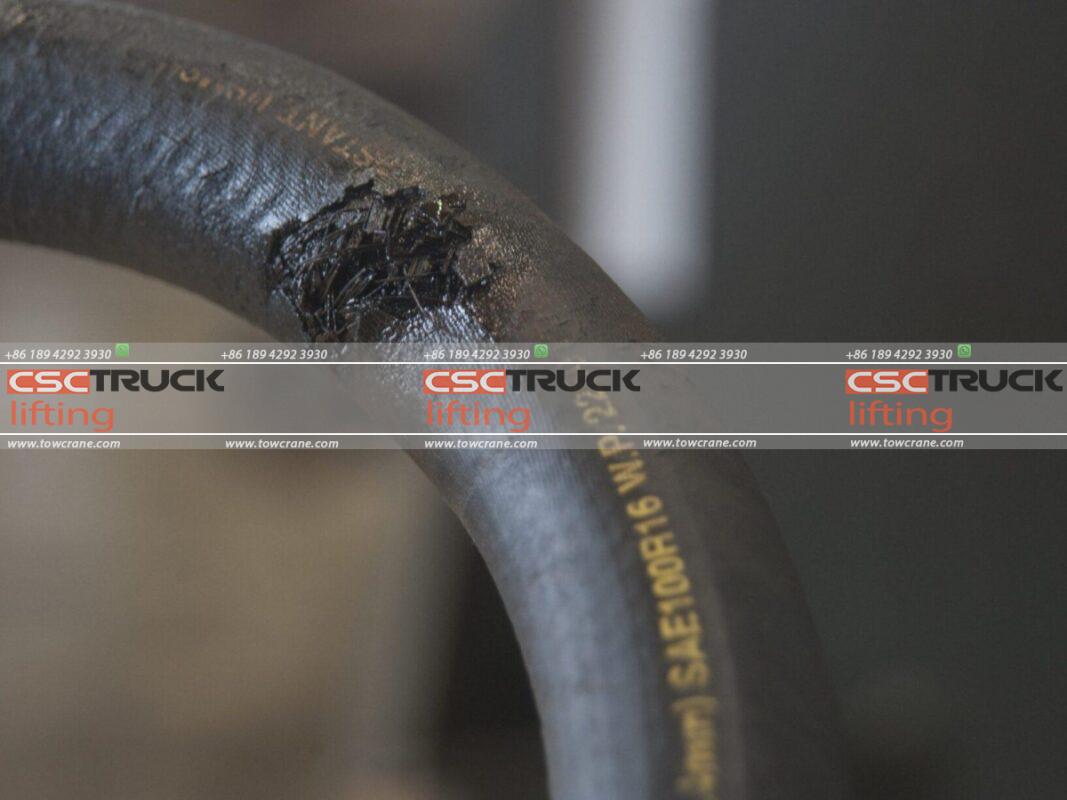
Hydraulic hoses must withstand high pressure while remaining flexible as the crane moves. Over time, repeated bending, vibration, abrasion, heat, and contact with surrounding components can damage the hose.
Cracks, bulges, exposed reinforcement, worn surfaces, and loose fittings are common warning signs. A damaged hose can eventually rupture and cause sudden hydraulic pressure loss.
Routine visual inspections are therefore important. Hoses showing serious wear should be replaced rather than waiting for complete failure.
Control System Problems
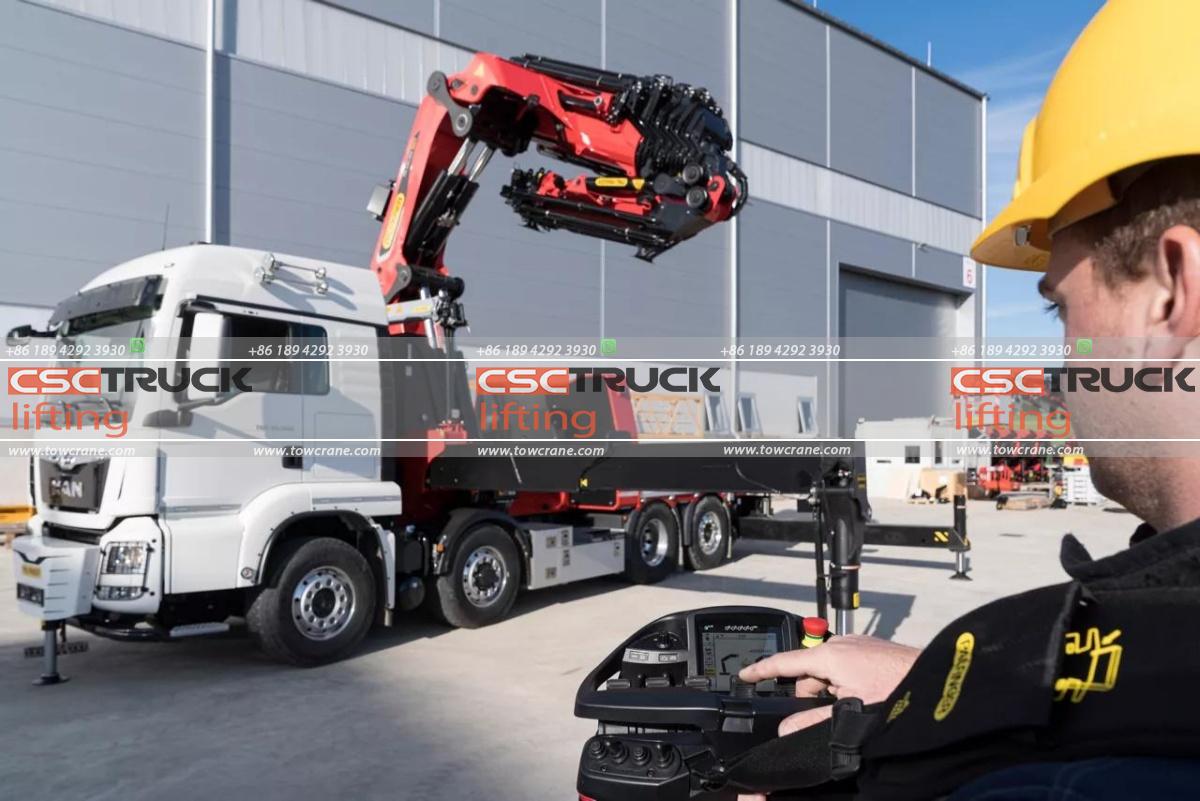
Modern knuckle boom cranes may use hydraulic controls, proportional controls, or remote-control systems. Electrical or control problems can affect the operator’s ability to move the crane smoothly.
Common symptoms include delayed response, unresponsive controls, intermittent remote-control signals, or unexpected changes in crane movement.
Moisture, dust, damaged wiring, loose connectors, and worn switches can all contribute to control problems. Keeping electrical connections clean and checking control components during scheduled maintenance can reduce these risks.
Unusual Noises
New or unusual sounds can provide an early warning that something is wrong.
Squeaking may indicate insufficient lubrication, while knocking can suggest worn pins, bushings, or loose components. Grinding noises may point to mechanical wear, while unusual whining from the hydraulic system may indicate a pump or pressure-related issue.
Operators who use the crane regularly are often the first people able to notice changes in its normal operating sound. Any persistent or increasingly loud noise should be investigated rather than ignored.
Boom Alignment Problems
The boom should move through its designed range smoothly and maintain proper alignment. If one section appears uneven or does not fold correctly, the crane may have a mechanical or structural problem.
Worn joints, damaged components, incorrect maintenance, or previous overloading can contribute to alignment issues.
Misalignment can affect load positioning and place additional stress on the boom and connecting components. If visible deformation or abnormal alignment is found, the crane should be inspected before returning to demanding lifting work.
Overloading and Excessive Stress
Overloading is one of the most serious and preventable causes of crane damage. A load that is within the crane’s capacity at a short radius may exceed the permitted capacity when the boom is extended farther.
As outreach increases, the load creates a greater moment around the crane base. This places additional stress on the boom, hydraulic cylinders, joints, outriggers, and truck chassis.
Operators should always use the crane’s load chart and consider both load weight and working radius. Avoiding overload protects the equipment and helps maintain predictable lifting performance.
How Can Regular Maintenance Prevent These Problems?
Most common knuckle boom crane problems can be reduced through a consistent maintenance program. Operators should check hydraulic oil levels, inspect hoses and fittings, lubricate boom joints, examine pins and bushings, test outriggers, and monitor unusual sounds or vibrations.
Daily inspections are particularly valuable because they allow small problems to be identified before they develop into major failures. Scheduled maintenance should then address wear, hydraulic components, filters, control systems, and other parts according to the crane manufacturer’s requirements.
Proper operation is equally important. Operators should avoid sudden movements, respect rated capacities, deploy outriggers correctly, and select suitable ground conditions before lifting.
When Should Crane Operation Stop?
Some problems require immediate attention rather than continued operation. Significant hydraulic leaks, visible structural cracks, unstable outriggers, unpredictable boom movement, serious control failures, or abnormal noises accompanied by poor lifting performance are all reasons to stop and inspect the crane.
Continuing to operate a crane with a serious fault can increase component damage and create unnecessary safety risks.
For contractors and fleet operators, preventive maintenance is usually far more practical than dealing with unexpected crane downtime. A well-maintained knuckle boom crane truck can provide dependable lifting and transportation support across construction sites, logistics yards, industrial facilities, and infrastructure projects.
At CSCTRUCK Towcrane, we provide truck-mounted crane solutions designed for demanding material-handling applications, with configurations that can be matched to different lifting requirements and operating environments.