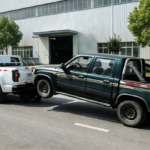
When a vehicle breaks down on a highway, is involved in an accident, or becomes unable to move due to mechanical failure, a fast and reliable recovery solution is essential. In modern roadside assistance and transportation management, the integrated tow truck has become one of the most versatile recovery machines available.
Unlike traditional tow trucks that often require different equipment for different recovery situations, an integrated tow truck combines multiple functions into one vehicle. By integrating a hydraulic boom, wheel lift, winch system, and lifting equipment, it can handle a wide range of recovery tasks with higher efficiency and flexibility.
For towing companies, emergency services, and fleet operators, an integrated tow truck is not just a transport vehicle — it is a complete recovery solution designed for complex roadside challenges.
What Is an Integrated Tow Truck?
An integrated tow truck, also called an integrated wrecker or recovery truck, is a specialized vehicle designed to recover, lift, tow, and transport damaged or disabled vehicles.
The term “integrated” means that several recovery systems are combined into a single platform instead of being installed separately.
A typical integrated tow truck includes:
Hydraulic boom system
Wheel lift mechanism
High-capacity winch
Hydraulic stabilizing legs
Recovery tools and accessories
These systems work together, allowing operators to perform different recovery operations without changing vehicles or adding additional equipment.
This makes the truck suitable for everything from small passenger vehicles to heavier commercial vehicles, depending on the model configuration.
How Does an Integrated Tow Truck Work?
The biggest advantage of an integrated tow truck is its ability to adapt to different recovery situations.
The basic operation process includes several steps:
1. Positioning the Recovery Vehicle
The operator first positions the tow truck near the disabled vehicle while considering safety, road conditions, and vehicle location.
For highway accidents or difficult recovery situations, proper positioning is critical to ensure safe operation.
2. Stabilizing the Truck
Before lifting or pulling heavy loads, the truck uses hydraulic stabilizers to improve stability.
The stabilizers help:
Reduce vehicle movement
Improve lifting safety
Increase operational control
This is especially important when recovering heavier vehicles or vehicles located in challenging positions.
3. Vehicle Lifting and Recovery
Depending on the situation, different systems can be used:
Wheel Lift System
The wheel lift attaches to the vehicle’s tires and raises the front or rear wheels from the ground.
It is commonly used for:
Roadside towing
Parking enforcement
Vehicle transportation
Hydraulic Boom System
The boom provides additional lifting capability and can recover vehicles from more difficult locations.
It is useful for:
Accident recovery
Vehicles stuck in unusual positions
Heavy-duty towing operations
Winch System
The winch uses a strong cable to pull vehicles that cannot move under their own power.
It is commonly used for:
Damaged vehicles
Vehicles stuck in mud
Vehicles in roadside ditches
Why Are Integrated Tow Trucks More Efficient?
1. Multiple Functions in One Machine
The greatest advantage of an integrated tow truck is versatility.
One vehicle can perform:
Vehicle towing
Accident recovery
Emergency roadside assistance
Vehicle relocation
Heavy vehicle rescue
Instead of operating multiple specialized trucks, companies can use one integrated solution for various tasks.
2. Faster Emergency Response
In emergency recovery situations, every minute matters.
A vehicle blocking a highway or major road can create traffic congestion and safety risks.
Because the integrated tow truck combines multiple recovery systems, operators can:
Quickly attach equipment
Recover vehicles faster
Clear roads sooner
This improves emergency response efficiency and reduces disruption.
3. Stronger Recovery Capability
Modern integrated tow trucks use powerful hydraulic systems that provide excellent lifting and pulling performance.
They can handle challenging recovery scenarios such as:
Accident-damaged vehicles
Commercial trucks
Buses
Vehicles in difficult terrain
The combination of boom, winch, and wheel lift systems provides greater flexibility than standard towing vehicles.
4. Lower Fleet and Operating Costs
For towing companies and municipal departments, equipment efficiency is a major consideration.
An integrated tow truck helps reduce:
Number of vehicles required
Equipment investment
Maintenance complexity
Operator training requirements
A single multi-function recovery vehicle can complete more types of jobs, improving overall fleet utilization.
Integrated Tow Truck vs Traditional Tow Truck
Feature
Traditional Tow Truck
Integrated Tow Truck
Recovery Functions
Basic towing
Multiple recovery functions
Equipment Design
Separate systems
Integrated hydraulic system
Operation Efficiency
Standard
Higher flexibility
Recovery Range
Limited situations
Complex emergencies
Fleet Efficiency
Requires more vehicles
One vehicle handles more tasks
Traditional tow trucks remain useful for simple towing operations, but integrated tow trucks provide greater capability for modern recovery demands.
Where Are Integrated Tow Trucks Used?
Integrated tow trucks are widely used in many industries and applications.
Highways and Urban Roads
They support:
Accident cleanup
Vehicle removal
Emergency towing
Fast recovery helps maintain smooth traffic flow.
Police and Traffic Departments
They are often used for:
Removing illegally parked vehicles
Handling accident vehicles
Road management operations
Professional Recovery Services
Towing companies use integrated tow trucks to provide 24/7 roadside assistance.
Commercial Fleets
Large companies operating:
Trucks
Buses
Delivery vehicles
can use recovery trucks to reduce downtime when vehicles fail.
The Future of Vehicle Recovery Equipment
As vehicle ownership continues to grow and transportation networks become more complex, demand for efficient recovery equipment will continue increasing.
Future recovery vehicles are expected to focus on:
Higher lifting capacity
Smarter hydraulic control
Improved safety systems
Better fuel efficiency
The integrated tow truck represents the direction of modern recovery equipment — combining strength, flexibility, and efficiency into one complete machine.
Conclusion: One Truck, Complete Recovery Capability
An integrated tow truck is more than a towing vehicle. It is a powerful recovery platform designed to handle different emergencies with speed and reliability.
By combining towing, lifting, and pulling functions into one machine, it provides a practical solution for towing companies, transportation departments, and emergency response teams.
For modern roadside recovery operations, the integrated tow truck delivers exactly what the industry needs: one vehicle, multiple functions, and reliable performance when it matters most.