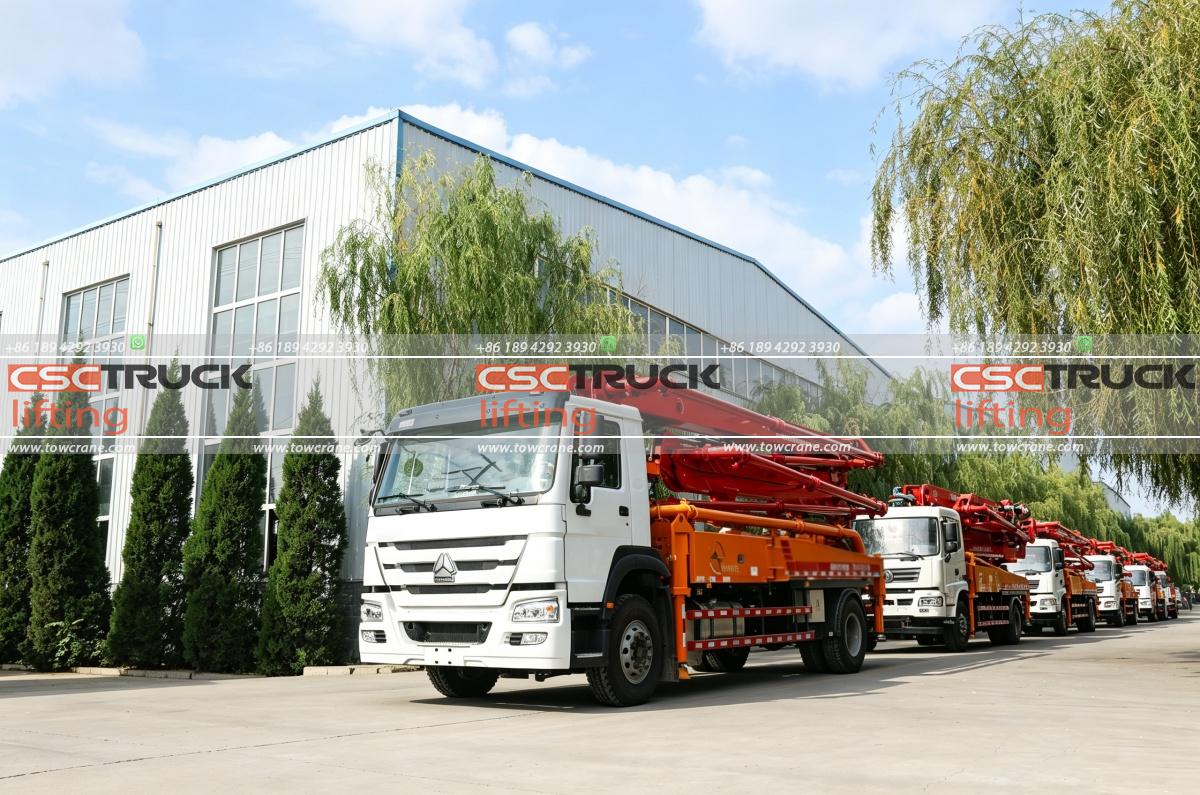
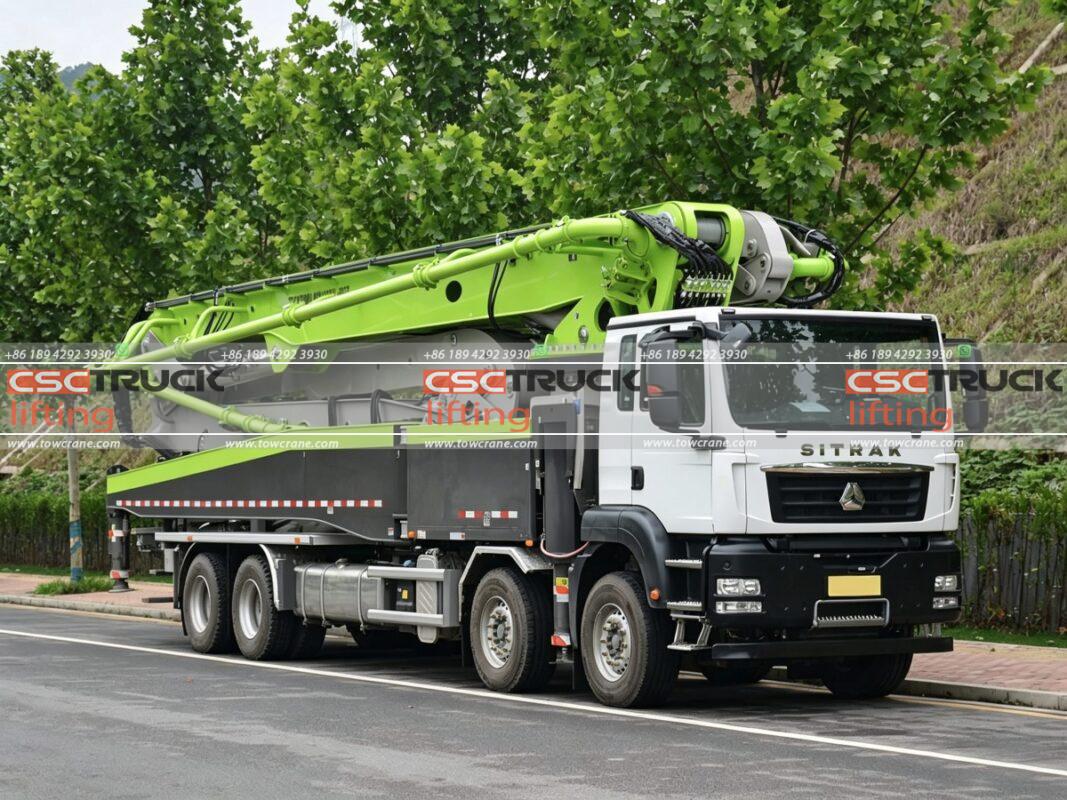
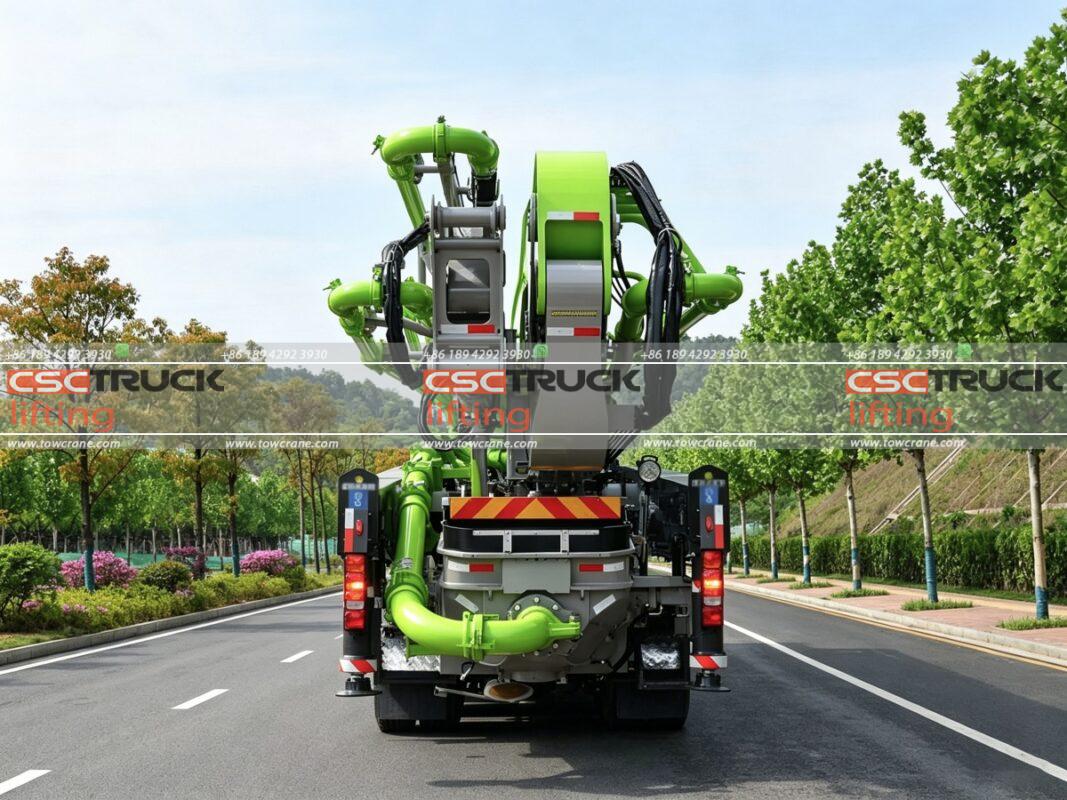
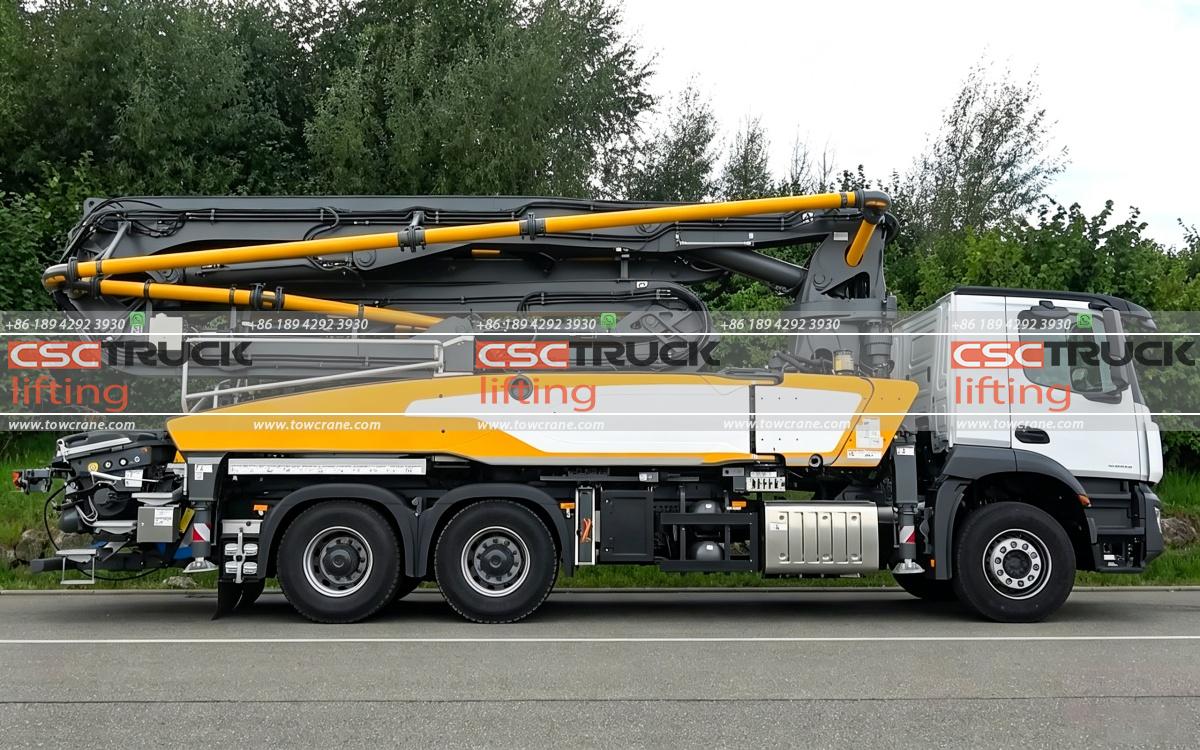
A concrete pump truck is one of the most important pieces of equipment on modern construction sites. By transporting and placing concrete quickly and accurately, it improves construction efficiency and reduces the labor required for traditional concrete pouring methods.
However, like any heavy-duty machine, a concrete pump truck operates under extreme conditions. High-pressure concrete pumping, long working hours, dust, vibration, and heavy loads can gradually wear down key components. Without proper maintenance, even a high-performance concrete pump truck can experience reduced efficiency, unexpected downtime, and expensive repairs.
A well-planned maintenance program helps extend equipment lifespan, improve job site productivity, and ensure safe operation. This guide explains the essential maintenance practices every concrete pump truck operator and fleet manager should know.
Why Is Concrete Pump Truck Maintenance Important?
A truck-mounted concrete pump combines a truck chassis, hydraulic system, pumping unit, and boom structure into one complex machine. Each system must work together smoothly to achieve reliable concrete placement.
Regular maintenance helps:
Prevent unexpected breakdowns
Reduce repair costs
Maintain pumping performance
Improve operator safety
Extend service life of components
Concrete is a demanding material. Once it begins to harden inside pipelines or pumping components, it can cause serious blockages and damage. Routine inspection and cleaning are therefore essential.
1. Maintain the Concrete Pumping System
The pumping system is the core component of a concrete pump truck. It is responsible for pushing concrete through pipelines to the placement location.
Check the Concrete Pump Components Regularly
Important parts to inspect include:
Concrete cylinders
Piston seals
Wear plates
Cutting rings
Hopper system
Delivery pipelines
Wear parts should be checked frequently because continuous contact with concrete creates abrasion. Damaged wear plates or seals can reduce pumping pressure and increase concrete leakage.
Clean the Pump System After Every Operation
Cleaning is one of the most important maintenance steps.
After finishing work:
Remove remaining concrete from the hopper.
Flush the pumping system with water.
Clean delivery pipes and elbows.
Check for hardened concrete buildup.
If concrete residue remains inside the system, it can harden and block pipelines, causing major repair problems during the next operation.
2. Inspect the Hydraulic System
The hydraulic system controls the pumping mechanism and boom movement. It is one of the most critical systems on a concrete pump truck.
Regular checks should include:
Hydraulic Oil Level
Low hydraulic oil can cause:
Slow operation
Increased component wear
Hydraulic system failure
Maintain the oil level according to manufacturer recommendations.
Hydraulic Oil Quality
Over time, hydraulic oil can become contaminated with:
Dust
Water
Metal particles
Dirty oil reduces lubrication performance and may damage hydraulic pumps and valves.
Hydraulic Hoses and Connections
Inspect hoses for:
Cracks
Leakage
Swelling
Loose fittings
Hydraulic failures can stop the entire concrete pumping operation and may create safety risks.
3. Maintain the Boom System
The boom system allows operators to accurately place concrete in different areas of a construction site.
Because the boom experiences continuous movement and heavy loads, it requires careful inspection.
Maintenance tasks include:
Checking boom joints
Lubricating pivot points
Inspecting hydraulic cylinders
Checking structural cracks
Tightening loose bolts
Proper lubrication reduces friction and prevents premature wear.
Operators should also avoid sudden boom movements or exceeding the rated working range, as improper operation can damage the structure.
4. Check the Truck Chassis and Engine
Although the pumping system is the main working component, the truck chassis provides the mobility and power required for operation.
Routine chassis maintenance includes:
Engine Maintenance
Check:
Engine oil
Coolant level
Air filters
Fuel filters
Battery condition
A reliable engine ensures the pump truck can travel between job sites and operate auxiliary systems efficiently.
Brake and Suspension Inspection
Because concrete pump trucks are heavy vehicles, braking performance is extremely important.
Inspect:
Brake system
Suspension components
Tires
Steering system
A properly maintained chassis improves driving safety and stability.
5. Inspect Concrete Pipelines and Accessories
The delivery pipeline directly handles high-pressure concrete flow.
Common maintenance points include:
Pipeline Wear
Concrete continuously moves through pipes at high pressure, causing internal abrasion.
Check:
Pipe thickness
Elbow sections
Couplings
Rubber seals
Elbows usually experience higher wear because concrete changes direction during pumping.
Replace Damaged Accessories
Worn clamps, seals, or pipes should be replaced immediately.
Using damaged pipeline components can lead to:
Concrete leakage
Reduced pumping efficiency
Safety hazards
6. Follow a Preventive Maintenance Schedule
A good maintenance schedule should include daily, weekly, and monthly inspections.
Daily Maintenance
Before operation:
Check oil and fluid levels
Inspect hydraulic leaks
Check tires and brakes
Confirm safety devices
After operation:
Clean the pumping system
Wash concrete residue
Inspect visible damage
Weekly Maintenance
Perform:
Lubrication of moving parts
Hydraulic hose inspection
Pipeline wear inspection
Electrical system checks
Monthly Maintenance
Review:
Hydraulic oil condition
Pumping performance
Boom structure
Engine condition
Preventive maintenance is always cheaper than emergency repairs.
7. Train Operators Properly
Even the best-maintained concrete pump truck can suffer damage from incorrect operation.
Operators should understand:
Correct pumping procedures
Maximum working limits
Cleaning methods
Safety requirements
Warning signs of failure
Common operator mistakes include:
Starting with blocked pipelines
Operating without enough lubrication
Ignoring unusual noises
Overloading the boom
Proper training reduces equipment damage and improves workplace safety.
Common Signs Your Concrete Pump Truck Needs Attention
Fleet managers should take immediate action if they notice:
Reduced Pumping Pressure
Possible causes:
Worn seals
Damaged valves
Hydraulic problems
Unusual Noise or Vibration
May indicate:
Mechanical wear
Loose components
Hydraulic issues
Concrete Leakage
Usually caused by:
Damaged seals
Worn pipelines
Loose connections
Slow Boom Movement
May result from:
Hydraulic oil problems
Valve failures
Pump issues
Early detection prevents small problems from becoming major repairs.
Looking for a Reliable Concrete Pump Truck Solution?
Choosing the right concrete pump truck is essential for improving construction efficiency, reducing downtime, and ensuring smooth concrete placement in demanding projects. Whether for high-rise buildings, infrastructure construction, bridges, or large-scale commercial developments, a reliable pumping solution can make a significant difference in project performance.
CSCTRUCK Towcrane provides professional concrete pump truck solutions designed to meet different construction requirements. With advanced pumping systems, durable truck chassis, and customizable configurations, CSCTRUCK concrete pump trucks deliver reliable performance, easy maintenance, and long-term operating value for construction companies and equipment operators worldwide.
From compact urban construction projects to heavy-duty infrastructure applications, we helps customers select the right concrete pumping equipment to achieve efficient and dependable concrete delivery.