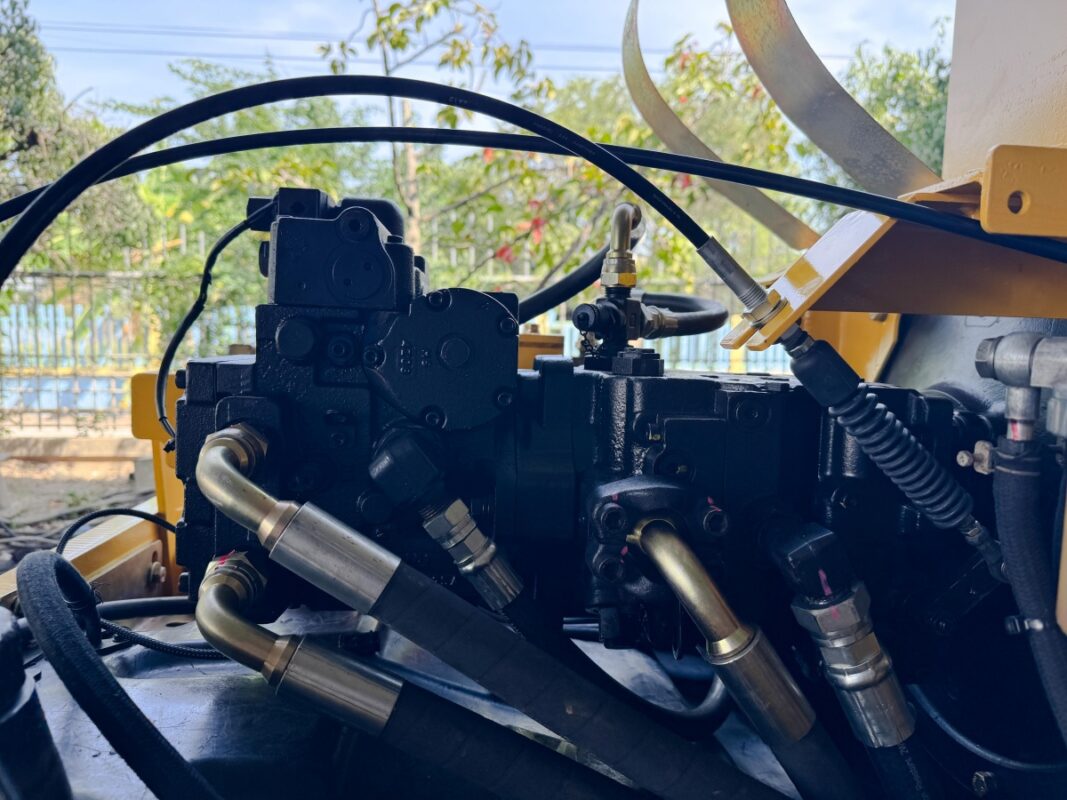
Knuckle boom cranes rely heavily on hydraulic systems to deliver smooth lifting, precise positioning, and reliable performance. However, hydraulic components are constantly exposed to pressure fluctuations, contamination, temperature changes, and heavy-duty operating conditions.
Ignoring early warning signs can lead to expensive repairs, unexpected downtime, and even safety risks. In this article, we’ll discuss five common signs that indicate your knuckle boom crane hydraulic system needs immediate attention, along with potential repair costs and preventive maintenance measures.
1. Unusual Noise from the Hydraulic Pump (Pump Cavitation)
What You May Notice
Whining or rattling sounds from the hydraulic pump
Vibrations during crane operation
Reduced lifting performance
Possible Cause
Hydraulic pump cavitation occurs when air bubbles form and collapse inside the pump due to insufficient oil supply, clogged suction filters, low fluid levels, or air entering the system.
Potential Repair Cost
Issue
Estimated Repair Cost
Replace the suction filter
$50–$200
Repair the air leak
$100–$500
Replace the hydraulic pump
$1,500–$8,000+
Prevention Tips
Check hydraulic oil levels regularly.
Inspect suction lines for loose connections.
Replace filters according to maintenance schedules.
Use manufacturer-approved hydraulic fluid.
2. Jerky or Creeping Movements (Internal Cylinder Leakage)
What You May Notice
The boom movement is not smooth.
Crane drifts when holding a load.
Hydraulic cylinders fail to maintain position.
Possible Cause
Internal cylinder leakage occurs when worn piston seals allow hydraulic oil to bypass inside the cylinder. This reduces system efficiency and causes unstable movements.
Potential Repair Cost
Issue
Estimated Repair Cost
Seal replacement
$200–$1,000
Hydraulic cylinder rebuild
$800–$3,000
New hydraulic cylinder
$2,000–$10,000+
Prevention Tips
Conduct periodic hydraulic cylinder inspections.
Monitor boom holding performance.
Replace worn seals before failure occurs.
Keep hydraulic oil clean to reduce seal wear.
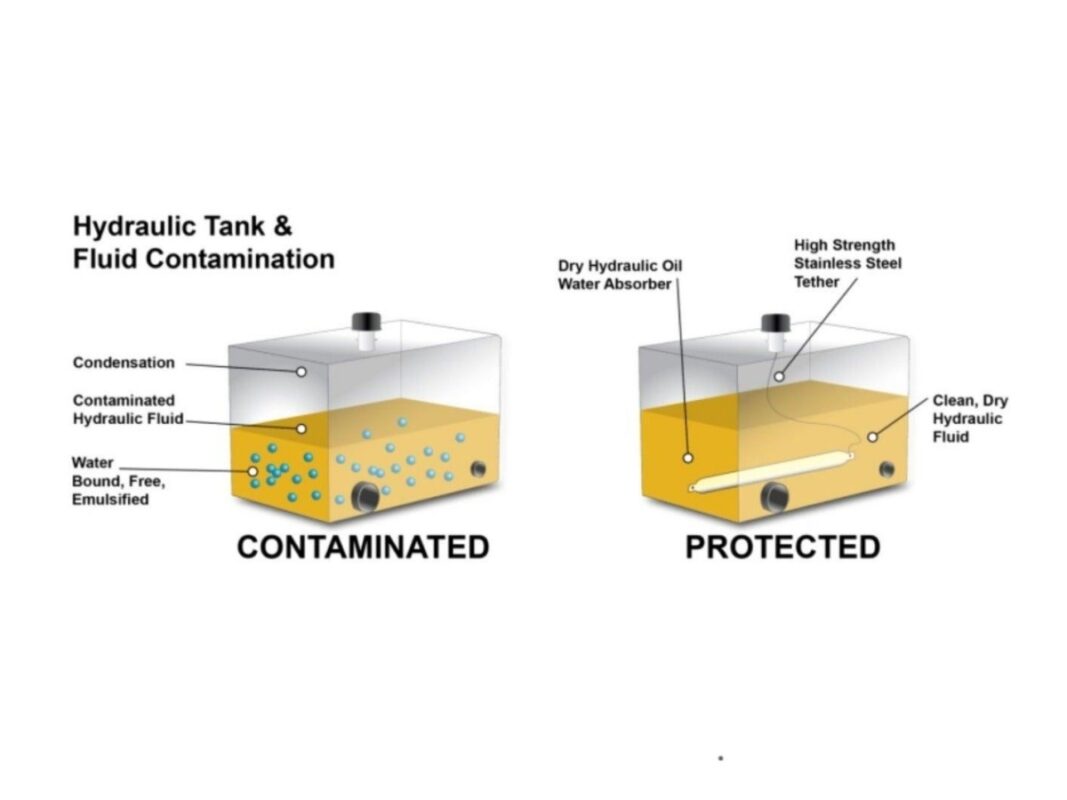
3. Milky Hydraulic Oil (Water Contamination)
What You May Notice
Hydraulic oil appears cloudy or milky.
Reduced lubrication performance.
Increased component wear.
Possible Cause
Water contamination enters the hydraulic system through damaged seals, faulty breathers, condensation, or improper storage of hydraulic oil. Water contamination causes oil emulsification and significantly reduces lubrication effectiveness.
Potential Repair Cost
Issue
Estimated Repair Cost
Hydraulic oil replacement
$300–$1,500
Filter replacement
$100–$500
Major component damage repair
$2,000–$15,000+
Prevention Tips
Inspect tank breathers regularly.
Store hydraulic oil properly.
Perform routine oil analysis.
Replace damaged seals immediately.
4. Visible Hydraulic Fluid Leaks
What You May Notice
Oil spots under the crane.
Wet hoses or fittings.
Gradual loss of hydraulic fluid.
Possible Cause
Hydraulic leaks may originate from worn hoses, damaged seals, loose fittings, cracked tubing, or aging hydraulic components.
Potential Repair Cost
Issue
Estimated Repair Cost
Hydraulic hose replacement
$100–$800
Seal replacement
$50–$500
Major hydraulic line repair
$1,000–$5,000+
Prevention Tips
Perform daily visual inspections.
Replace aging hydraulic hoses proactively.
Tighten fittings according to specifications.
Address small leaks before they become major failures.
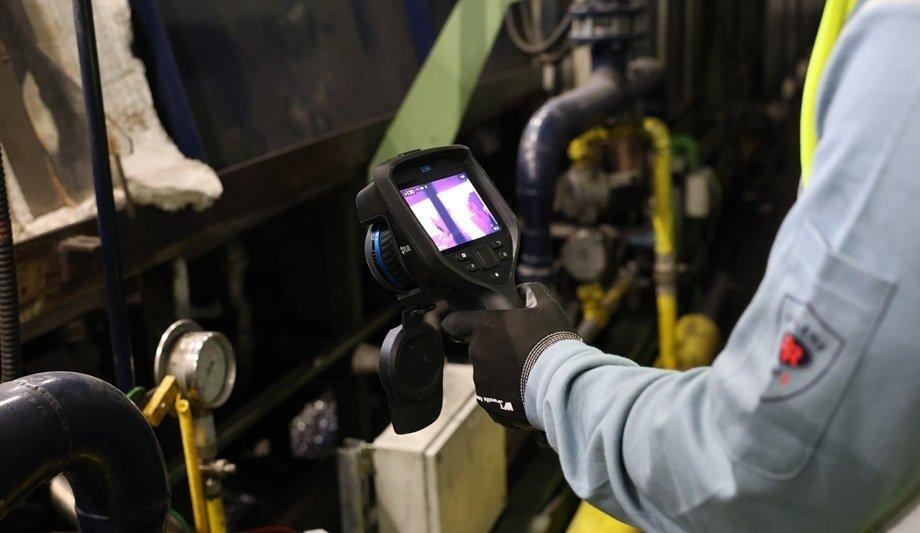
5. Rapid Temperature Rise in the Hydraulic System
What You May Notice
The hydraulic oil temperature rises quickly.
Reduced operating efficiency.
Frequent system shutdowns or alarms.
Possible Cause
Excessive heat can result from contaminated oil, blocked coolers, overloaded operation, internal leakage, or failing hydraulic pumps.
Potential Repair Cost
Issue
Estimated Repair Cost
Cooler cleaning
$100–$500
Hydraulic oil replacement
$300–$1,500
Hydraulic pump or valve replacement
$1,500–$10,000+
Prevention Tips
Monitor operating temperatures regularly.
Clean hydraulic coolers and radiators.
Avoid continuous overloading.
Follow recommended oil change intervals.
Why Preventive Hydraulic Maintenance Matters
Many hydraulic failures begin as minor issues that are inexpensive to fix. A small seal leak, contaminated oil sample, or clogged filter can quickly escalate into hydraulic pump damage, cylinder failure, or extended crane downtime.
Implementing a preventive maintenance program can help:
Reduce unexpected breakdowns
Extend component lifespan
Improve operational safety
Lower total ownership costs
Maximize crane uptime
For fleet operators and crane owners, regular inspections and hydraulic oil analysis are among the most cost-effective investments in hydraulic system reliability.
Final Thoughts
Hydraulic systems are the heart of every loader crane. Paying attention to early warning signs such as pump cavitation, internal cylinder leakage, milky hydraulic oil, hydraulic fluid leaks, and overheating hydraulic systems can prevent costly repairs and keep your equipment operating safely and efficiently.
If any of these symptoms appear, schedule a professional hydraulic system inspection as soon as possible. Early intervention is almost always less expensive than major component replacement and unplanned downtime.