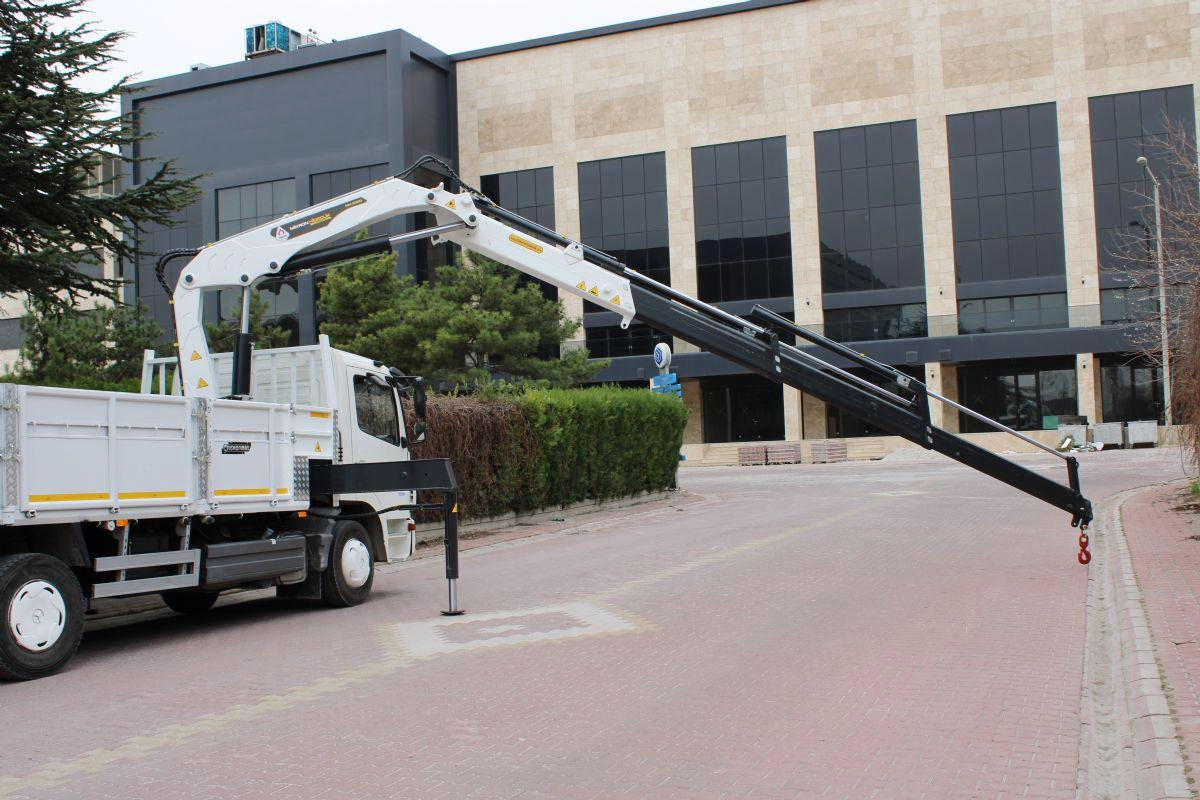
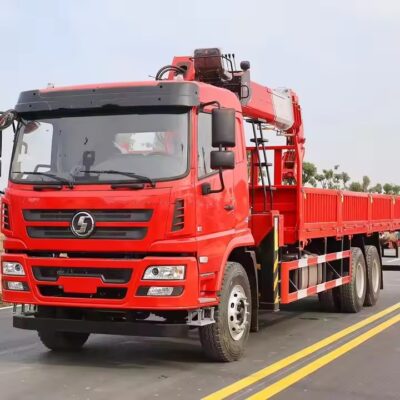
Understanding the Key Factors That Influence Knuckle Boom Crane Truck Prices
For global buyers, price is one of the most important considerations when purchasing a knuckle boom truck. Whether used for construction, logistics, municipal services, energy projects, or heavy lifting operations, the final cost depends on multiple technical and configuration factors.
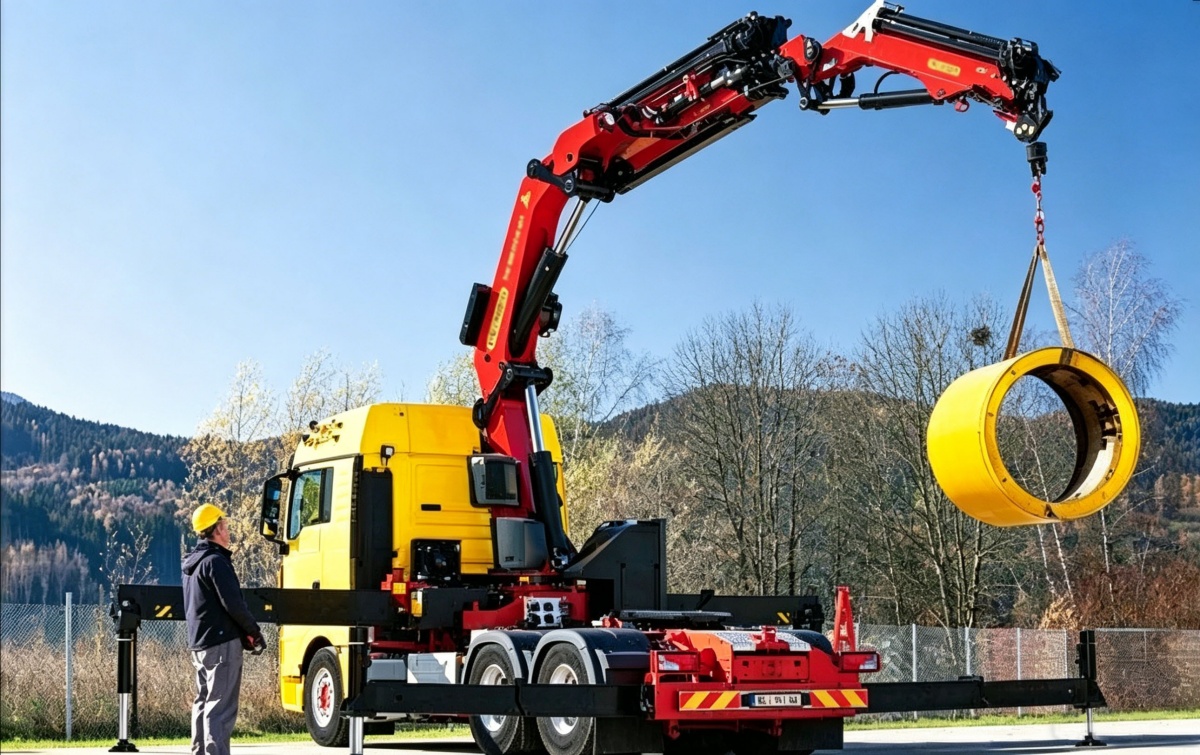
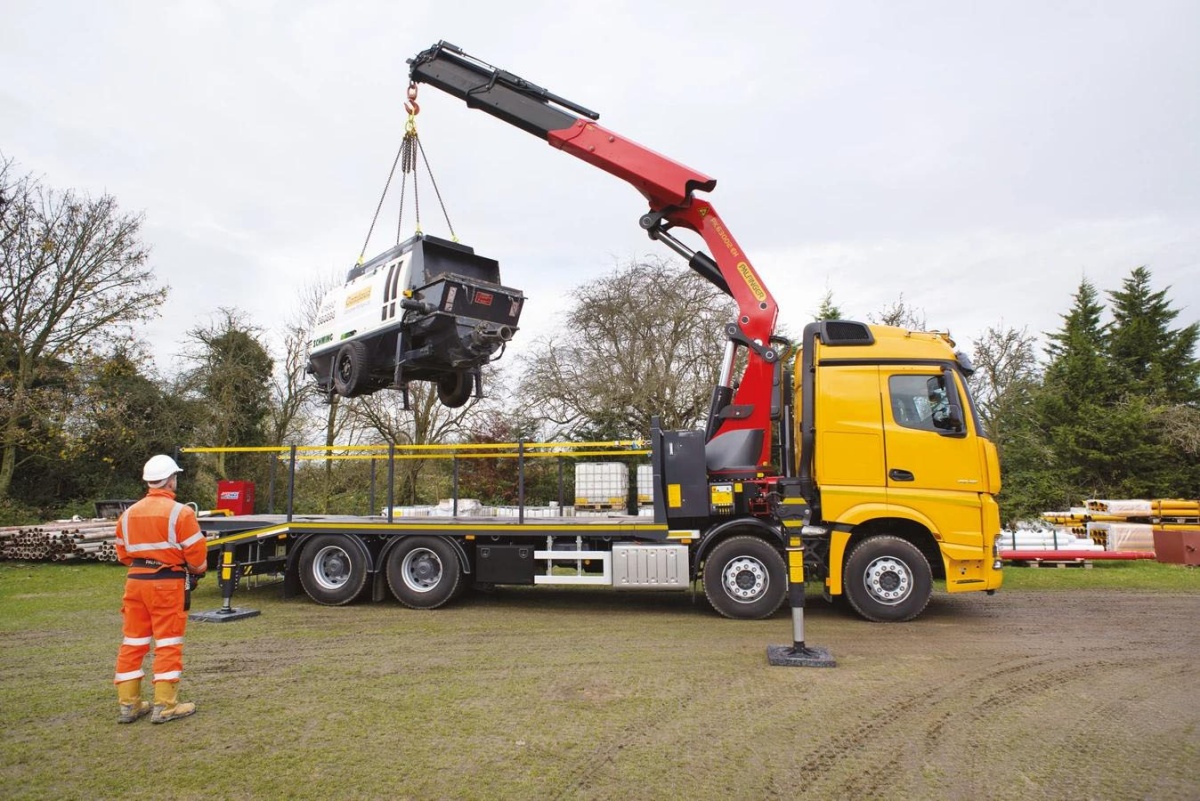
Unlike standard lifting equipment, a knuckle boom crane truck combines a truck chassis, hydraulic crane system, control technology, and optional attachments. Therefore, pricing can vary significantly depending on lifting capacity, boom reach, chassis brand, automation level, and accessories.
In 2026, buyers should evaluate not only the purchase price but also long-term operating efficiency, maintenance costs, and application requirements.
1. Lifting Capacity: The Biggest Price Driver
The most important factor affecting the price of a knuckle boom truck is the crane’s lifting capacity.
Generally, the larger the lifting capacity, the higher the equipment cost.
Common market categories include:
Light-Duty Knuckle Boom Trucks (Below 15 Tons)
These models are currently the mainstream choice for many industries due to their flexibility and cost efficiency.
Typical applications:
Construction material delivery
Municipal maintenance
Equipment transportation
Utility services
The lightweight design provides easier operation and lower investment costs.
Medium and Heavy-Duty Knuckle Boom Trucks
Higher-capacity models are designed for:
Heavy construction projects
Industrial installation
Energy infrastructure
Large equipment handling
For example, 100-ton-class and above knuckle boom cranes require stronger structures, advanced hydraulic systems, and reinforced chassis, resulting in significantly higher prices.
The global average price for 100-ton-plus knuckle boom trucks is around USD 950,000 per unit, depending on specifications and configuration.
2. Boom Length: Longer Reach Means Higher Investment
The boom reach directly affects the complexity and cost of the crane system.
A longer boom requires:
Stronger steel structure
More advanced hydraulic cylinders
Higher-capacity hydraulic pumps
Improved stability systems
A short boom may be suitable for standard lifting tasks, while a long-reach knuckle boom crane is preferred for projects requiring a greater working radius.
3. Chassis Brand: European vs Chinese Options
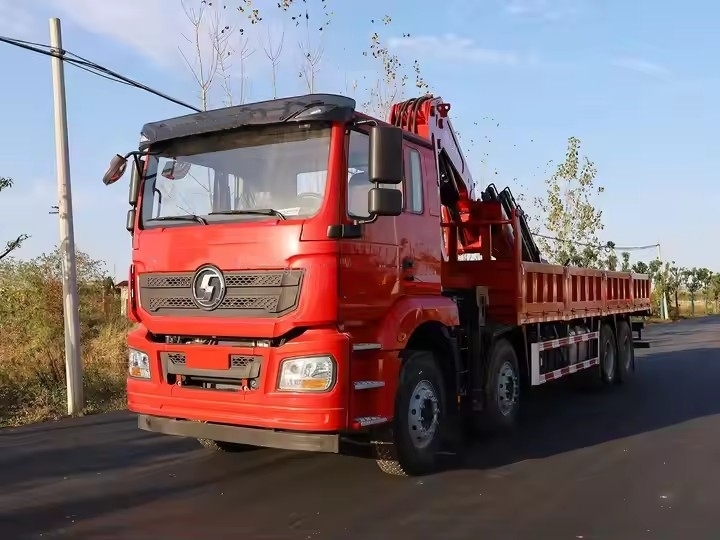
The truck chassis is another major factor influencing the final price of a truck-mounted crane.
Different chassis brands offer different advantages:
European Chassis Brands
Advantages:
Premium engineering quality
Strong durability
Advanced driving comfort
High resale value
However, they usually come with higher purchase and maintenance costs.
Chinese Chassis Brands
Advantages:
Competitive pricing
Easy maintenance
Wide parts availability
Strong cost-performance ratio
For many international buyers, Chinese chassis options provide an attractive balance between investment cost and operational performance.
4. Control System: From Manual Operation to Smart Control
The control system has a direct impact on equipment price and operating experience.
Main options include:
Manual Hydraulic Control
Features:
Simple structure
Lower cost
Easy maintenance
Suitable for basic lifting applications.
Wireless Remote Control
Features:
Improved operator safety
Better visibility during lifting
More precise operation
It is widely used in professional lifting operations.
Intelligent Control System
Advanced systems may include:
Load monitoring
Automatic safety protection
Real-time data feedback
Smart operation assistance
These technologies improve efficiency but increase the overall equipment cost.
5. Attachments and Accessories: Customization Affects Final Price
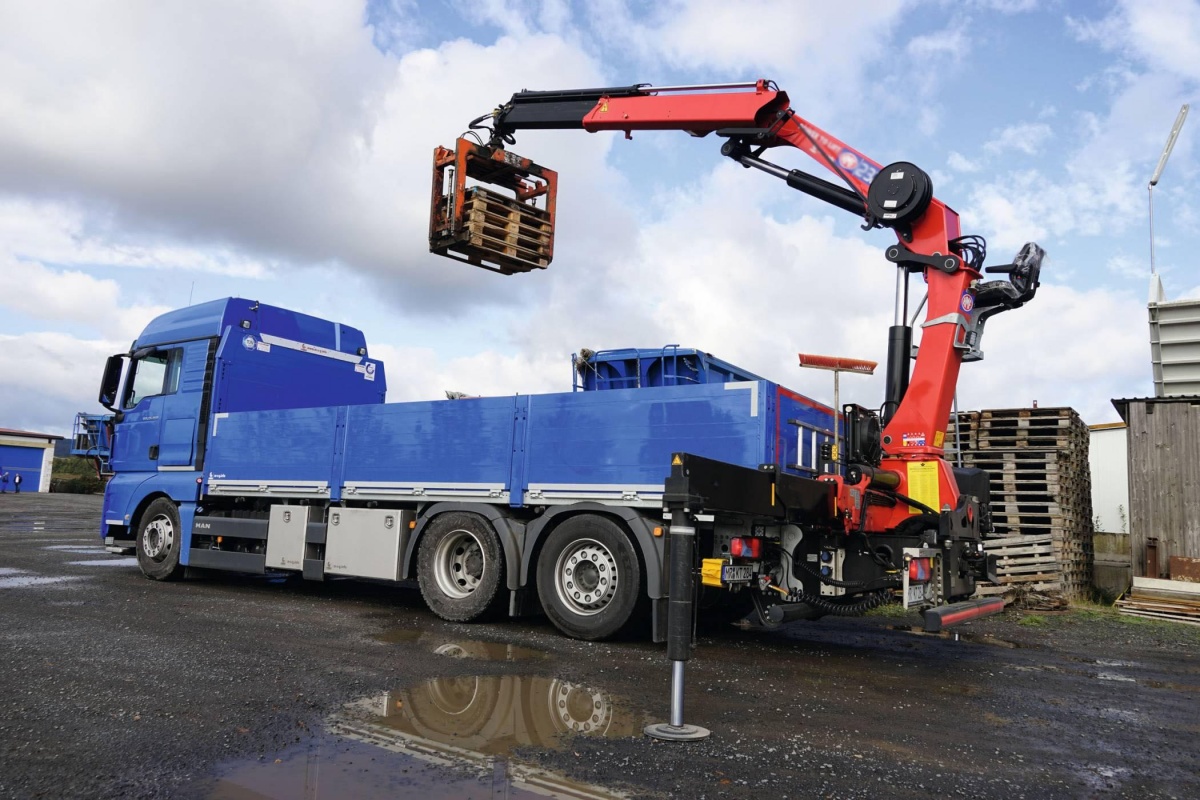
The standard configuration usually includes a lifting hook, but many buyers choose additional knuckle boom crane attachments to expand application capability.
Optional accessories include:
Hydraulic grabs
Pallet forks
Work platforms
Clamshell buckets
Special lifting tools
A customized attachment package increases the initial investment but can significantly improve equipment versatility and productivity.
6. Market Trend: Light-Duty Models Continue to Dominate
The global knuckle boom truck market is becoming increasingly diversified.
Light-duty models below 15 tons remain the market mainstream because they offer:
Lower purchase cost
Easier transportation
Wider application range
Lower maintenance requirements
In 2024, light-duty knuckle boom trucks accounted for approximately 40% of market share, reflecting strong demand from construction, logistics, and municipal sectors.
7. How Global Buyers Should Evaluate Price in 2026
When comparing different knuckle boom truck prices, buyers should consider:
Required lifting capacity
Maximum working radius
Chassis reliability
Hydraulic system quality
Control system features
After-sales service support
The cheapest option is not always the most economical choice. A properly configured crane truck can provide better productivity, lower downtime, and higher return on investment.
Conclusion
The price of a knuckle boom truck in 2026 depends on a combination of technical specifications, chassis selection, automation level, and customization requirements.
From compact light-duty crane trucks to large 100-ton-class lifting machines, global buyers have a wide range of options.
By understanding the impact of lifting capacity, boom length, chassis brand, control system, and attachments, buyers can select the right equipment solution for their specific application and achieve the best long-term value.