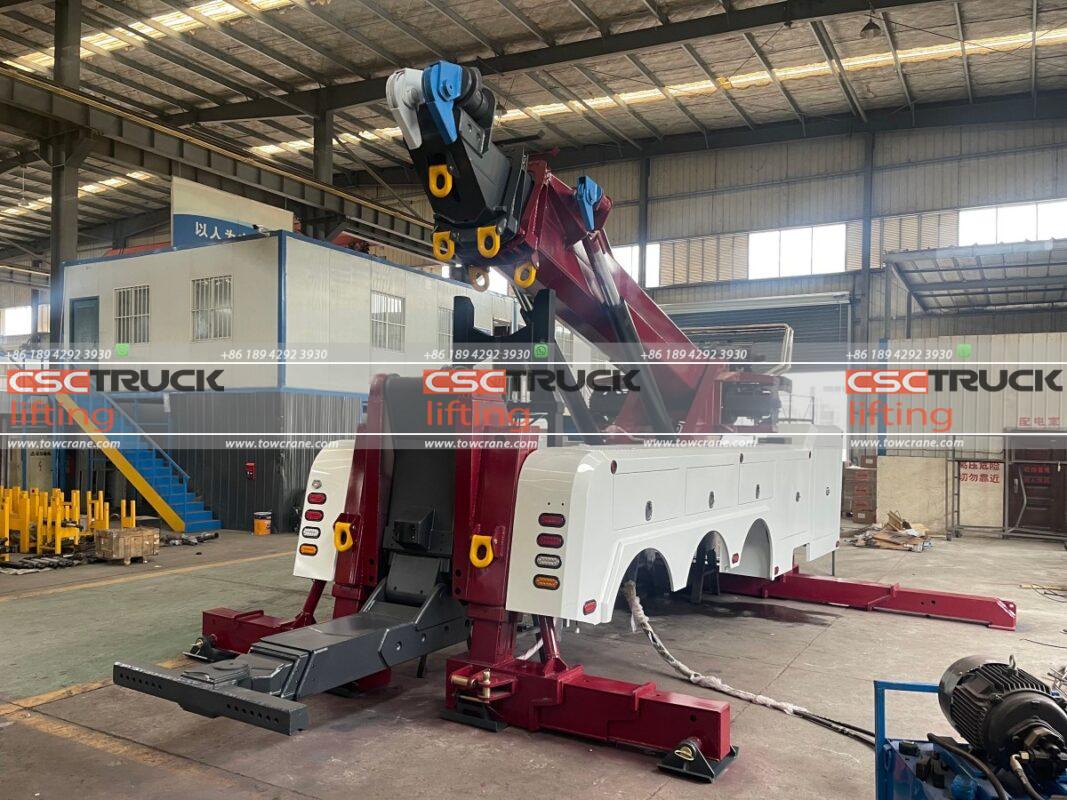
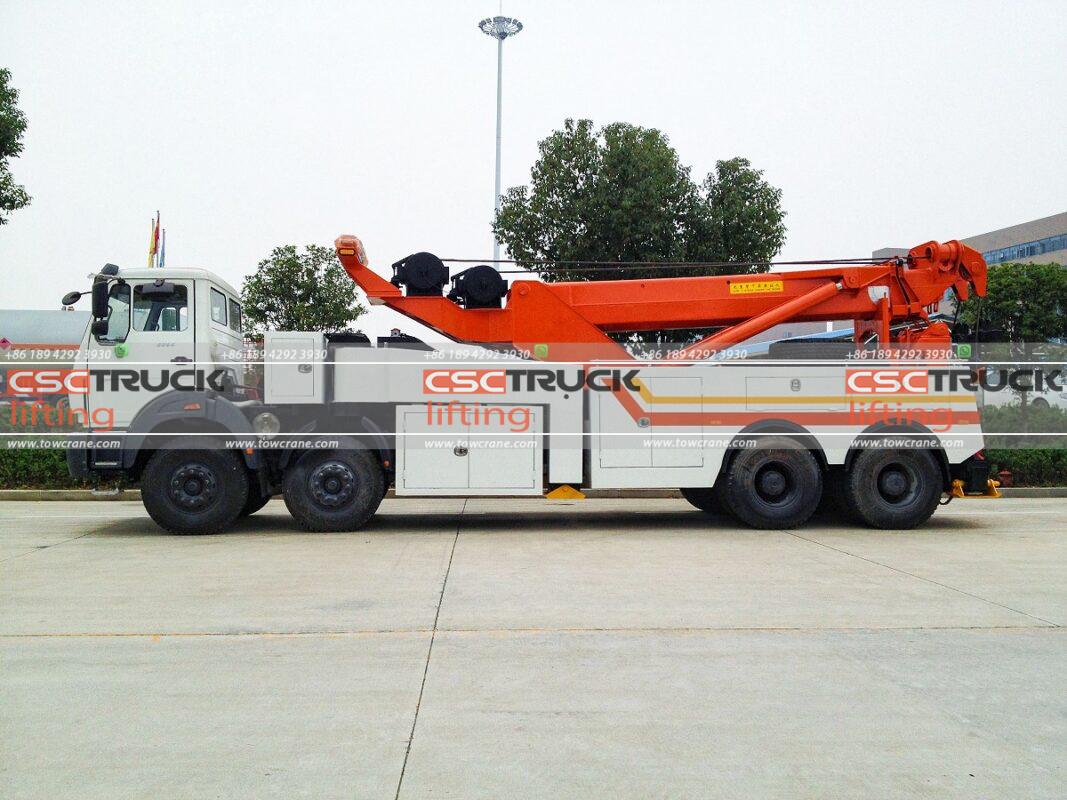
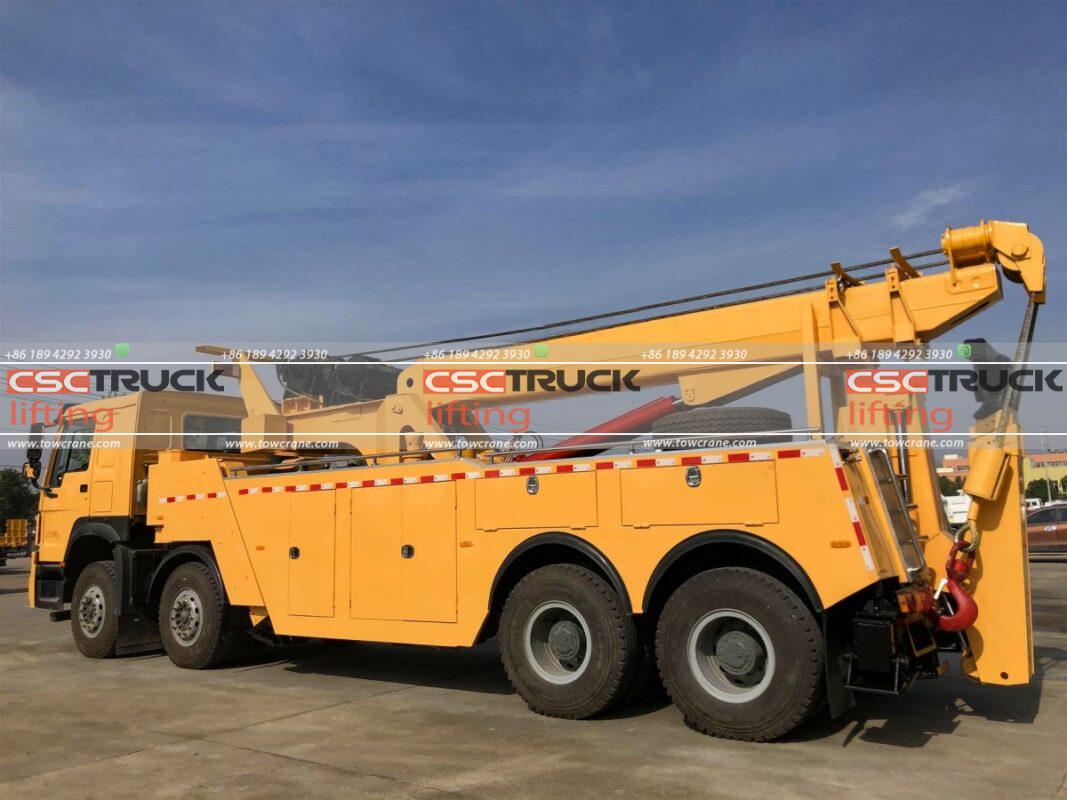
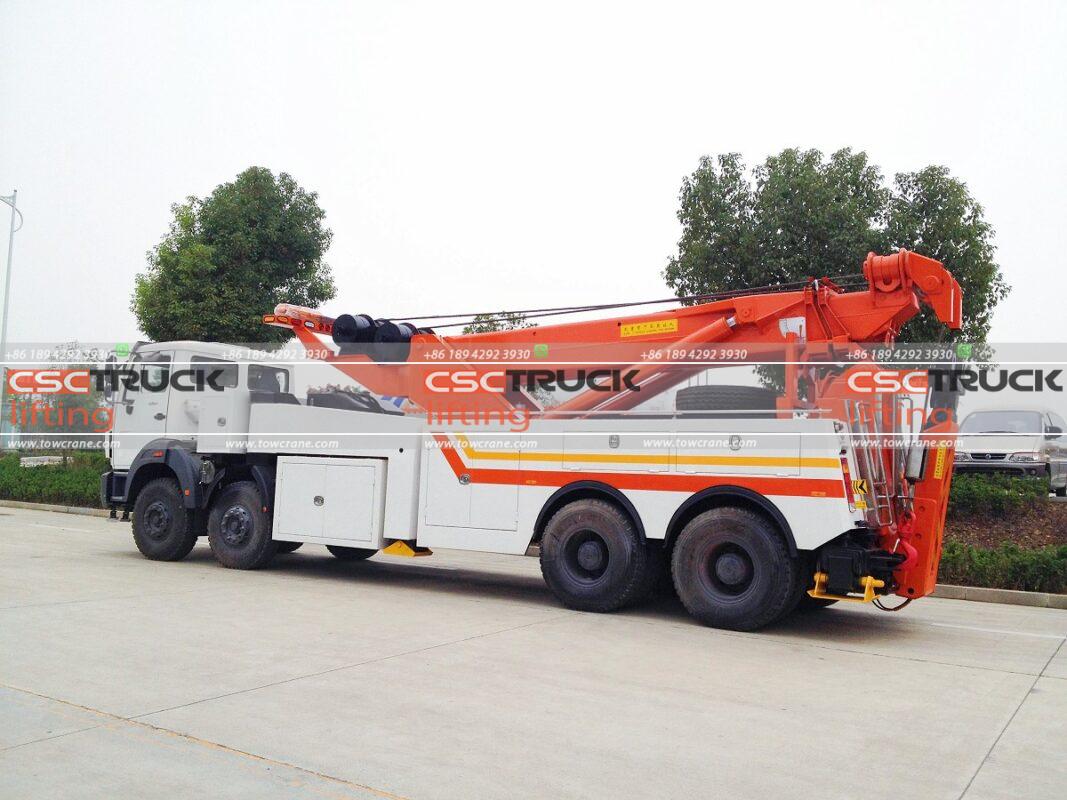
A rotator tow truck is one of the most capable vehicles for heavy-duty recovery. With a rotating boom, powerful winches, hydraulic outriggers, and a heavy-duty chassis, it can recover overturned trucks, buses, trailers, construction equipment, and other large vehicles in difficult situations.
However, like any heavy-duty recovery machine, a rotator tow truck can develop problems after prolonged use, demanding recovery operations, poor maintenance, or incorrect operation. Understanding the most common rotator tow truck problems can help operators identify issues early, reduce downtime, and improve recovery safety.
From hydraulic pressure loss to winch problems and electrical faults, here are the main issues operators should watch for.
1. Hydraulic System Problems
The hydraulic system is one of the most important systems on a rotator tow truck. It powers the rotating boom, lifting mechanism, outriggers, winches, and other hydraulic functions.
Common hydraulic problems include low hydraulic pressure, slow boom movement, hydraulic oil leaks, overheating, and irregular movement.
Low pressure may prevent the boom from reaching its rated lifting performance. A leaking hydraulic hose or damaged seal can also reduce system efficiency and create a safety risk.
Hydraulic oil contamination is another common issue. Dirt, water, or metal particles inside the hydraulic system can damage pumps, valves, and cylinders.
Regularly checking the hydraulic oil level, inspecting hoses and fittings, and replacing filters according to the manufacturer’s maintenance schedule can help prevent major failures.
2. Rotator Boom Problems
The rotating boom is the defining feature of a rotator tow truck, allowing the operator to position a heavy load around the recovery vehicle.
Problems with the boom may include slow rotation, unusual noise, excessive movement, hydraulic cylinder leakage, or difficulty holding a load in position.
Boom problems can result from hydraulic system faults, worn pins and bushings, damaged cylinders, or excessive loading.
Operators should pay particular attention to unusual sounds, vibration, or changes in boom movement. If the boom does not move smoothly, the truck should be inspected before performing another heavy recovery operation.
It is also important to operate the boom within its specified lifting capacity and working radius. The lifting capacity of a rotator can change significantly depending on how far the boom extends and where the load is positioned.
3. Winch Problems
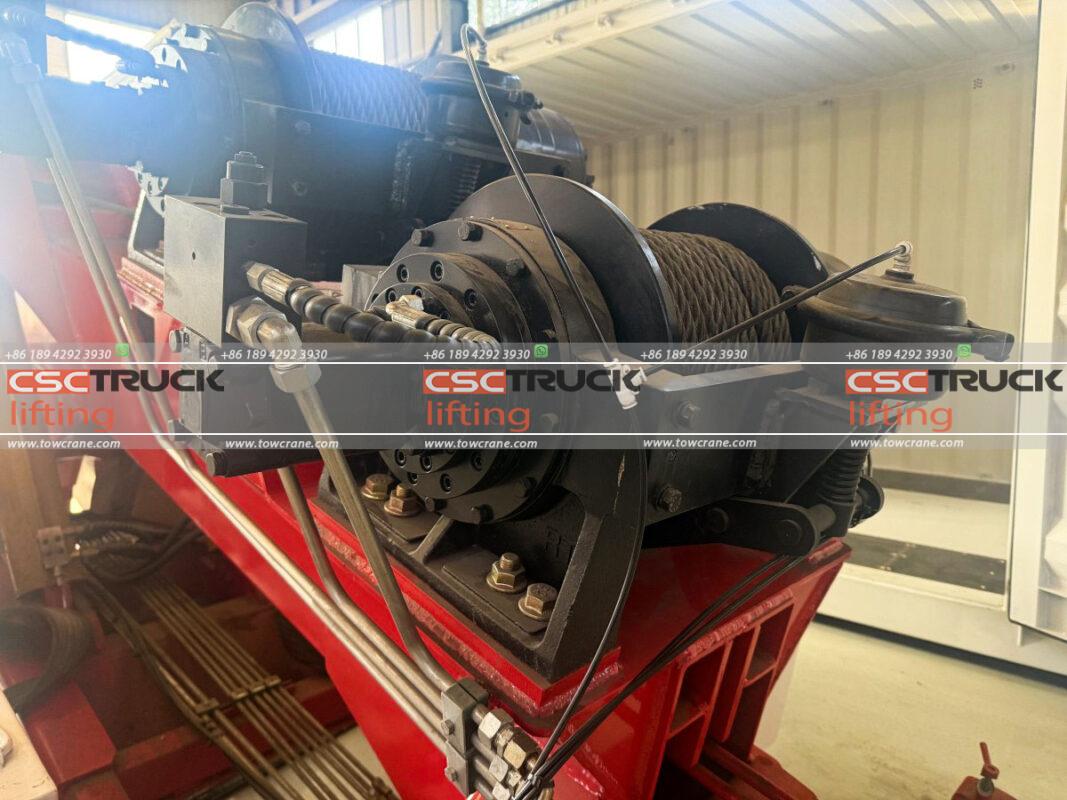
Heavy-duty rotator tow trucks commonly use one or more hydraulic winches to pull and recover disabled vehicles. Winch problems can significantly affect recovery performance.
Typical issues include slow winch operation, reduced pulling force, cable damage, uneven cable winding, and hydraulic motor problems.
The wire rope is particularly important because it is directly exposed to high loads. Broken wires, kinks, corrosion, crushing, or severe wear can weaken the cable.
Operators should inspect the winch cable before and after demanding recovery operations. The cable should be properly wound onto the drum and replaced when it reaches the manufacturer’s rejection criteria.
Hydraulic winch motors and control valves should also be checked if the winch suddenly loses pulling power or operates inconsistently.
4. Outrigger and Stabilization Problems
Hydraulic outriggers provide stability when a rotator tow truck performs heavy lifting. They distribute the load and help prevent excessive movement of the chassis during recovery.
Common rotator tow truck outrigger problems include slow extension, hydraulic leaks, uneven deployment, damaged cylinders, and difficulty maintaining pressure.
If an outrigger does not fully deploy or cannot maintain hydraulic pressure, the truck may not have the required stability for a heavy lift.
Before recovery begins, operators should ensure that all outriggers are correctly positioned on suitable ground. Outrigger pads should also be used when necessary to distribute ground pressure.
Stabilization equipment should never be treated as an optional feature during heavy recovery. Proper deployment is essential for safe operation.
5. Electrical and Control System Faults
Modern rotator tow trucks often use electrical controls, sensors, displays, and safety systems to monitor and control hydraulic functions.
Electrical problems may appear as unresponsive controls, warning lights, sensor errors, intermittent signals, or communication faults between control modules.
A weak battery, damaged wiring, loose connectors, moisture, or faulty sensors can cause these problems.
Because the control system may be connected to important safety functions, operators should not simply bypass an alarm or warning indicator. Electrical faults should be diagnosed and repaired according to the manufacturer’s procedures.
Keeping electrical connectors clean and protected from water and dirt can also help reduce failures.
6. Hydraulic Oil Overheating
Heavy recovery operations can place significant demands on the hydraulic system. Continuous boom movement, winching, and lifting can generate heat in the hydraulic oil.
If the hydraulic oil becomes excessively hot, system performance may decline. The truck may experience slower hydraulic movements, reduced efficiency, or increased component wear.
Possible causes include insufficient hydraulic oil, a blocked filter, a dirty hydraulic cooler, excessive system pressure, or prolonged operation under heavy load.
Maintaining the correct oil level and keeping the cooling system clean are simple but important maintenance practices.
Operators should also allow the hydraulic system to operate within the manufacturer’s recommended temperature range.
7. Chassis and Suspension Wear
A rotator tow truck carries a large superstructure and may frequently operate under demanding load conditions. As a result, chassis components and suspension systems can experience significant stress.
Common signs of wear include unusual vibration, uneven tire wear, abnormal suspension movement, and cracks or deformation around highly stressed areas.
The chassis should be inspected regularly, particularly around the mounting points between the recovery body and the truck frame.
Wheel alignment, tires, brakes, suspension components, and steering systems should also receive regular attention. A powerful recovery superstructure still depends on a reliable chassis to safely transport and position heavy loads.
8. PTO and Hydraulic Pump Problems
Many rotator tow trucks use a power take-off (PTO) to transfer engine power to the hydraulic pump. If the PTO or hydraulic pump develops a fault, several recovery functions can be affected at the same time.
Typical symptoms include abnormal noise, insufficient hydraulic pressure, slow hydraulic functions, oil leakage, or complete loss of hydraulic operation.
Possible causes include worn gears, damaged seals, insufficient lubrication, excessive pump wear, or incorrect PTO engagement.
Regular inspection of the PTO, hydraulic pump, drive connections, and lubrication system can help identify problems before they result in major downtime.
9. Recovery Equipment Wear
In addition to the main hydraulic components, other recovery equipment can gradually wear out. Hooks, chains, shackles, lifting accessories, towing attachments, and connection points are all exposed to high loads during recovery.
Using damaged or improperly rated accessories can create serious risks.
Before every major recovery job, operators should inspect all load-bearing equipment for cracks, deformation, excessive wear, corrosion, or other visible damage. Only accessories with suitable working load limits should be used.
How Can You Prevent Rotator Tow Truck Problems?
Most rotator tow truck problems can be reduced through preventive maintenance and proper operation.
A practical maintenance routine should include:
Checking hydraulic oil levels and leaks
Inspecting hydraulic hoses, cylinders, and fittings
Checking boom pins, bushings, and structural components
Inspecting winch cables and hooks
Testing hydraulic outriggers
Checking electrical connections and warning systems
Inspecting tires, brakes, suspension, and chassis
Maintaining the PTO and hydraulic pump
Following the manufacturer’s service intervals
Operators should also avoid exceeding the truck’s rated capacity. The maximum lifting capacity does not mean the truck can lift the same weight at every boom position. Working radius, boom extension, load position, and ground conditions all affect recovery performance.
Choose a Reliable Rotator Tow Truck
A well-designed rotator tow truck combines a heavy-duty chassis, powerful hydraulic system, rotating boom, winches, outriggers, and reliable control equipment to handle demanding recovery operations.
While regular maintenance is essential, choosing a properly engineered recovery truck from the beginning can significantly reduce operational problems and improve long-term reliability.
CSCTRUCK Towcrane supplies heavy-duty rotator tow trucks with different chassis configurations, boom capacities, winch systems, and hydraulic specifications for vehicle recovery and roadside rescue applications. Whether the requirement is for overturned trucks, buses, trailers, or heavy commercial vehicles, the right configuration can provide the lifting capacity, stability, and recovery flexibility needed for demanding jobs.