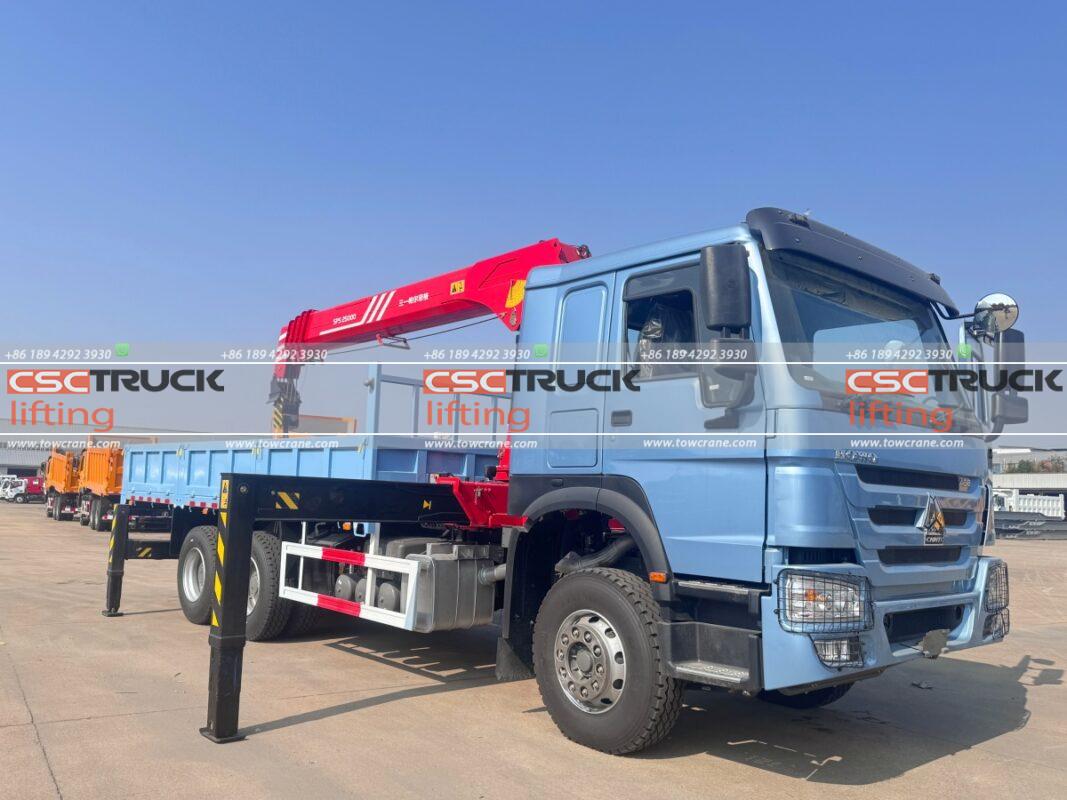
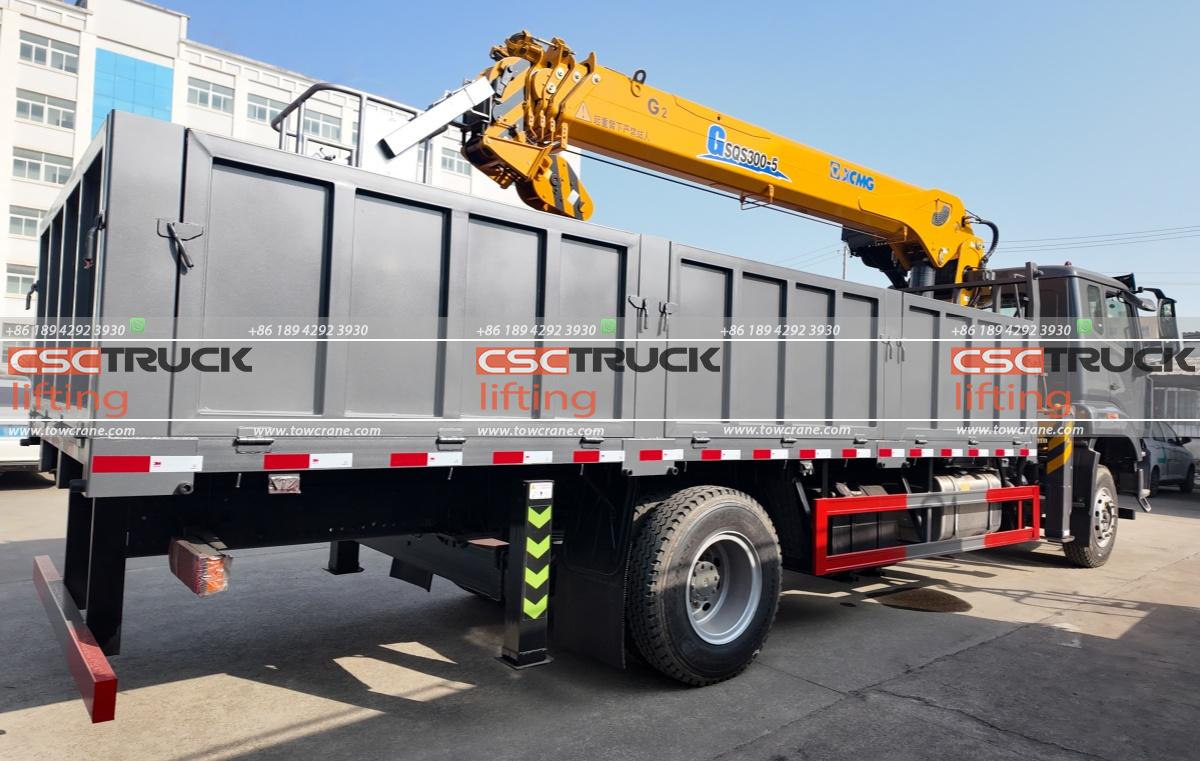
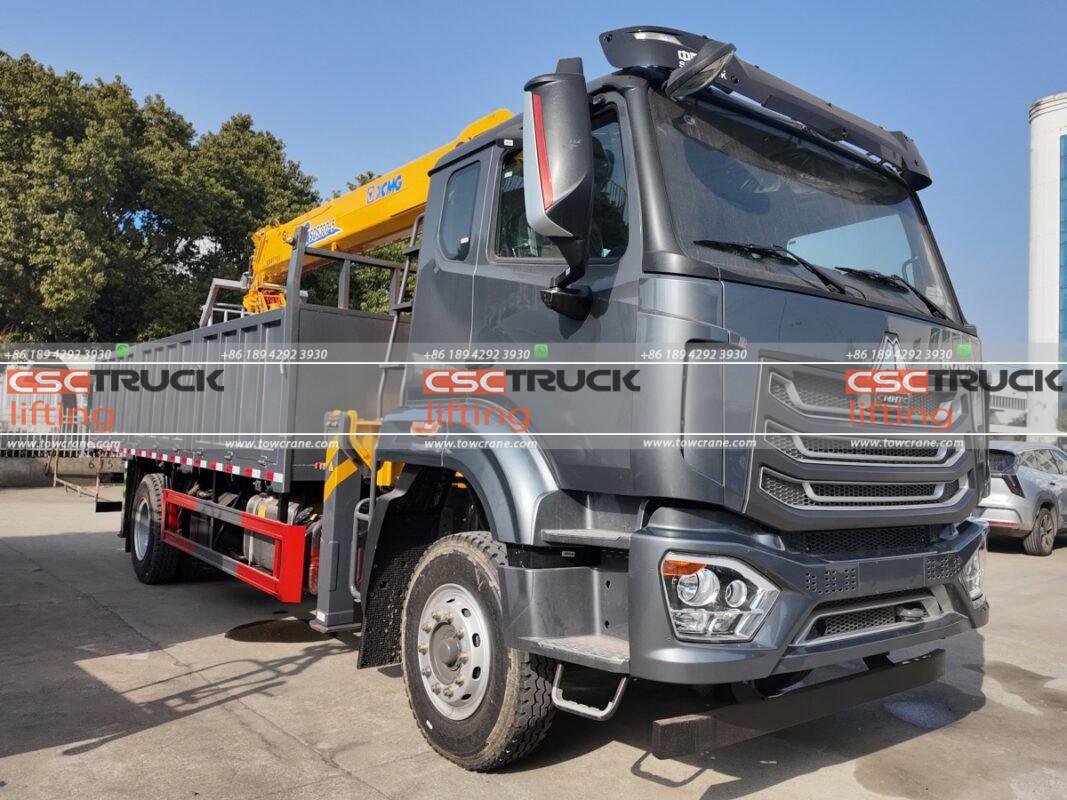
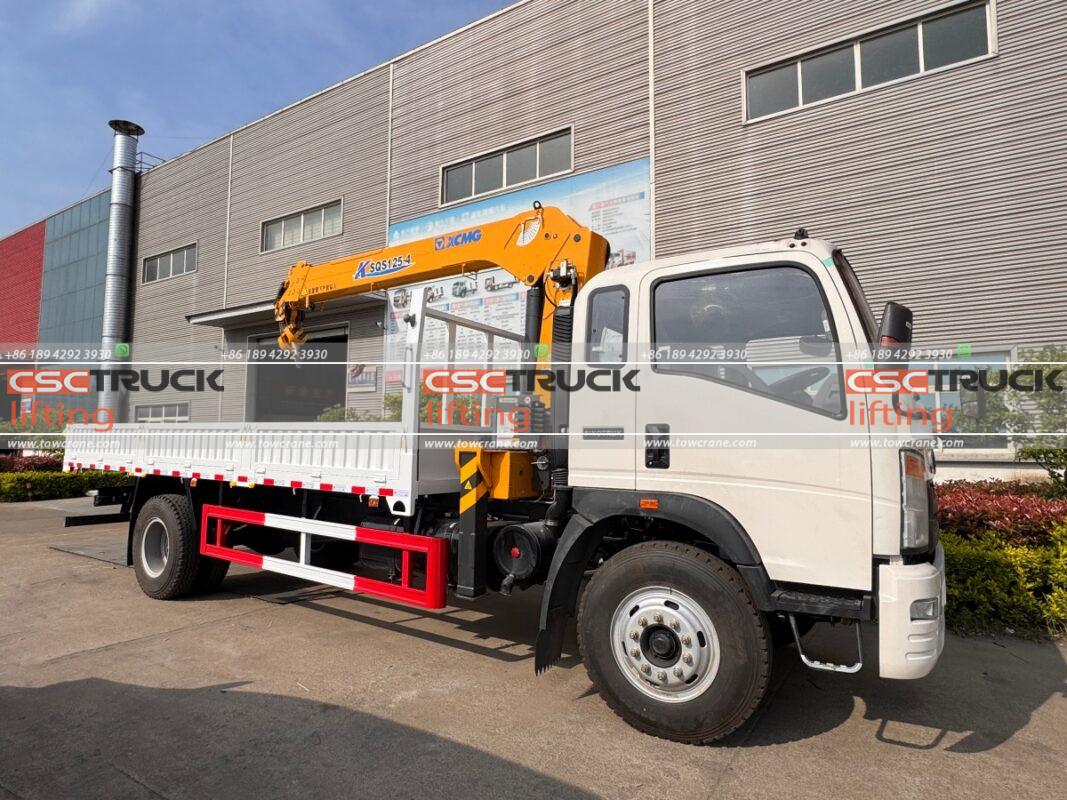
A telescopic boom crane may look simple from the outside, but several mechanical, hydraulic, and control systems work together every time it lifts a load. From extending the boom and generating hydraulic pressure to rotating the crane and maintaining vehicle stability, each movement is carefully coordinated.
Understanding what happens inside a telescopic boom crane during operation helps explain how it can lift heavy materials, reach different working distances, and position loads accurately. It also shows why hydraulic components, boom sections, outriggers, and control systems all play important roles in overall crane performance.
Power Starts with the Hydraulic System
The operating process begins with the hydraulic system. When the operator activates a crane function, the hydraulic pump generates pressurized hydraulic oil and sends it through control valves to the appropriate actuator.
Depending on the operation, hydraulic pressure can be used to raise the boom, extend or retract the telescopic sections, operate the outriggers, or control other crane movements.
The hydraulic system allows a relatively compact crane to generate substantial lifting force. Instead of relying on mechanical gears alone, hydraulic cylinders convert fluid pressure into controlled mechanical movement.
The operator does not directly control the hydraulic cylinders. Instead, the crane’s control valves regulate the direction and amount of hydraulic oil supplied to each actuator. This makes crane movements smoother and allows different functions to be controlled according to the lifting task.
The Outriggers Establish a Stable Working Base
Before lifting a heavy load, the truck needs a stable support base. This is where the outriggers become important.
The outriggers extend outward from the crane or truck frame and contact the ground. They increase the effective support area and help reduce the tendency of the vehicle to shift or tilt when the crane is carrying a load.
This is especially important when the boom is extended sideways. As the working radius increases, the load creates greater overturning forces around the vehicle. Properly positioned outriggers help counter these forces.
The operator should ensure that the outriggers are correctly deployed and that the ground can support the applied load. A crane’s rated lifting capacity cannot be considered separately from working conditions, support stability, and load position.
The Boom Begins to Rise
Once the loader truck is properly stabilized, the operator can raise the boom.
A hydraulic lift cylinder pushes against the boom structure, changing its angle relative to the crane base. By controlling hydraulic flow, the operator can raise or lower the boom smoothly.
Boom angle has a direct relationship with the crane’s working radius. When the boom is positioned at a lower angle, the load generally moves farther away from the crane. As the boom is raised, the working radius becomes shorter and the load can be positioned at a greater height.
This is why the operator must consider both lifting height and working radius rather than looking only at the crane’s maximum lifting capacity.
Telescopic Sections Extend Inside the Boom
One of the defining features of a telescopic boom crane is its ability to change boom length.
Inside the main boom are one or more telescopic sections that slide in and out. Hydraulic cylinders, together with associated extension mechanisms, provide the force required to extend or retract these sections.
When the operator commands boom extension, hydraulic oil is directed to the appropriate cylinder. The cylinder pushes the telescopic section outward, increasing the boom’s overall working reach.
When the boom needs to be shortened, the hydraulic flow is reversed and the sections retract.
The boom does not simply become longer without affecting lifting performance. As the boom extends, the load moves farther from the crane’s center of rotation. The increased working radius creates greater load moment, which normally reduces the amount of weight the crane can safely lift.
The Load Moment Changes as the Boom Moves
One of the most important things happening during crane operation is the continuous change in load moment.
Load moment is influenced by both the weight of the load and its distance from the crane. A heavy load positioned close to the crane may be manageable, while the same load positioned farther away can create significantly greater stress on the lifting system and vehicle.
For example, extending the boom from a short working radius to a longer outreach changes the force acting on the crane. Even though the load itself has not become heavier, its position has changed.
This is why telescopic boom cranes have different lifting capacities at different boom lengths and working radii. Operators must always refer to the crane’s rated load chart rather than assuming that the maximum lifting capacity applies at every position.
The Slewing System Moves the Load Around the Truck
Lifting and extending the boom are only part of the process. The crane must also be able to move the load horizontally around the vehicle.
The slewing system allows the upper crane structure to rotate around its base. Hydraulic motors and a slewing mechanism provide controlled rotation, allowing the boom to move to different working positions.
Depending on the crane design, continuous or wide-angle slewing allows operators to load cargo from one side of the truck, move it over the cargo body, and position it at another location.
Smooth slewing is particularly important when handling heavy or suspended loads. Sudden movements can cause the load to swing and make positioning more difficult. Controlled hydraulic movement therefore contributes to both productivity and operational safety.
The Hydraulic System Coordinates Multiple Movements
During a typical lifting operation, the crane does not always perform only one movement at a time. The operator may need to raise the boom, extend the telescopic sections, rotate the crane, and adjust the boom angle to position a load precisely.
The hydraulic system distributes power to the required functions through control valves and hydraulic circuits. The operator can therefore coordinate several movements while monitoring the load.
Modern crane trucks may also use remote controls or proportional control systems. These allow operators to adjust crane movements more precisely and choose a position with better visibility of the load and surrounding work area.
The quality of hydraulic control has a direct effect on how smoothly the crane responds to operator commands.
Safety Systems Monitor the Lifting Operation
A telescopic boom crane also relies on safety features to help prevent operation beyond its intended limits.
Depending on the crane model, safety equipment may include overload protection, load moment monitoring, hydraulic pressure protection, boom position monitoring, and emergency stop functions.
These systems help operators remain aware of the crane’s operating condition. If the load approaches a rated limit or a particular movement reaches its permitted range, the control system may provide a warning or restrict certain functions.
However, electronic and hydraulic safety systems do not replace proper operating procedures. The operator still needs to understand the load chart, working radius, ground conditions, and correct lifting methods.
What Happens When the Load Is Lowered?
The process is essentially reversed when the load is ready to be placed.
The operator gradually moves the boom into the required position, controls the slewing system, and lowers the load using hydraulic pressure. Once the load reaches the intended location, the lifting equipment can be released.
The boom can then be retracted and returned to its transport position. The outriggers are also retracted before the truck returns to normal road operation.
Controlled movement remains important during this stage. Lowering a load too quickly or retracting the boom before the load is fully stable can create unnecessary risks.
Why All These Systems Must Work Together
A telescopic boom crane is not simply a hydraulic arm attached to a truck. Its performance depends on the interaction between the hydraulic system, telescopic boom, slewing mechanism, outriggers, control system, and truck chassis.
The hydraulic system provides the force, the boom determines reach and lifting height, the slewing mechanism controls horizontal positioning, and the outriggers provide additional stability. Meanwhile, the control and safety systems help the operator manage these functions within the crane’s rated operating range.
This coordination is what allows a telescopic boom crane to transform a truck into a versatile self-loading and material-handling vehicle. When properly operated and maintained, it can efficiently handle construction materials, machinery, steel products, pipes, and other heavy loads across construction sites, logistics operations, industrial facilities, and municipal projects.