Container transport is no longer limited to moving one standard container size. Today, logistics companies, ports, freight forwarders, and construction contractors often handle a combination of 20ft, 40ft, and twin 20ft ISO containers throughout the same working day.
For fleet operators, this creates a common challenge: Should you invest in separate vehicles for different container sizes, or choose one truck capable of handling them all?
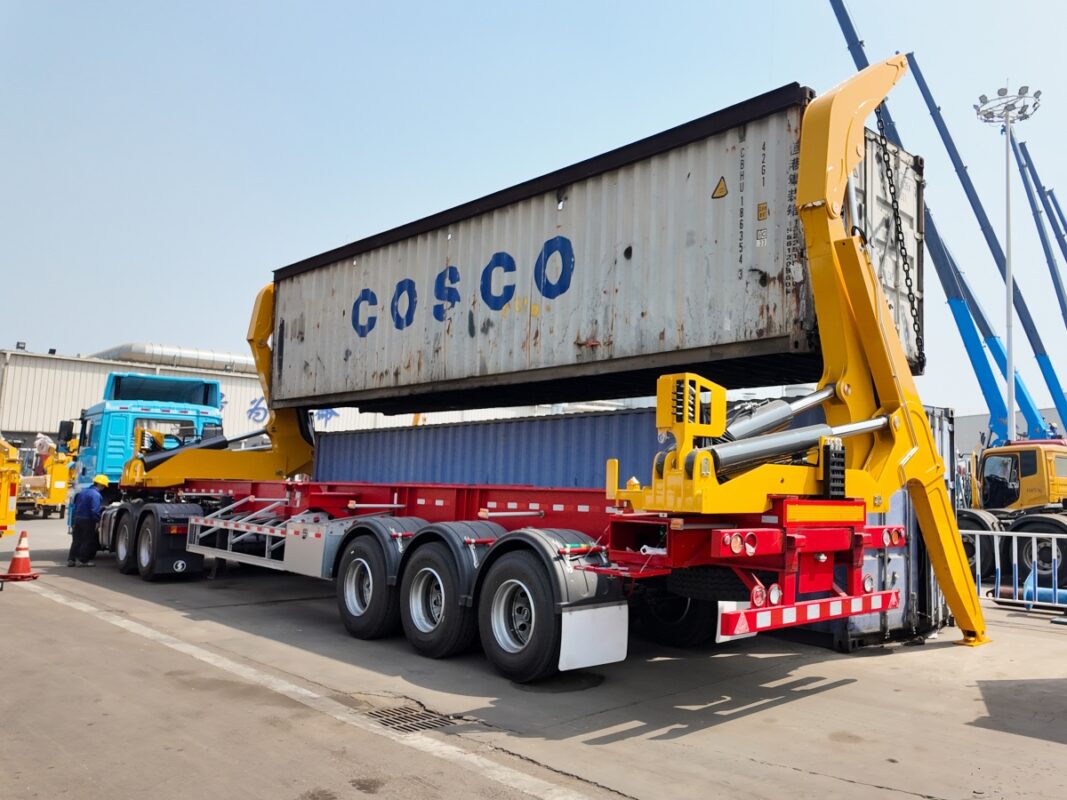
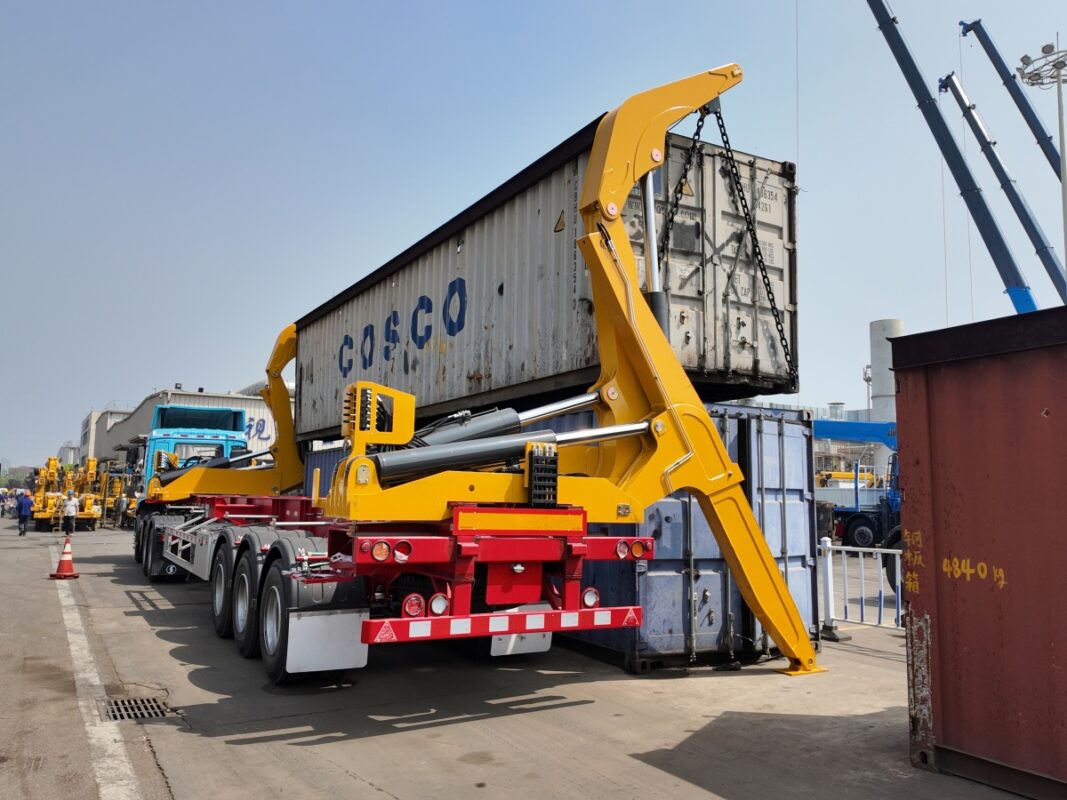
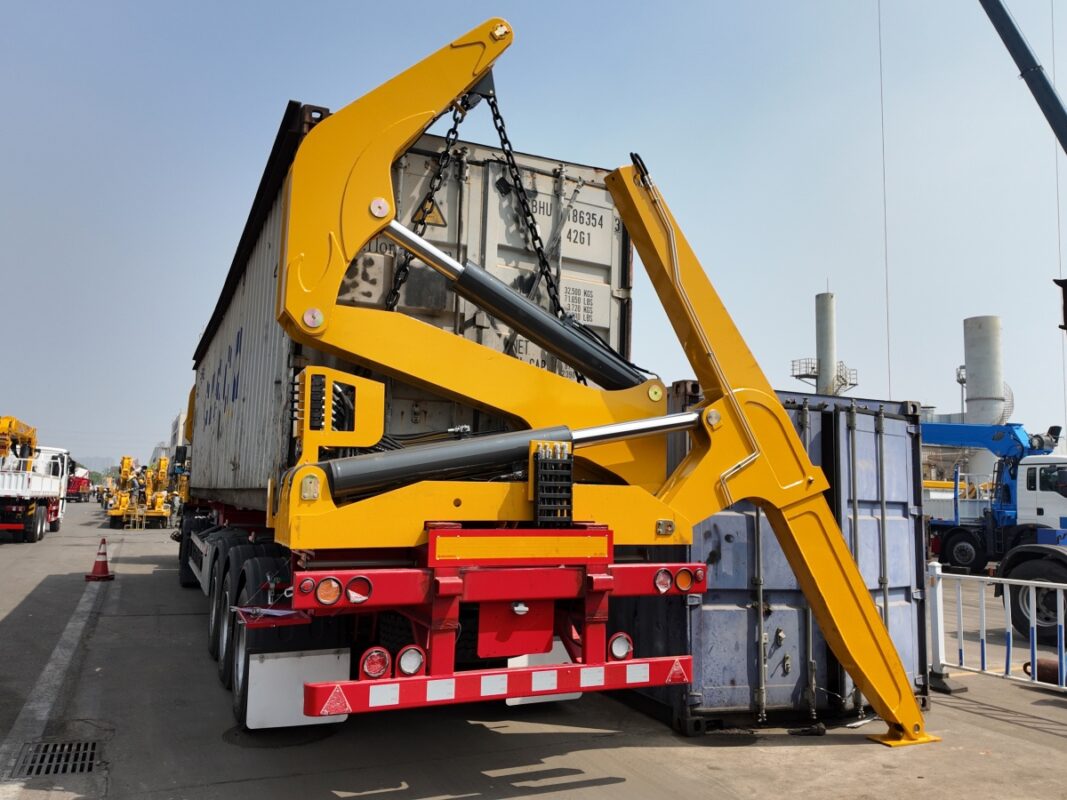
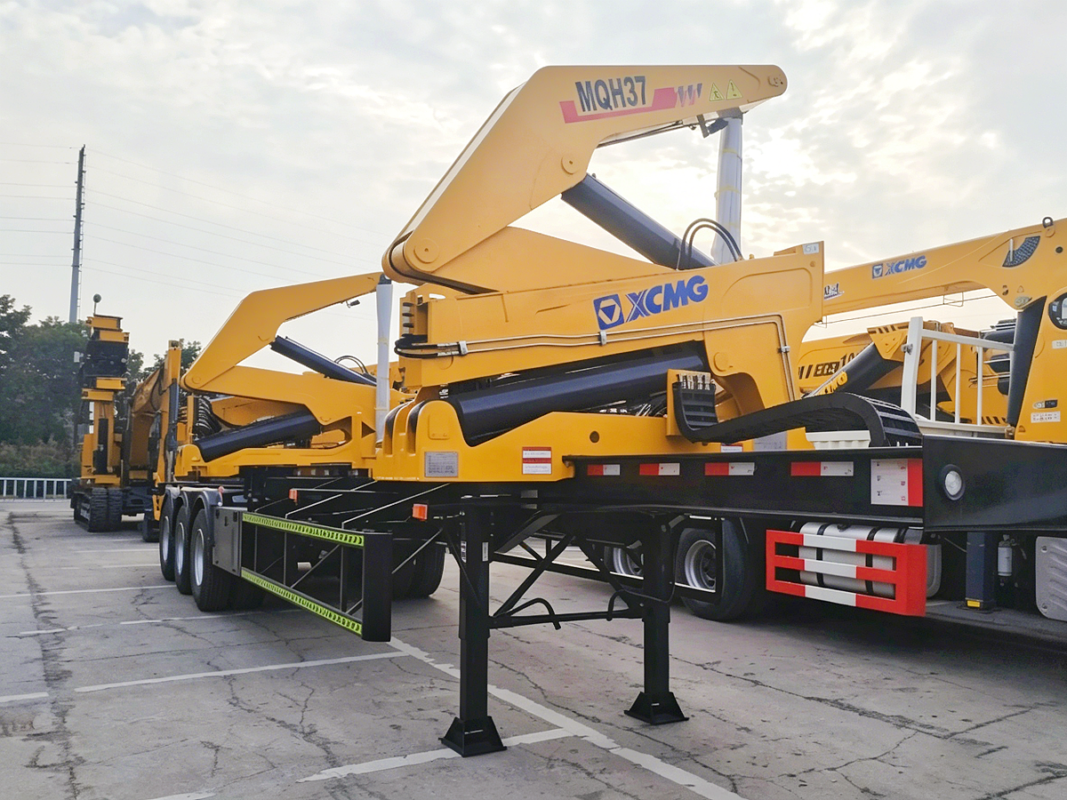
Modern container side loader trucks provide the answer. Thanks to an extendable chassis and advanced hydraulic lifting system, a single vehicle can safely load, transport, and unload multiple container configurations without changing equipment. The result is greater operational flexibility, higher equipment utilization, and a lower total cost of ownership.
In this article, we’ll explain how multi-size side loaders work, why they have become the preferred choice for modern logistics fleets, and what buyers should consider before making a purchasing decision.
Why Fleets Need Multi-Container Compatibility
Twenty years ago, many transport companies specialized in a single type of container movement.
Today, things are very different.
A logistics company may collect a 20ft container from a manufacturing plant in the morning, deliver a 40ft container to a port in the afternoon, and transport two 20ft containers between inland depots before the day ends.
Using dedicated vehicles for each container length creates several problems:
Higher fleet investment
Lower vehicle utilization
More idle equipment
Increased maintenance costs
More complicated scheduling
A side loader capable of handling multiple container sizes gives dispatchers much greater flexibility while improving the return on investment for every truck.
Understanding Standard Container Sizes
Before selecting a side loader, it is useful to understand the most common ISO container dimensions.
20ft Container
The 20-foot container is the world’s most widely used shipping container.
Typical applications include:
Heavy cargo
Machinery
Building materials
Domestic freight
Small export shipments
Its compact size makes it easier to load in confined spaces while allowing higher payload density.
40ft Container
The 40-foot container provides nearly twice the internal volume of a 20ft container.
It is commonly used for:
Consumer goods
Furniture
Retail products
International shipping
High-volume cargo
Because of its longer length, transporting a 40ft container requires proper chassis support and balanced load distribution.
Two 20ft Containers
Many logistics companies now transport two separate 20ft containers on one vehicle.
This configuration offers several advantages:
More containers per trip
Better route planning
Lower transportation cost per container
Reduced empty return journeys
For ports and freight terminals, this capability can significantly increase daily productivity.
How an Extendable Chassis Makes It Possible
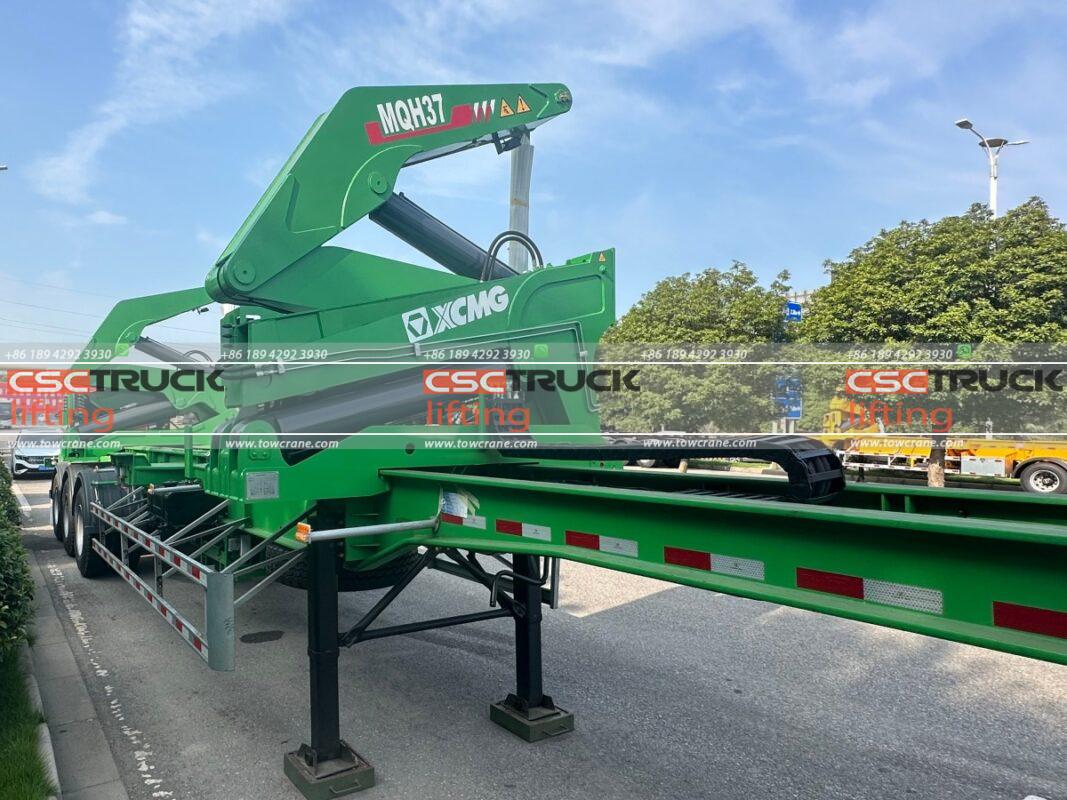
The secret behind multi-container compatibility is the hydraulically extendable chassis.
Unlike fixed-frame trucks, the chassis can automatically adjust its length according to the container being transported.
Compact Mode
When carrying a 20ft container, the chassis remains retracted.
Benefits include:
Better maneuverability
Shorter turning radius
Easier operation in city streets
Improved access to warehouses
Extended Mode
For 40ft containers, the chassis extends to provide proper structural support.
This ensures:
Even weight distribution
Greater lifting stability
Safer highway transportation
Compliance with transport regulations
Twin 20ft Configuration
Some side loaders are equipped with container locking systems designed specifically for two 20ft containers.
Instead of transporting only one container, operators can move two independent units in a single trip, dramatically improving transport efficiency.
Why One Truck Is Better Than Two
Many buyers initially assume purchasing separate trucks for different container sizes provides greater flexibility.
In reality, the opposite is often true.
A multi-purpose side loader offers:
Lower Capital Investment
Instead of purchasing two or three specialized trucks, one vehicle can perform multiple transport tasks.
This reduces fleet expansion costs and simplifies equipment management.
Higher Fleet Utilization
A truck that only transports 40ft containers may remain idle when only 20ft work is available.
A flexible side loader stays productive regardless of the container size assigned by dispatch.
Lower Operating Costs
Running one versatile truck instead of multiple dedicated vehicles reduces:
Maintenance expenses
Insurance costs
Driver requirements
Spare parts inventory
Over the vehicle’s lifetime, these savings can be substantial.
Faster Dispatching
Fleet managers don’t need to assign different vehicles based solely on container length.
Any compatible side loader can complete the job, simplifying scheduling and improving response times.
Applications Across Different Industries
One of the biggest advantages of a multi-size side loader is its versatility.
Typical applications include:
Ports and Container Terminals
Rapid loading and unloading of import and export containers without requiring additional lifting equipment.
Logistics Companies
Transporting mixed container sizes for customers with different shipping requirements.
Inland Container Depots (ICDs)
Moving containers efficiently between storage yards, rail terminals, and distribution centers.
Construction Projects
Delivering site offices, storage containers, and modular buildings directly to construction sites.
Mining and Energy Projects
Handling containers in remote locations where cranes or forklifts are unavailable.
Conclusion
A modern container side loader truck is far more than a vehicle for transporting shipping containers. With an extendable chassis, it becomes a highly versatile logistics solution capable of handling 20ft, 40ft, and two 20ft containers on the same platform.
This flexibility allows fleet operators to reduce equipment investment, improve vehicle utilization, simplify dispatching, and lower operating costs. Instead of purchasing separate trucks for different container sizes, one well-designed side loader can efficiently meet a wide range of transport demands.
For companies seeking to maximize productivity while controlling costs, investing in a multi-size compatible side loader is a smart, future-ready choice.
CSCTRUCK Towcrane supplies a full range of loader cranes, including articulating boom cranes, telescopic boom cranes and side lifter cranes, with customizable lifting capacities, boom lengths, chassis configurations, and control systems. If you’re looking for a reliable lifting solution tailored to your operational needs, contact our team today for expert advice and a customized quotation.