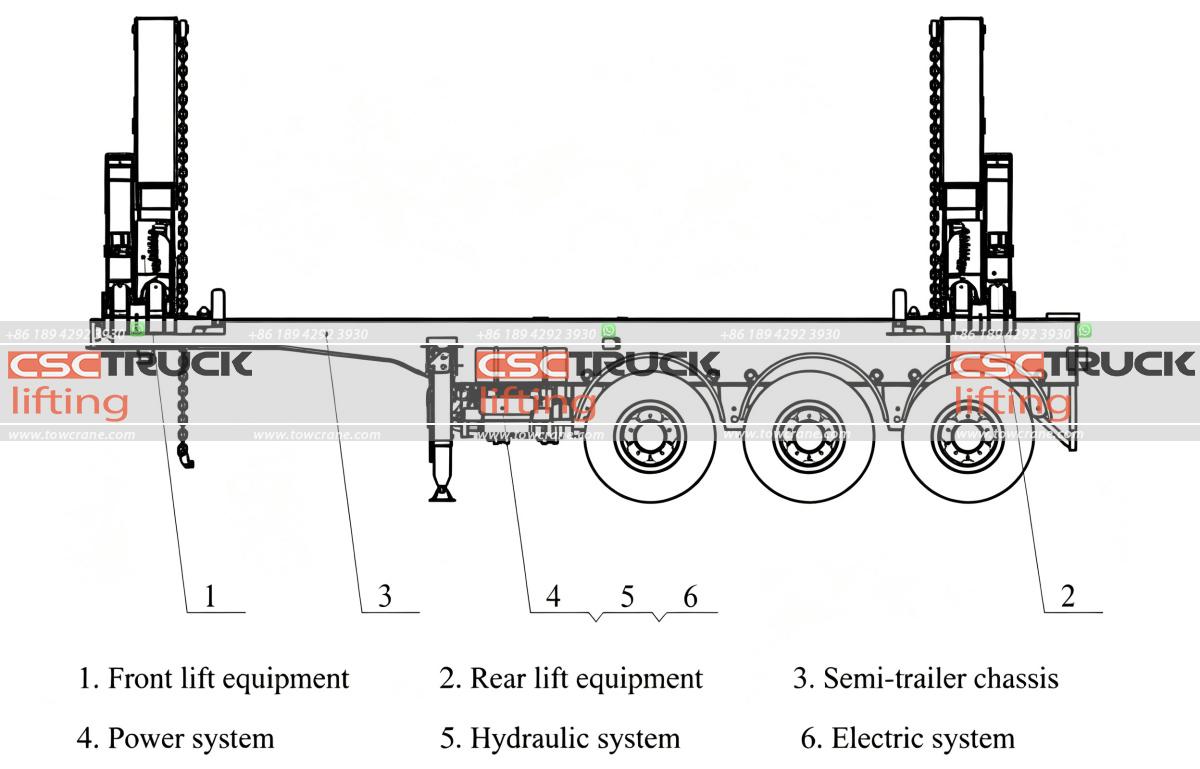
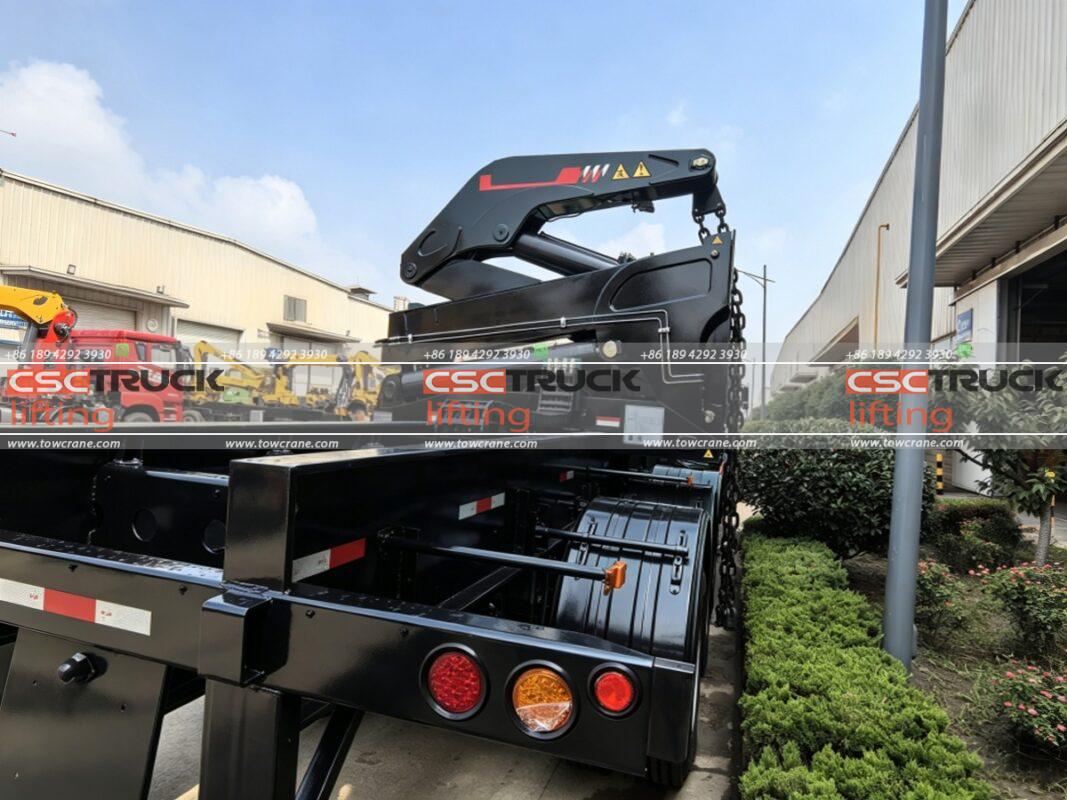
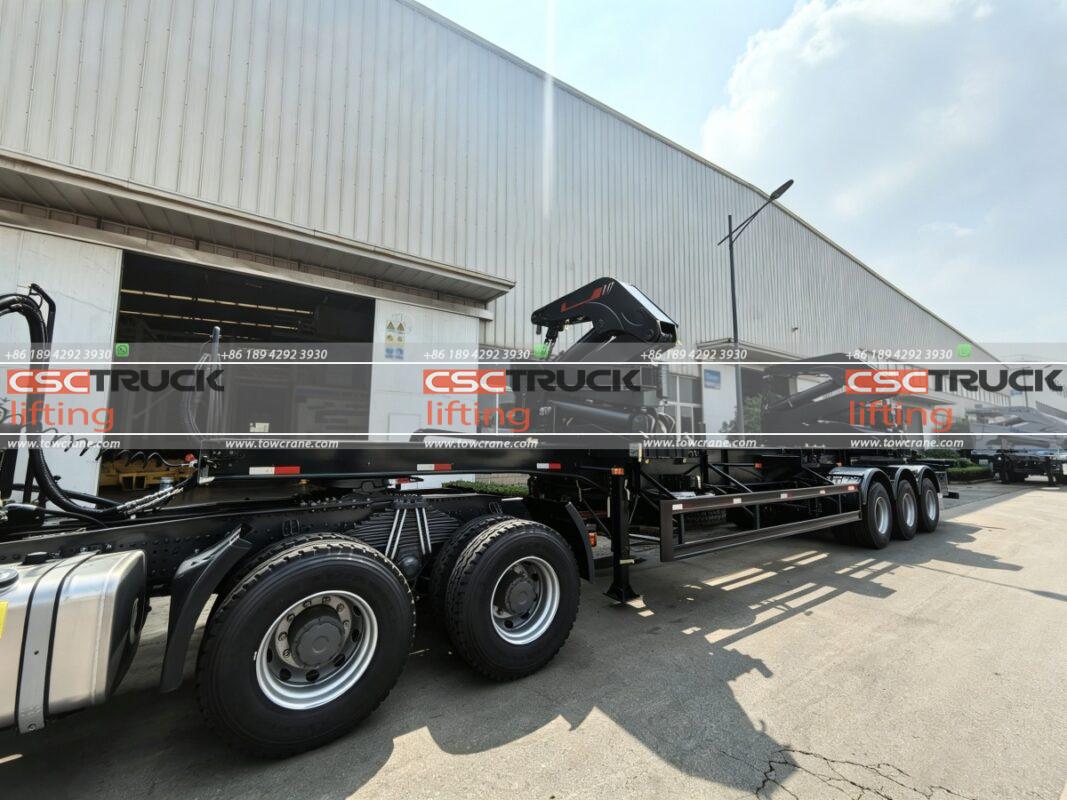
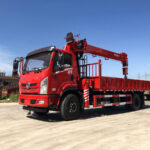
A Container Side Lifter Crane is a specialized vehicle designed to load, transport, and unload ISO shipping containers without relying on external lifting equipment. One of the most common questions from buyers and operators is: How are container side lifter cranes powered?
The answer depends on the crane’s design and application. Most modern side lifter cranes use hydraulic power driven by either the truck’s engine or an independent power source. This hydraulic system provides the strength and precision required to safely lift containers weighing up to 40 tons while maintaining smooth and reliable operation.
In this guide, we’ll explain how container side lifter cranes are powered, how the hydraulic system works, and the different power options available.
The Hydraulic System: The Heart of a Side Lifter Crane
Almost every container side lifter crane relies on a hydraulic system to perform lifting operations.
Hydraulics are ideal for heavy lifting because they generate high force while allowing precise control over the crane’s movements. When the operator activates the controls, hydraulic oil is pumped under pressure to cylinders mounted on the lifting cranes. These cylinders extend and retract, raising or lowering the container in a controlled manner.
Because hydraulic systems deliver consistent power, they can safely lift heavy containers while minimizing sudden movements that could compromise safety or damage the cargo.
Where Does the Hydraulic Power Come From?
The hydraulic system itself requires a power source to drive the hydraulic pump. There are three common options.
1. Truck Engine Power Take-Off (PTO)
The most common solution is a Power Take-Off (PTO) connected to the truck’s transmission.
When the PTO is engaged, the truck’s engine drives a hydraulic pump that supplies pressurized oil to the crane system. This design eliminates the need for a separate engine, reducing vehicle weight, maintenance requirements, and fuel consumption.
PTO-driven systems are widely used because they are reliable, efficient, and easy to maintain.
2. Independent Diesel Engine
Some side lifter cranes are equipped with a dedicated diesel engine that powers the hydraulic pump independently of the truck.
This configuration allows crane operations even when the truck’s main engine is turned off or when the crane is installed on trailers without direct access to a truck transmission.
Independent power units are commonly found on trailer-mounted side lifters and equipment operating under specialized conditions.
3. Electric-Hydraulic Power Systems
As the logistics industry moves toward lower emissions, some manufacturers now offer electric-hydraulic side lifter cranes.
In these systems, an electric motor replaces the diesel-powered hydraulic pump. The motor is powered by high-voltage batteries or an external electrical source while the lifting cylinders continue to operate hydraulically.
Electric-hydraulic systems provide several benefits, including:
Zero tailpipe emissions during lifting
Lower operating noise
Reduced fuel consumption
Lower maintenance requirements
Improved energy efficiency
Although still less common than PTO-powered systems, electric side lifters are becoming increasingly popular in ports, logistics hubs, and environmentally regulated urban areas.
Why Hydraulics Are Preferred
Hydraulic power offers several advantages over mechanical lifting systems.
Hydraulic cranes provide smooth and precise lifting, allowing operators to position containers accurately even in confined spaces. They also generate extremely high lifting force while using relatively compact components, making them ideal for mobile equipment.
In addition, hydraulic systems include pressure relief valves, load-holding valves, and overload protection devices that improve operational safety and protect both the equipment and the cargo.
Typical Power Flow During Operation
A typical lifting cycle follows these steps:
The operator positions the truck beside the container.
Hydraulic outriggers are deployed to stabilize the vehicle.
The PTO, diesel engine, or electric motor drives the hydraulic pump.
Pressurized hydraulic oil flows to the lifting cylinders.
The cranes raise the container evenly using synchronized hydraulic controls.
The container is placed securely on the chassis or on the ground.
After loading or unloading, the cranes retract and the outriggers fold back into position.
The entire process usually takes only a few minutes and can be completed by a single trained operator.
Choosing the Right Power System
The ideal power system depends on your operating environment.
PTO-driven systems are the best choice for most truck-mounted side lifters, offering a simple, efficient, and cost-effective solution.
Independent diesel power units provide greater flexibility for trailer-mounted equipment or specialized applications.
Electric-hydraulic systems are ideal for customers seeking quieter operation, lower emissions, and reduced operating costs in environmentally sensitive areas.
When selecting a container side lifter crane, it is important to consider lifting capacity, duty cycle, maintenance requirements, local emissions regulations, and long-term operating costs in addition to the power source.
Looking for a Reliable Container Side Lifter Crane?
Whether you need a 20ft, 40ft, or 20/40-ft combination container side lifter, choosing the right hydraulic power system is essential for safe and efficient container handling.
CSCTRUCK Towcrane offers a complete range of loader cranes with PTO-driven and customized hydraulic solutions to meet different transportation and logistics requirements. Contact our team today to learn more about our side lifter cranes and find the right solution for your business.