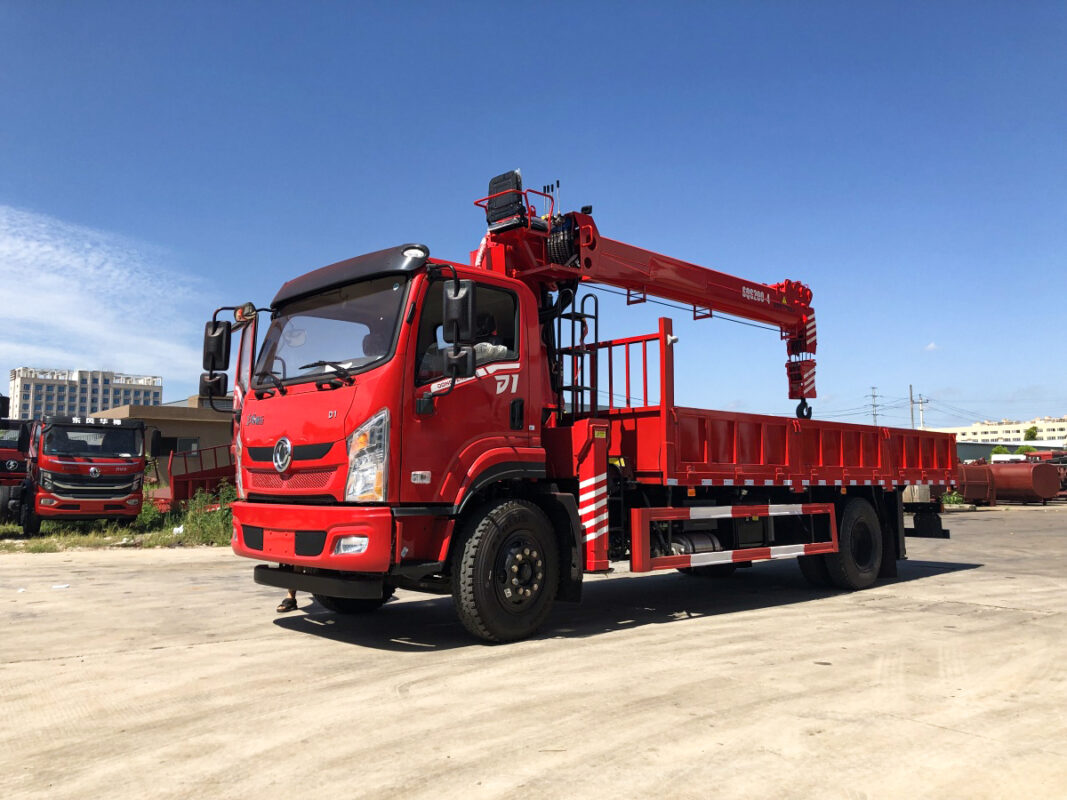
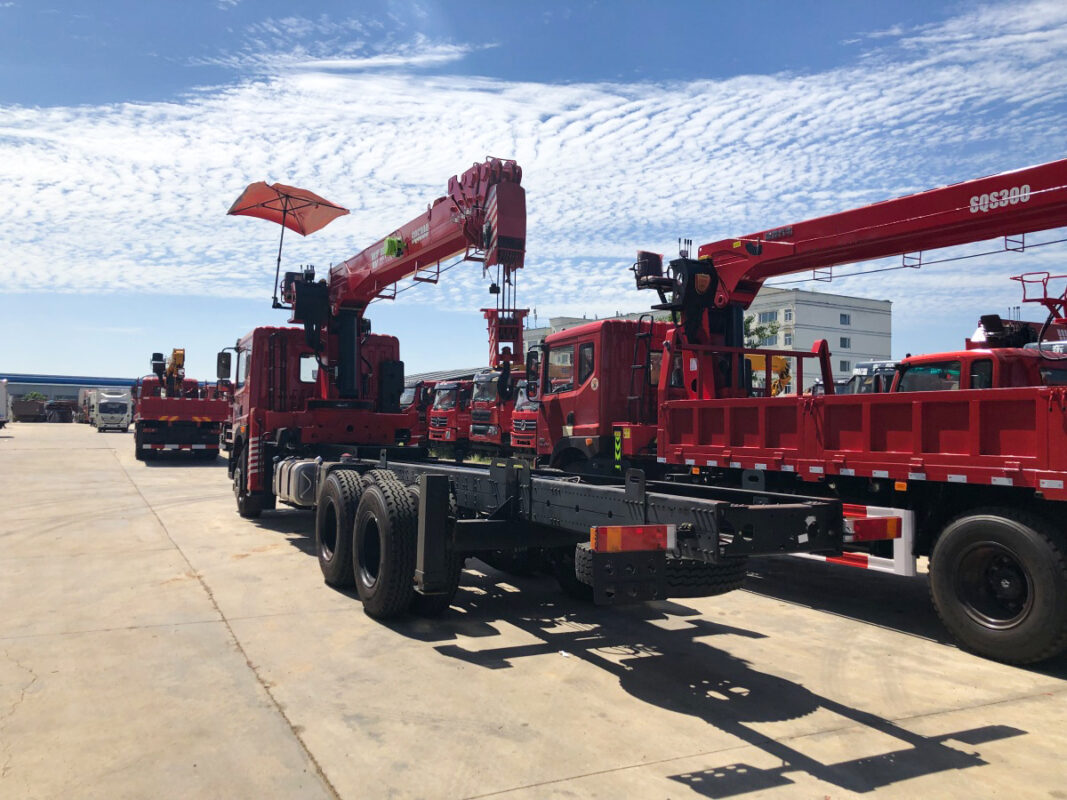
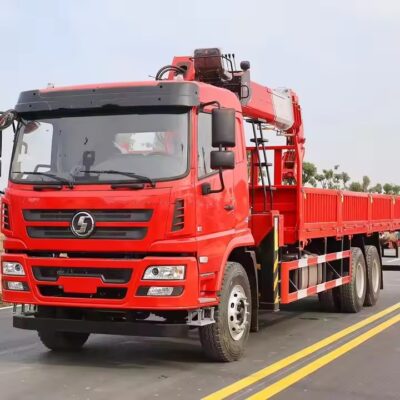
A truck-mounted boom crane is one of the most versatile pieces of lifting equipment used in construction, utilities, logistics, and industrial maintenance. Combining the mobility of a commercial truck with the lifting capabilities of a hydraulic crane, it enables operators to transport materials and complete lifting tasks using a single vehicle.
Unlike traditional mobile cranes, which often require separate transportation and longer setup times, boom truck cranes can travel directly on public roads and be ready for operation within minutes. Their flexibility, efficiency, and cost-effectiveness have made them an essential tool for contractors, municipalities, utility companies, and equipment rental businesses around the world.
In this guide, we’ll explain what a boom truck crane is, how it works, its main components, common applications, advantages, and the key factors to consider when selecting the right model for your business.
What Is a Boom Truck Crane?
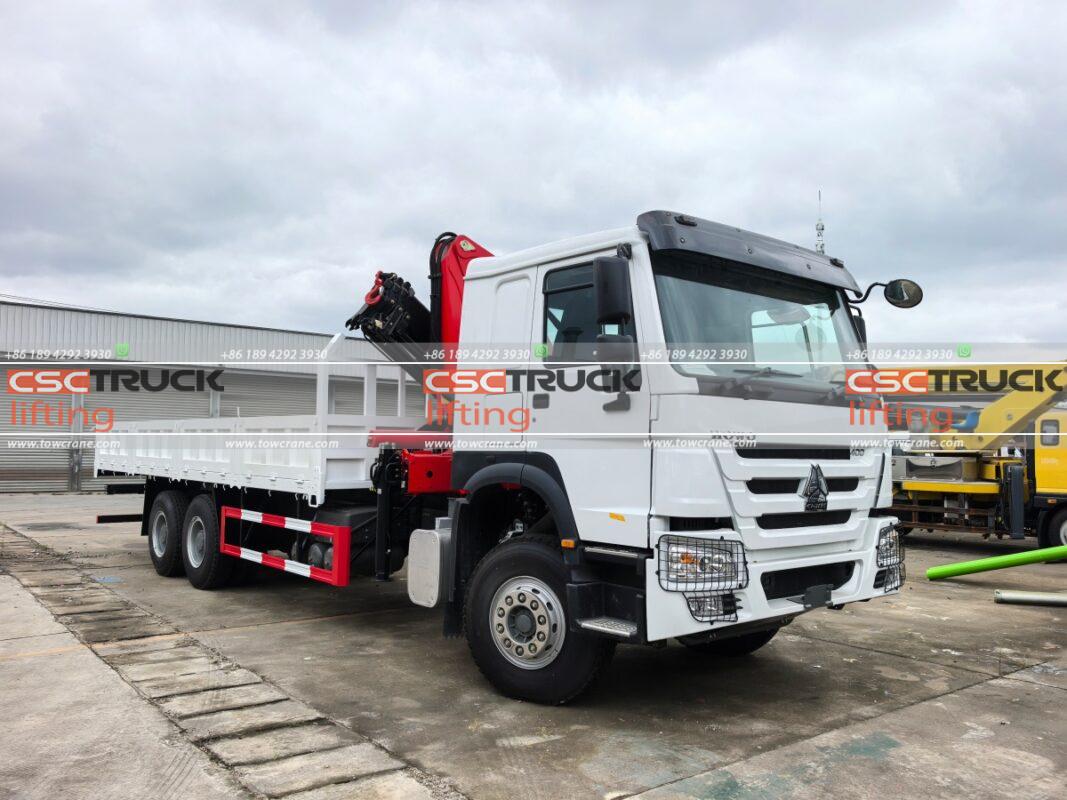
A boom truck crane is a hydraulic lifting crane permanently mounted on a commercial truck chassis. The crane is typically installed directly behind the driver’s cab, allowing the truck to transport materials while also performing lifting operations.
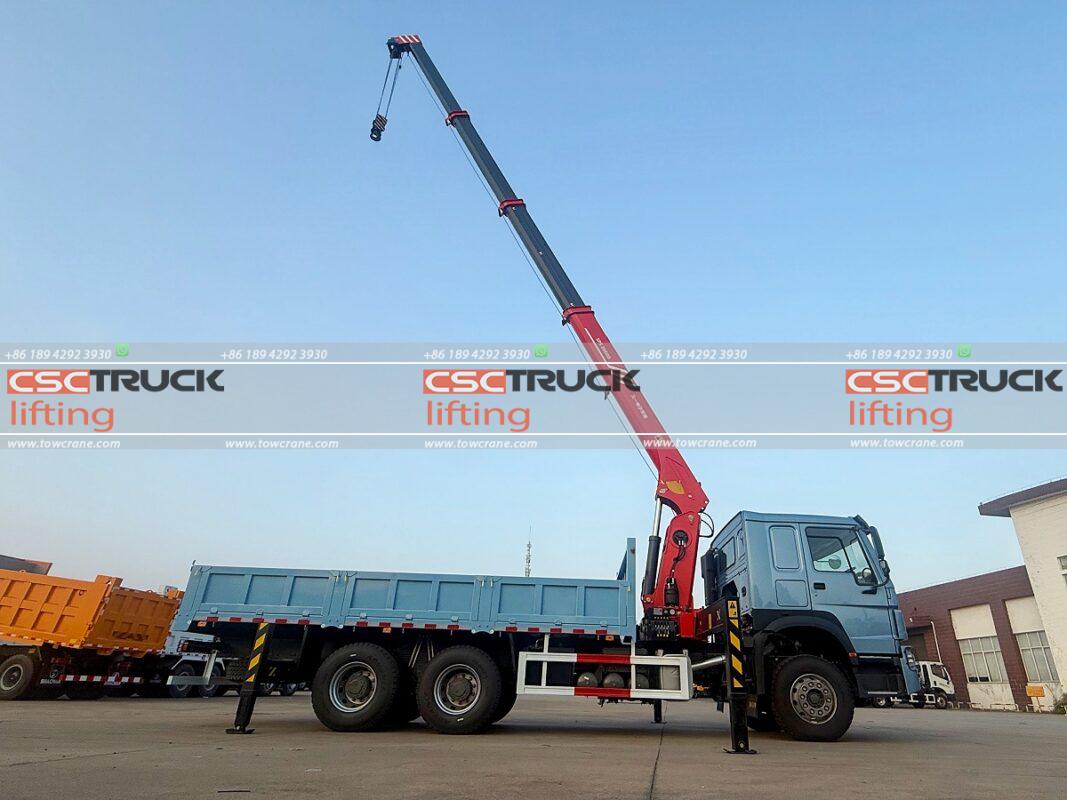
The crane features a telescopic boom or articulating boom that extends and retracts hydraulically, enabling operators to lift heavy loads to different heights and working radii. Depending on the model, boom truck cranes can lift anywhere from a few tons to more than 50 tons.
Because the truck and crane are integrated into one vehicle, operators can quickly move between job sites without requiring trailers or additional transportation equipment. This makes boom truck cranes particularly suitable for projects that involve multiple work locations in a single day.
How Does a Boom Truck Crane Work?
The operating principle of a boom truck crane is relatively straightforward.
Once the truck arrives at the work site, the operator parks it on stable ground and deploys the hydraulic outriggers. These stabilizers extend outward from both sides of the truck to distribute the lifting load evenly and prevent the vehicle from tipping during operation.
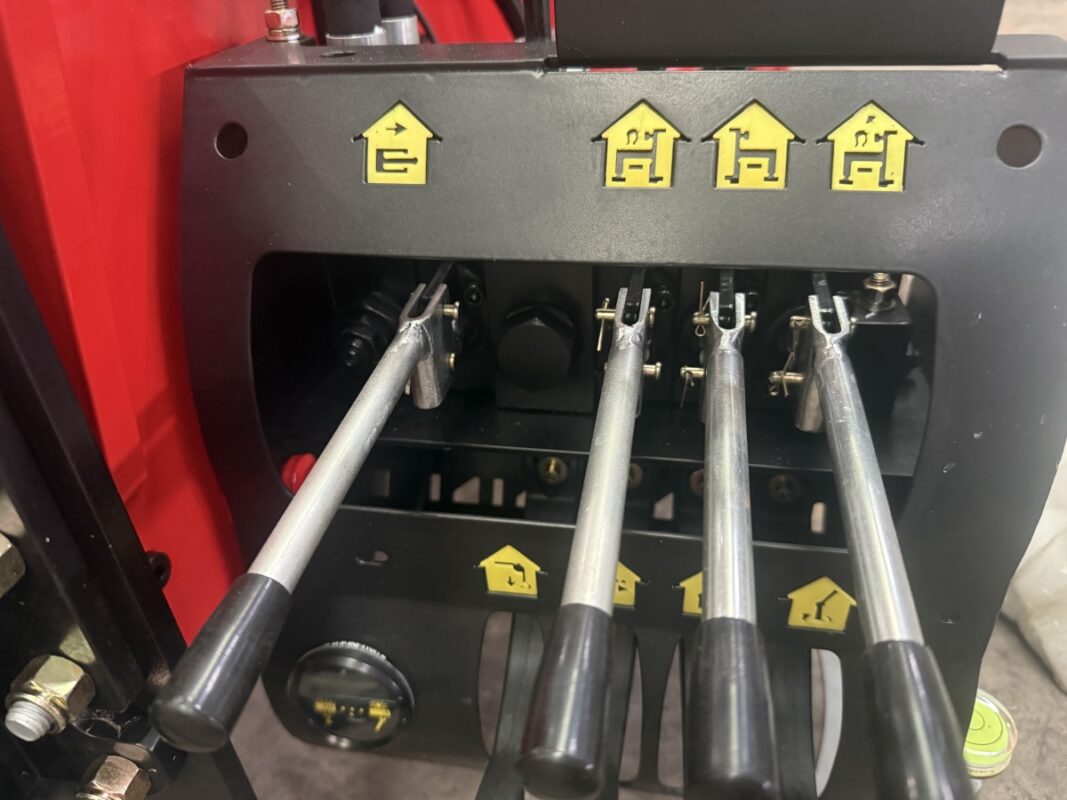
The crane is then controlled using either a manual control station or a remote control system. Hydraulic cylinders raise, lower, extend, and rotate the telescopic boom, while a steel cable and hook connected to the winch lift the load safely into position.
After the lifting task is completed, the boom retracts, the outriggers fold back into place, and the truck can immediately travel to the next location.
This fast setup process significantly improves productivity compared with larger cranes that require lengthy assembly or transportation procedures.
Main Components of a Boom Truck Crane
Although specifications vary among manufacturers, most boom truck cranes include the following key components.
1. Truck Chassis
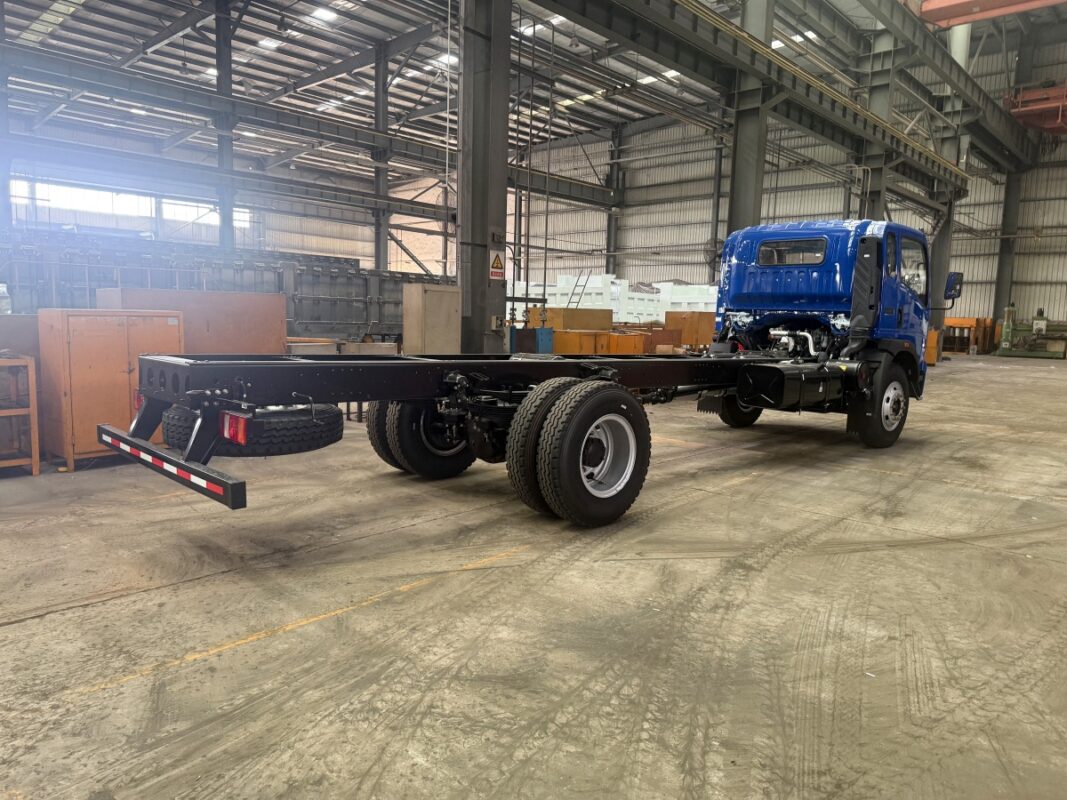
The commercial truck chassis provides mobility and supports both the crane and payload. Depending on the application, customers can choose different chassis brands and axle configurations.
2. Hydraulic Crane
The hydraulic crane generates the lifting force through high-pressure hydraulic cylinders and pumps. Modern hydraulic systems provide smooth, precise, and efficient lifting performance.
3. Boom
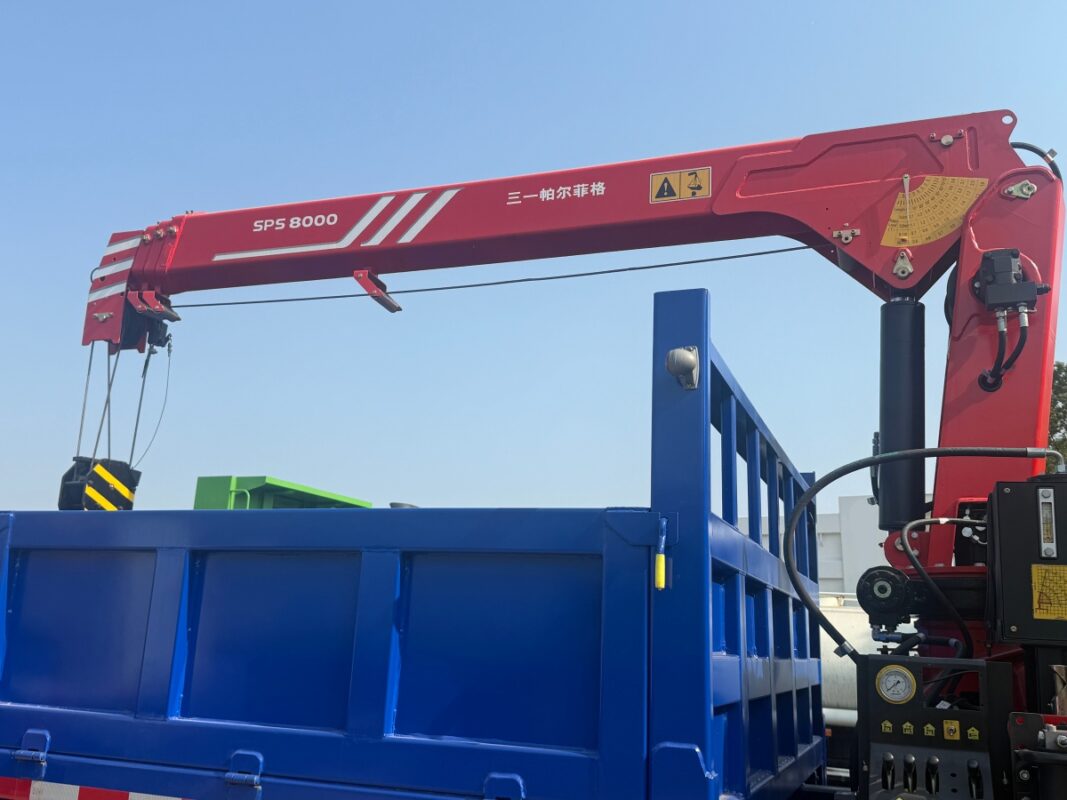
The boom consists of multiple steel sections that extend hydraulically to reach different working heights and radii. Longer booms increase flexibility while maintaining compact transportation dimensions.
4. Winch and Hook
The winch uses a steel wire rope to raise and lower heavy loads safely. Different hook capacities are available depending on the crane’s lifting capacity.
5. Hydraulic Outriggers
Outriggers stabilize the vehicle during lifting operations by distributing the load across a wider footprint. Proper outrigger deployment is essential for safe crane operation.
6. Control System
Modern boom truck cranes often feature electronic load monitoring systems, joystick controls, wireless remote controls, and overload protection to improve both safety and operating efficiency.
Types of Boom Truck Cranes
Boom truck cranes are available in several configurations to meet different lifting requirements.
Telescopic boom cranes are the most common type. Their extendable boom allows operators to quickly adjust the working height without assembling additional sections, making them ideal for construction and utility work.
Also known as articulated cranes, knuckle boom cranes use multiple hinged sections instead of a straight telescopic boom. They offer excellent maneuverability and are well suited for loading materials in confined spaces.
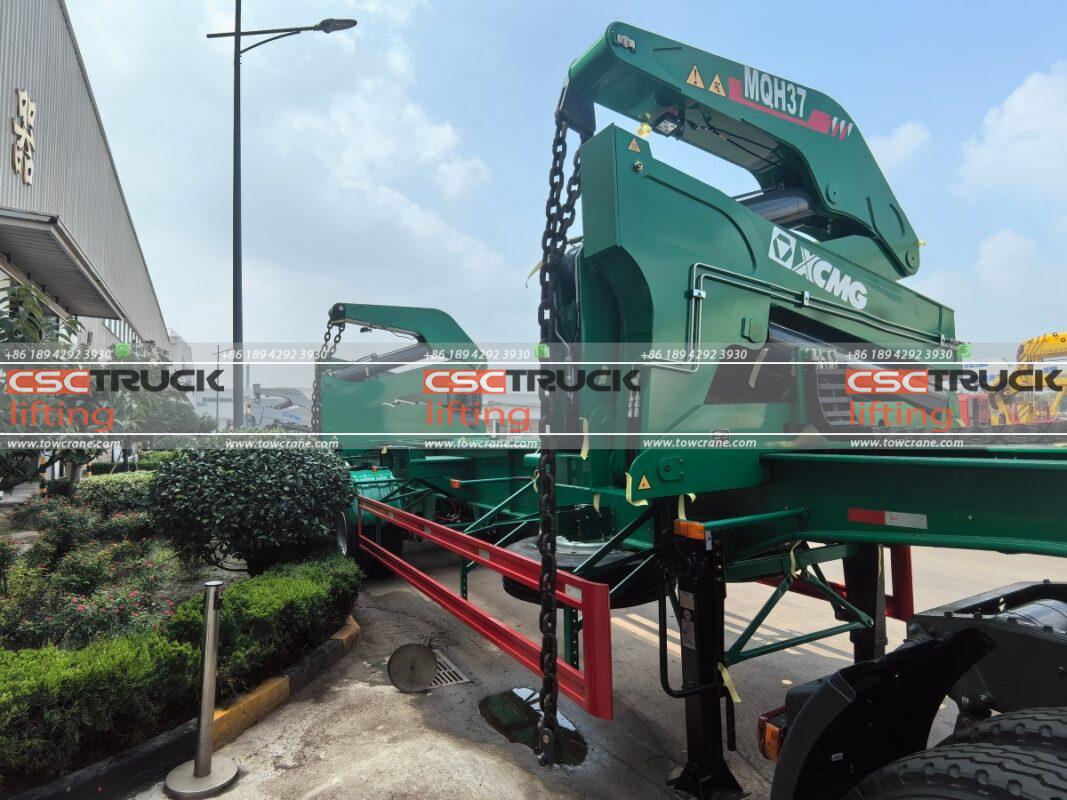
Container Side Lifter Cranes are specially designed for loading, transporting, and unloading shipping containers without the need for additional lifting equipment. Equipped with powerful hydraulic side-mounted cranes, these vehicles can independently handle ISO containers at ports, logistics centers, construction sites, and remote locations. Their self-loading capability improves operational efficiency, reduces reliance on external cranes, and makes container transportation more flexible and cost-effective.
Common Applications
Boom truck cranes are widely used across many industries because they combine transportation and lifting functions in one efficient vehicle.
Typical applications include:
Construction material delivery
Steel structure installation
Roofing projects
Utility pole installation
Streetlight maintenance
Telecommunications equipment installation
HVAC equipment lifting
Tree maintenance
Machinery loading and unloading
Oil and gas projects
Municipal maintenance
Infrastructure construction
Their ability to transport materials and perform lifting operations with a single vehicle reduces project costs and improves overall efficiency.
Advantages of Boom Truck Cranes
1. Excellent Mobility
Mounted on highway-legal truck chassis, boom truck cranes can travel directly between job sites without requiring trailers or escort vehicles.
2. Fast Setup
Hydraulic outriggers can be deployed in just a few minutes, allowing lifting operations to begin almost immediately after arriving on site.
3. Transport and Lifting in One Vehicle
Unlike conventional cranes, boom truck cranes can transport building materials, equipment, and tools while also performing lifting tasks, eliminating the need for additional transport vehicles.
4. Lower Operating Costs
Combining transportation and lifting into one machine reduces labor, fuel consumption, maintenance expenses, and overall fleet costs.
5. High Versatility
With lifting capacities ranging from light-duty service cranes to heavy construction models, boom truck cranes can adapt to a wide variety of applications.
6. Improved Productivity
The ability to quickly relocate between multiple job sites allows contractors to complete more lifting operations in a single working day.
Important Safety Features
Safety is a critical consideration for any lifting equipment.
Modern boom truck cranes are equipped with advanced safety technologies designed to protect both operators and surrounding personnel.
Common safety features include:
Hydraulic overload protection
Load moment indicators (LMI)
Emergency stop controls
Anti-two-block systems
Automatic outrigger monitoring
Boom angle indicators
Wireless remote controls
High-strength steel construction
Regular inspection, proper operator training, and adherence to lifting procedures are equally important to ensure safe and reliable operation.
How to Choose the Right Boom Truck Crane
Selecting the right boom truck crane depends on your specific lifting requirements and working conditions.
Before making a purchase, consider the following factors:
Maximum lifting capacity
Maximum lifting height
Working radius
Boom length
Truck chassis configuration
Payload capacity
Hydraulic system performance
Road conditions
Available service and spare parts
Local transportation regulations
Choosing equipment that matches your daily operations can improve efficiency, reduce operating costs, and maximize return on investment.
Boom Truck Crane vs. Mobile Crane
Many buyers wonder whether a boom truck crane or a conventional mobile crane is the better choice.
Feature
Boom Truck Crane
Mobile Crane
Road Mobility
Excellent
Good
Setup Time
Fast
Longer
Material Transport
Yes
No
Lifting Capacity
Medium
Very High
Operating Cost
Lower
Higher
Best Applications
Daily construction, utilities, maintenance
Heavy industrial lifting
For routine lifting tasks that require frequent travel between job sites, boom truck cranes offer greater flexibility and lower operating costs. Mobile cranes remain the preferred choice for extremely heavy lifting and specialized industrial projects.
Looking for a Reliable Boom Truck Crane?
Whether you need a loader crane for heavy-duty construction, logistics, or utility work, choosing the right truck-mounted crane can improve productivity while reducing operating costs.
CSCTRUCK Towcrane offers a wide range of boom truck cranes with different lifting capacities, boom lengths, and chassis options to suit various industries and applications. Contact our team today to discuss your project requirements and discover the ideal lifting solution for your business.