Choosing the right articulating boom crane is about more than selecting the highest lifting capacity. Every application has different lifting requirements, vehicle configurations, and jobsite conditions. A crane that works perfectly for construction may not be the best choice for logistics, utility maintenance, or forestry operations.
Before placing an order, use this checklist to evaluate the key specifications that affect safety, efficiency, and long-term operating costs.
1. What Is the Maximum Weight You Need to Lift?
The first and most important question is how heavy your typical loads are.
Consider both the maximum load and the most common working load. Oversizing the crane increases purchase cost and vehicle weight, while undersizing may limit productivity and compromise safety.
Ask yourself:
What is the heaviest load you will lift?
How often will you lift at maximum capacity?
Do you expect future lifting requirements to increase?
Tip: Always leave a safety margin rather than selecting a crane that operates at its maximum rated capacity every day.
2. What Lifting Height and Outreach Do You Need?
Lifting capacity alone is not enough. You also need to consider:
Maximum lifting height
Horizontal outreach
Working radius
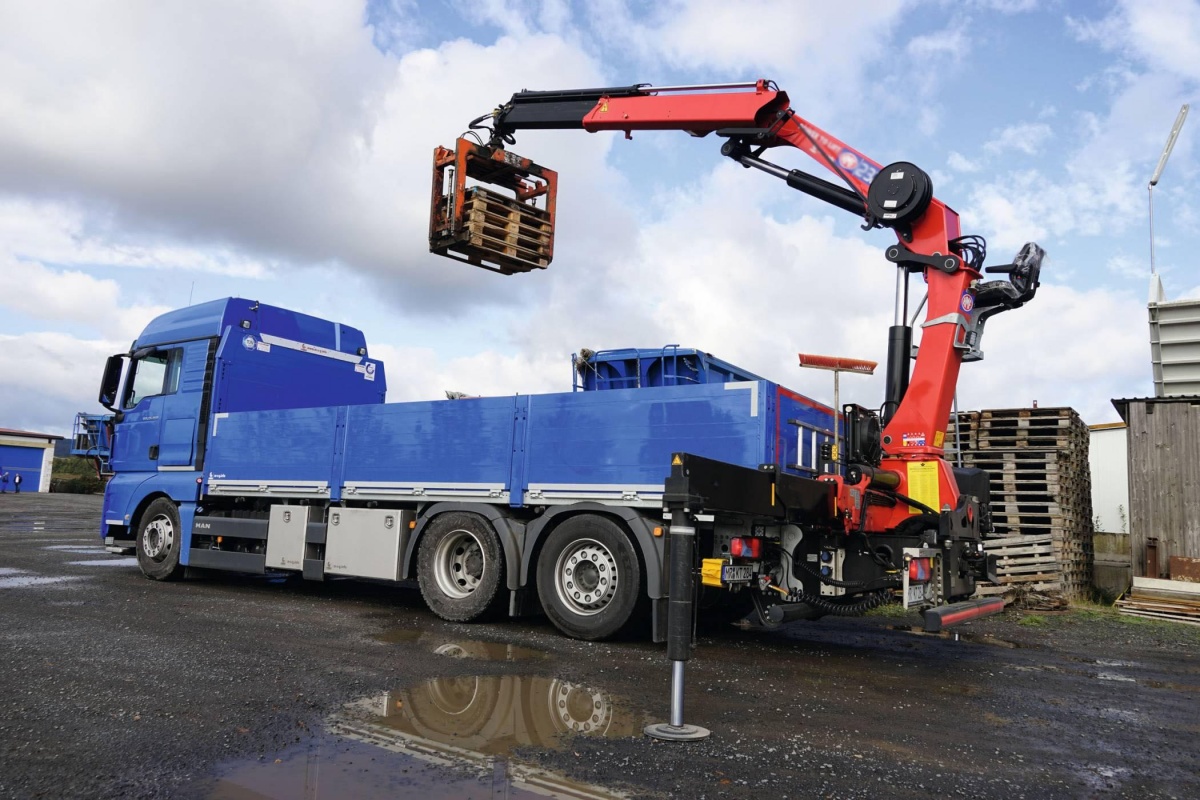
Remember that lifting capacity decreases as the boom extends. A crane that lifts 10 tons close to the truck may lift only a fraction of that weight at full outreach.
Choose a boom length that matches your actual working environment rather than simply opting for the longest model available.
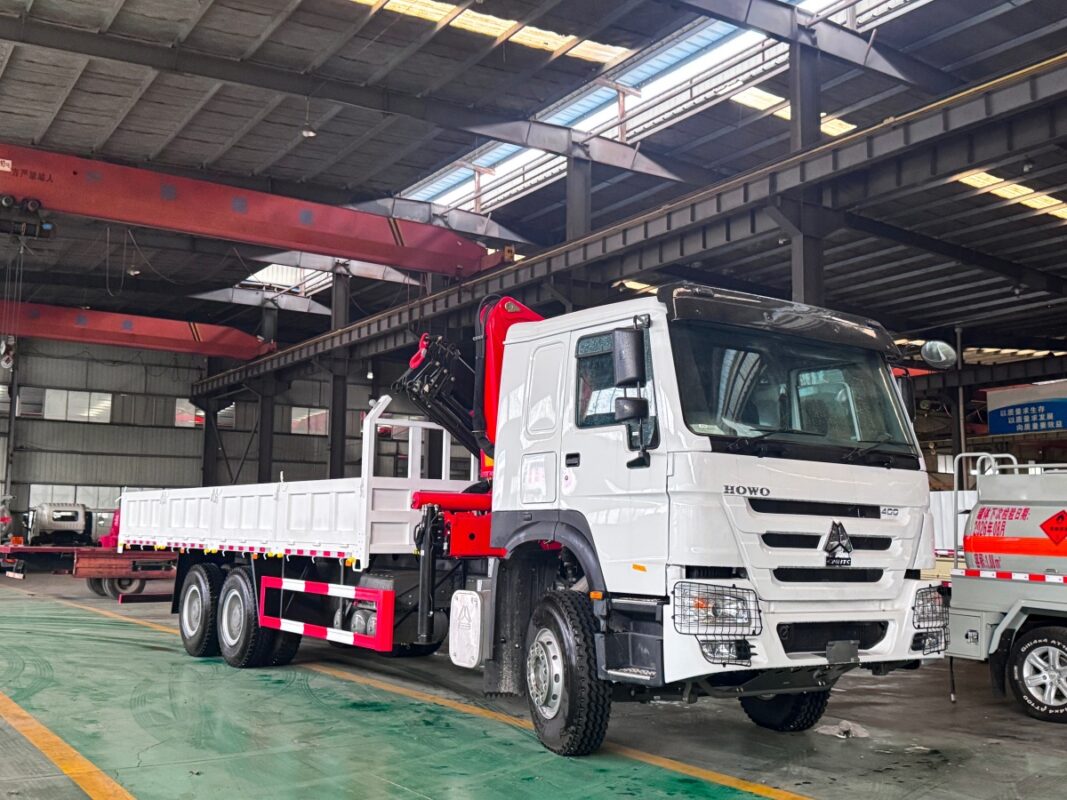
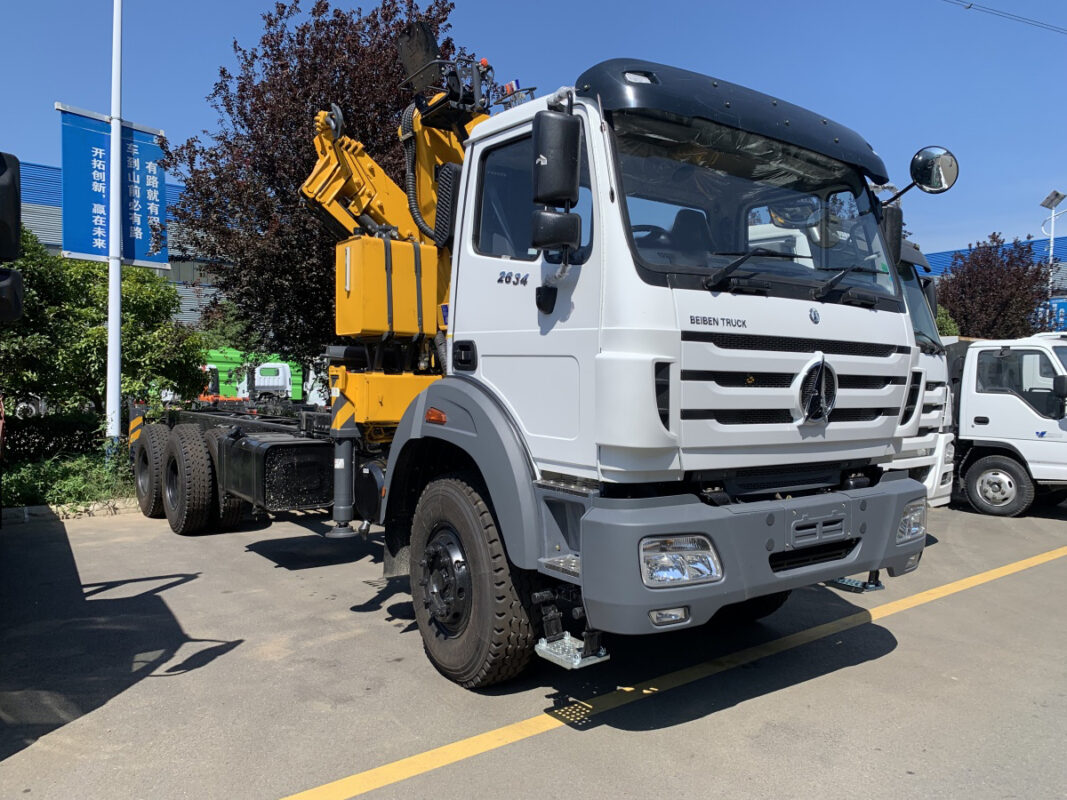
3. Which Truck Chassis Is Right for Your Application?
The chassis determines the crane‘s payload capacity, stability, and mobility.
Common configurations include:
4×2 – Ideal for light-duty lifting and urban deliveries.
6×4 – A versatile choice for construction and general logistics.
8×4 – Suitable for heavy-duty lifting and large infrastructure projects.
When selecting a chassis, also consider axle load limits, engine power, and local road regulations.
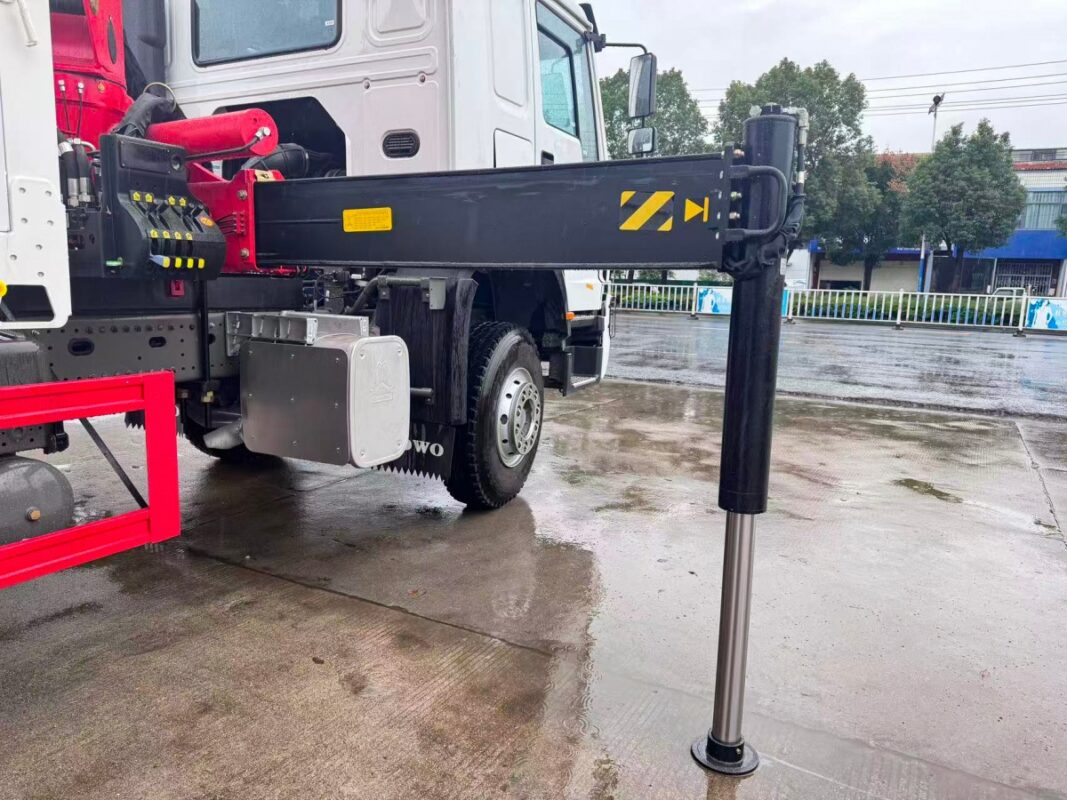
4. Is the Outrigger System Stable Enough?
A crane is only as safe as its foundation.
The outrigger span directly affects lifting stability, particularly when handling heavy loads at long outreach.
Before purchasing, evaluate:
Maximum outrigger spread
Hydraulic or manual outriggers
Independent outrigger control
Ground conditions at your jobsite
For uneven or confined worksites, flexible outrigger positioning can significantly improve operational safety.
5. Is the Hydraulic System Reliable?
The hydraulic system powers every lifting movement, making it one of the most critical components of the crane.
Look for:
High-quality hydraulic pumps
Reliable control valves
Durable hydraulic cylinders
Premium sealing components
Easy maintenance access
A dependable hydraulic system delivers smoother operation, greater lifting precision, and a longer service life while reducing downtime.
6. Which Control System Best Fits Your Operation?
Modern articulating boom cranes offer several control options.
These typically include:
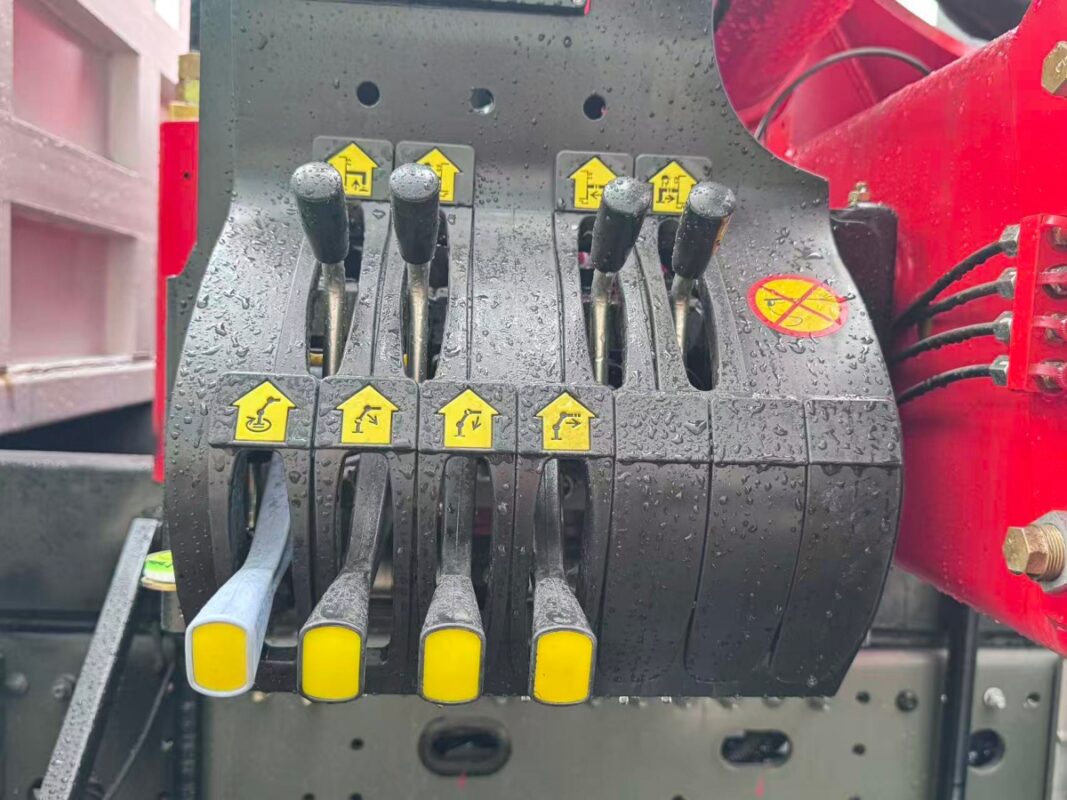
Manual valve operation
Top-seat controls
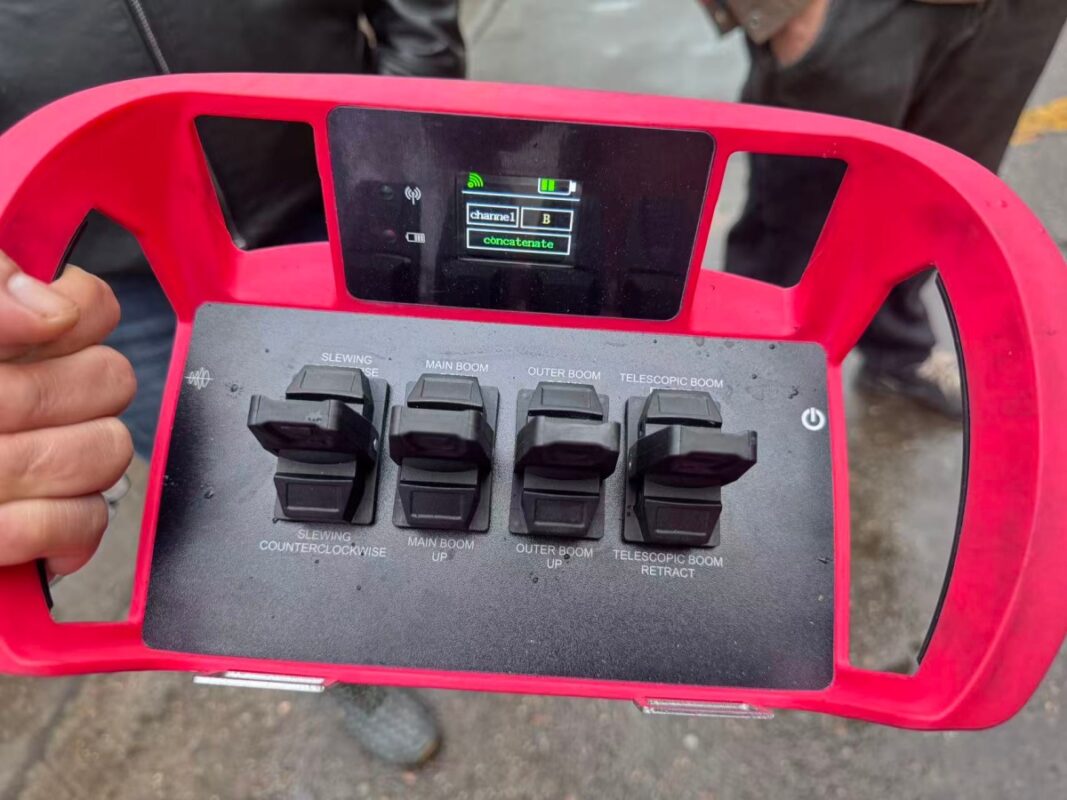
Wireless remote control
Electro-hydraulic proportional control
For improved safety and efficiency, many buyers now choose cranes equipped with:
Wireless remote control
Load moment limiter (LMI)
Overload protection
Emergency stop function
These features allow operators to monitor the load from the best viewing position while helping prevent unsafe lifting conditions.
7. Will the Folded Crane Fit Your Working Environment?
A crane’s folded dimensions are often overlooked.
Before purchasing, check:
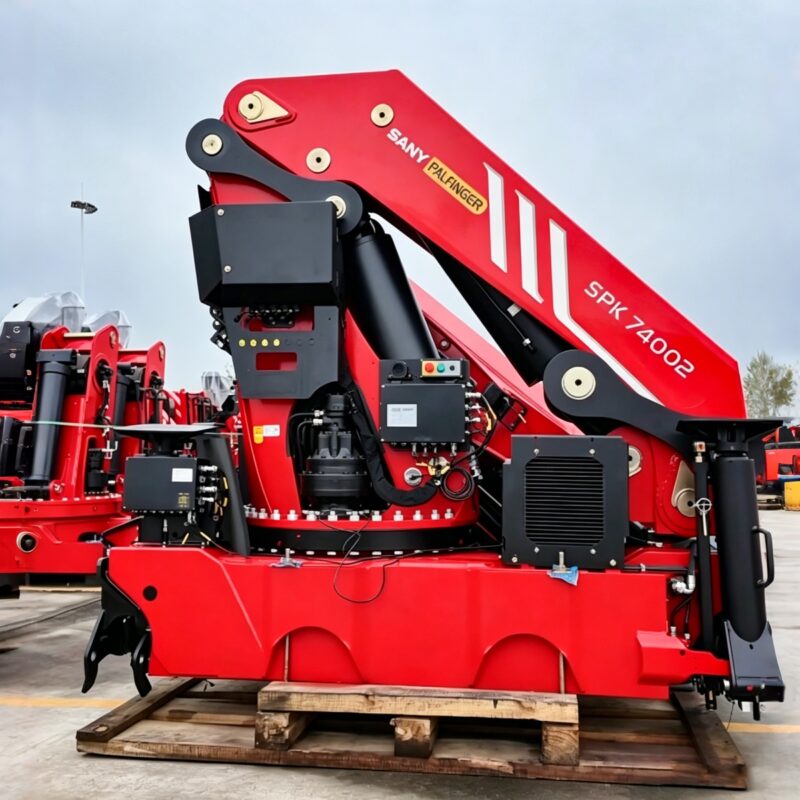
Overall folded height
Folded width
Installation space on the truck body
Remaining cargo bed length
Clearance through warehouses, tunnels, or construction sites
A compact folding design preserves valuable cargo space while improving maneuverability.
8. Think Beyond the Purchase Price
The lowest-priced crane is not always the most economical choice.
Consider the total cost of ownership, including:
Maintenance requirements
Spare parts availability
Fuel consumption
Hydraulic reliability
Warranty coverage
Technical support
Resale value
Investing in a reliable crane with strong after-sales support can reduce downtime and deliver greater value over its service life.
Quick Buyer’s Checklist
Before placing your order, confirm the following:
Required lifting capacity
Maximum lifting height
Horizontal outreach
Suitable truck chassis (4×2, 6×4, or 8×4)
Outrigger span and stability
Hydraulic system quality
Manual or remote control
Load moment limiter and safety features
Folded crane dimensions
After-sales service and spare parts support
Conclusion
Selecting the right articulating boom crane requires balancing lifting performance, vehicle compatibility, operational safety, and long-term ownership costs. By evaluating lifting capacity, boom reach, chassis configuration, outrigger stability, hydraulic quality, and intelligent control features before purchasing, buyers can choose a crane that matches both their current projects and future business needs.
A carefully selected articulating boom crane will not only improve lifting efficiency but also enhance jobsite safety, reduce maintenance costs, and deliver reliable performance for years to come.