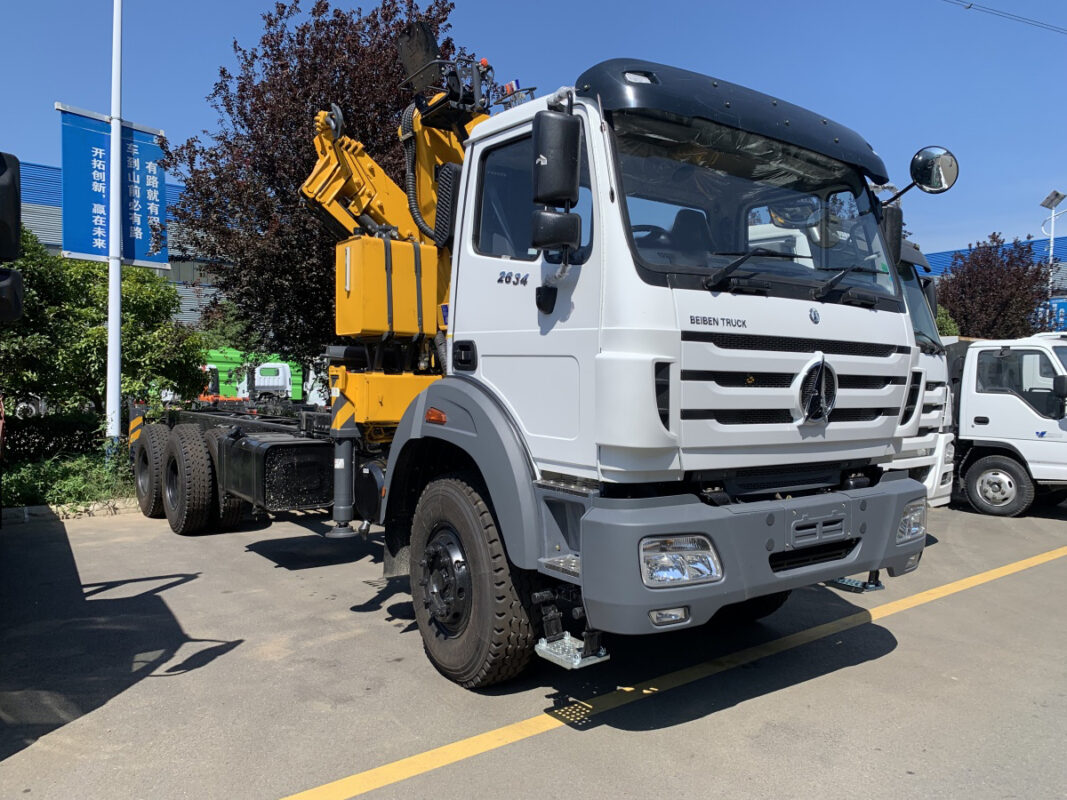
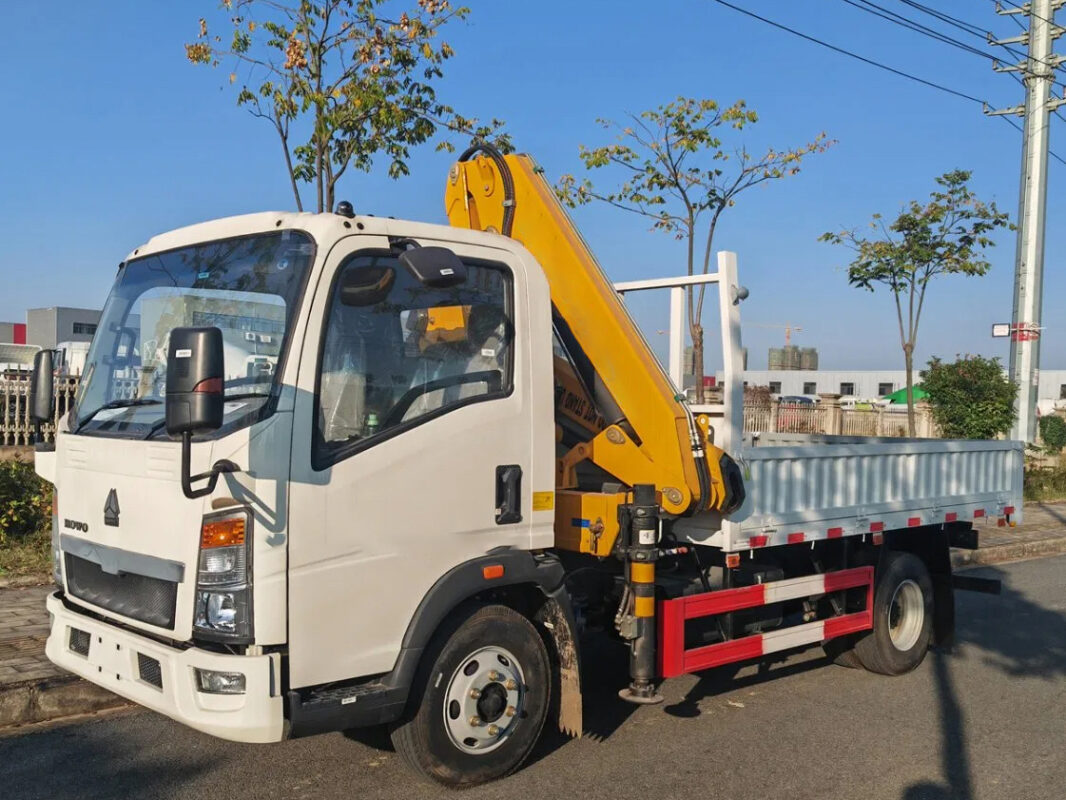
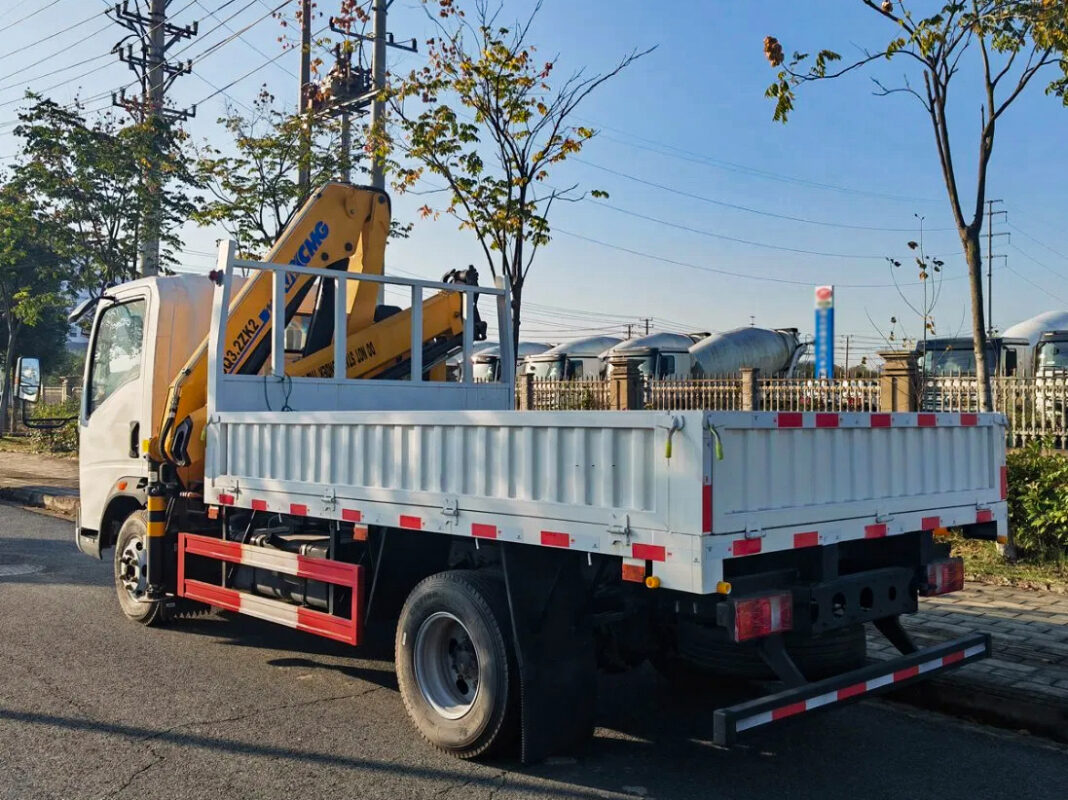
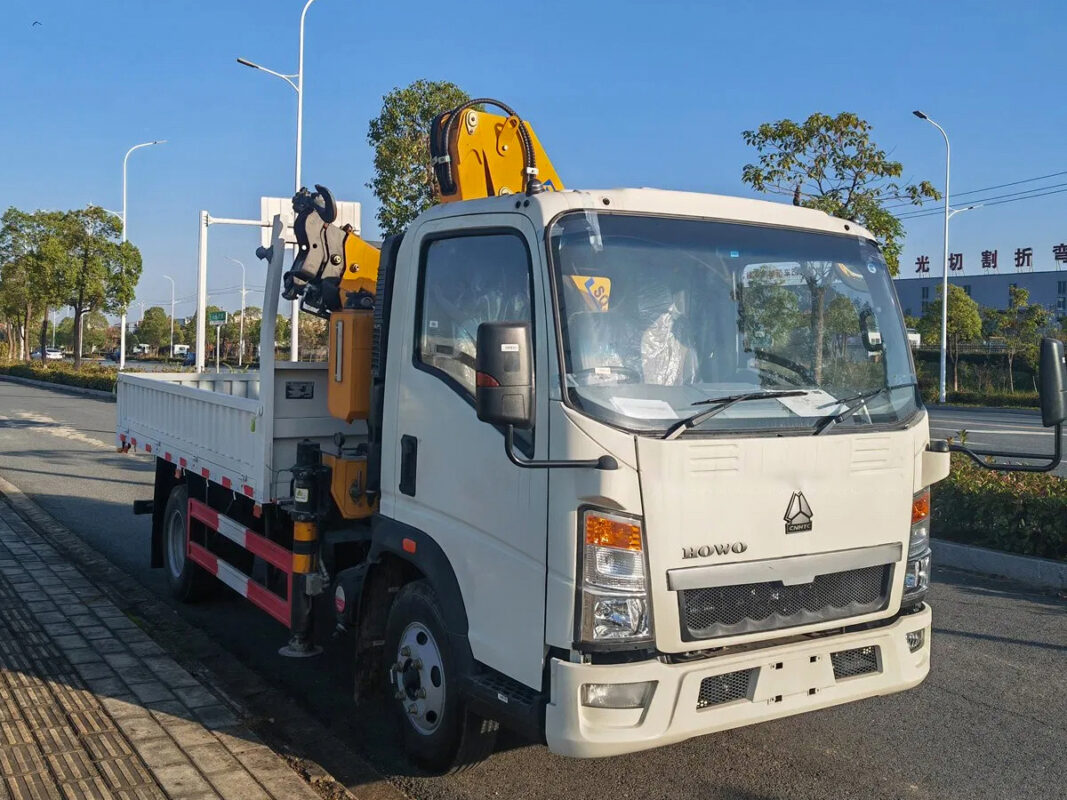
Choosing the right knuckle boom crane isn’t just about buying the biggest model available. Selecting the correct lifting capacity is essential for safe operation, higher productivity, and long-term cost savings. A crane that is too small may struggle to handle your daily lifting tasks, while an oversized crane increases purchase costs, vehicle weight, and fuel consumption.
Whether you’re working in construction, logistics, utility maintenance, or municipal services, understanding your lifting requirements will help you invest in the right equipment. This guide explains how to determine the ideal knuckle boom crane capacity for your business.
What Does Lifting Capacity Mean?
The lifting capacity of a knuckle boom crane refers to the maximum weight it can safely lift under specified working conditions. However, this capacity is affected by several factors, including the working radius, boom extension, lifting height, and load position.
For example, a crane rated to lift 10 tons can usually achieve that capacity only when the load is positioned close to the vehicle. As the boom extends farther away, the maximum lifting capacity decreases. This is why operators should always refer to the crane’s load chart before lifting.
Start by identifying the heaviest loads you lift regularly. Common examples include:
Steel beams
Construction materials
Shipping containers
Machinery and equipment
Utility poles
Building materials
Choose a crane with sufficient lifting capacity while leaving a reasonable safety margin for unexpected conditions.
2. Working Radius
The farther the load is from the truck, the lower the crane’s lifting capacity becomes.
For jobs that require lifting over walls, into buildings, or across obstacles, a larger crane with a higher lifting moment may be necessary, even if the load itself is relatively light.
3. Lifting Height
Projects involving multi-story buildings, bridge construction, or utility maintenance often require longer boom reach. A crane with greater lifting height may provide better efficiency than simply choosing one with a higher lifting capacity.
4. Frequency of Operation
If the crane operates every day, investing in a larger, more durable model can improve productivity and reduce long-term operating costs.
Recommended Lifting Capacities for Different Applications
The table below provides general recommendations for selecting a knuckle boom crane based on common applications.
Lifting Capacity
Typical Applications
2–3 Tons
Light municipal work, landscaping, sign installation
3–5 Tons
Building materials, utility maintenance, equipment transport
5–8 Tons
Construction projects, machinery loading, steel handling
8–12 Tons
Heavy construction, industrial equipment, infrastructure projects
12 Tons and Above
Large machinery, precast concrete, mining and energy projects
These recommendations may vary depending on the required boom length and working radius.
Don’t Focus Only on Maximum Capacity
Many buyers assume that choosing the highest-capacity knuckle boom crane is always the best decision. In reality, larger cranes come with higher purchase costs, increased vehicle weight, greater fuel consumption, and more demanding maintenance requirements.
Instead, select a crane that matches your actual workload. The goal is to achieve the best balance between lifting performance, operating costs, and vehicle payload.
Why Load Charts Matter
Every knuckle boom crane is supplied with a load chart, which shows the maximum allowable load at different boom lengths and working radii.
Before every lifting operation, operators should review the load chart to ensure the planned lift falls within the crane’s safe operating limits. Ignoring these limits can lead to equipment damage, vehicle instability, or serious safety incidents.
Proper operator training and adherence to the manufacturer’s guidelines are essential for safe and efficient crane operation.
Choosing the Right Truck Chassis
The truck chassis is just as important as the crane itself. A heavier knuckle boom crane requires a chassis capable of supporting the crane, the load, and any additional equipment while maintaining stability.
Common chassis configurations include:
4×2 – Suitable for light-duty cranes and urban deliveries.
6×4 – Ideal for medium-duty construction and logistics applications.
8×4 – Recommended for heavy lifting and large infrastructure projects.
Selecting the right chassis ensures better weight distribution, improved safety, and compliance with local road regulations.
Future-Proof Your Investment
When purchasing a knuckle boom crane, it’s worth considering not only your current projects but also your future business needs. If you expect to take on larger contracts or expand into new industries, choosing a slightly higher-capacity model can provide greater flexibility and reduce the need for future equipment upgrades.
However, oversizing the crane unnecessarily may increase ownership costs without delivering additional value. The best investment is a crane that meets your operational requirements while leaving room for moderate business growth.
Conclusion
Choosing the correct lifting capacity is one of the most important decisions when purchasing a knuckle boom crane. By considering the weight of your typical loads, working radius, lifting height, operating frequency, and chassis configuration, you can select a crane that delivers safe, efficient, and cost-effective performance.
Whether you need a compact 2-ton knuckle boom crane for municipal work or a 12-ton heavy-duty model for large construction projects, matching the crane to your actual application will maximize productivity and reduce operating costs.
At CSCTRUCK, we offer a complete range of knuckle boom cranes with lifting capacities from light-duty to heavy-duty models. We can customize the truck chassis, boom length, hydraulic system, and optional accessories to meet your specific operational needs. Contact CSCTRUCK Towcrane to find the right lifting solution for your business.