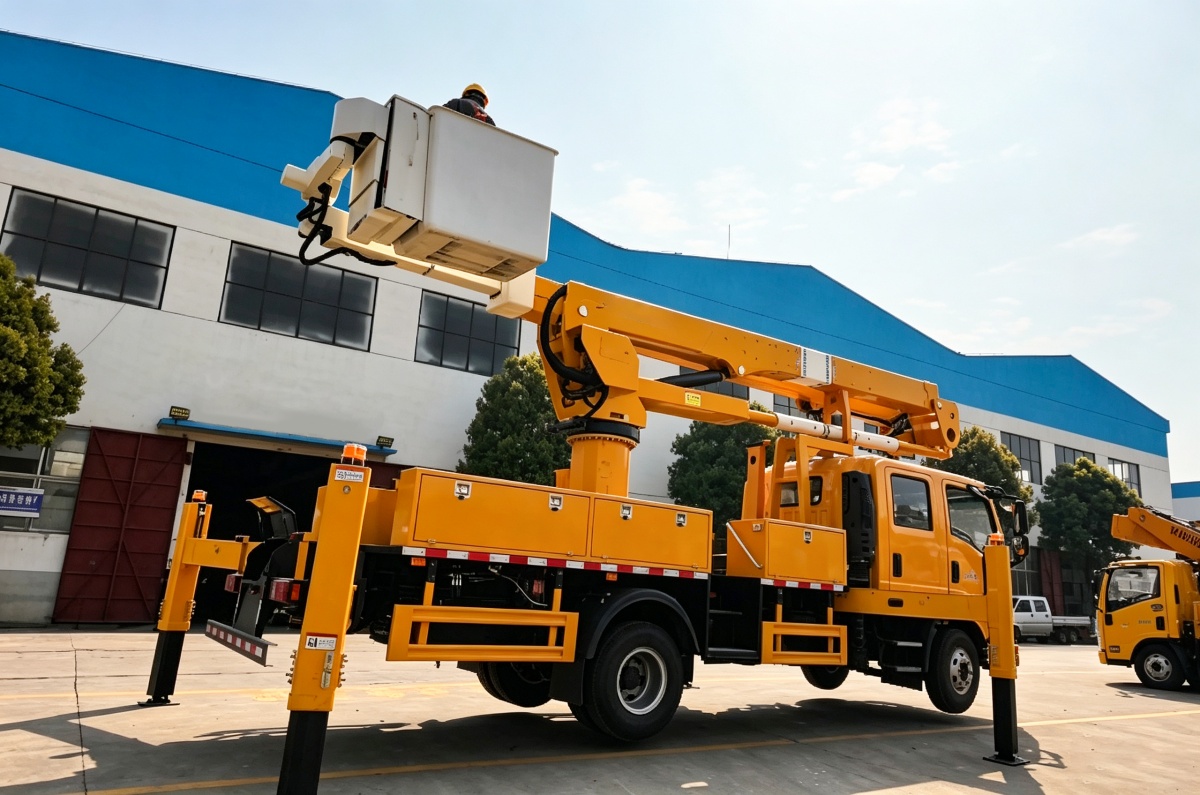
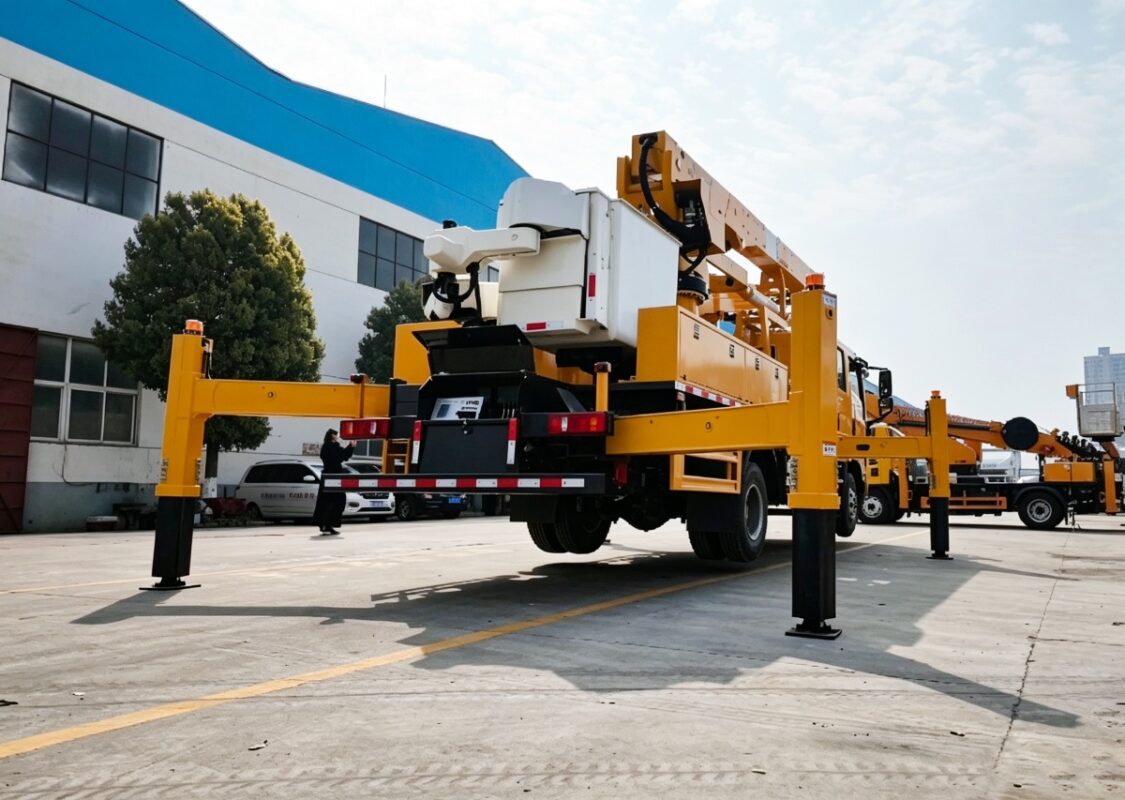
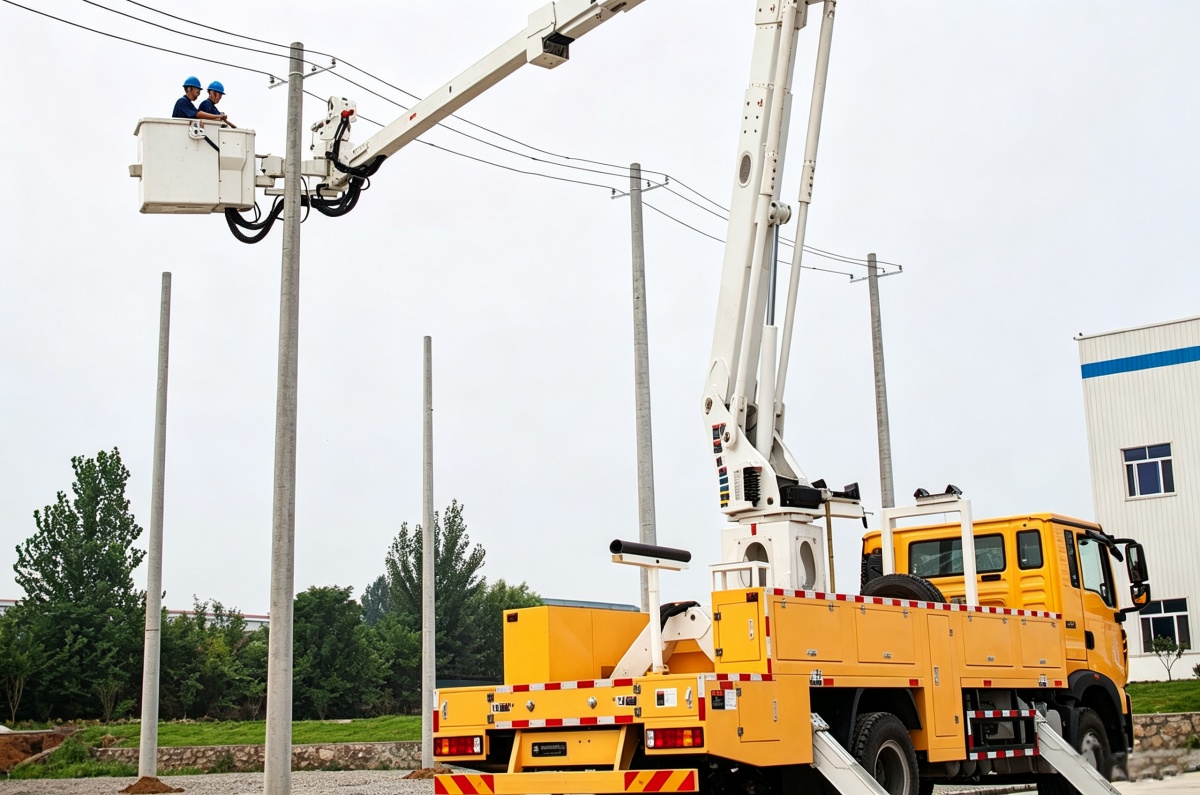
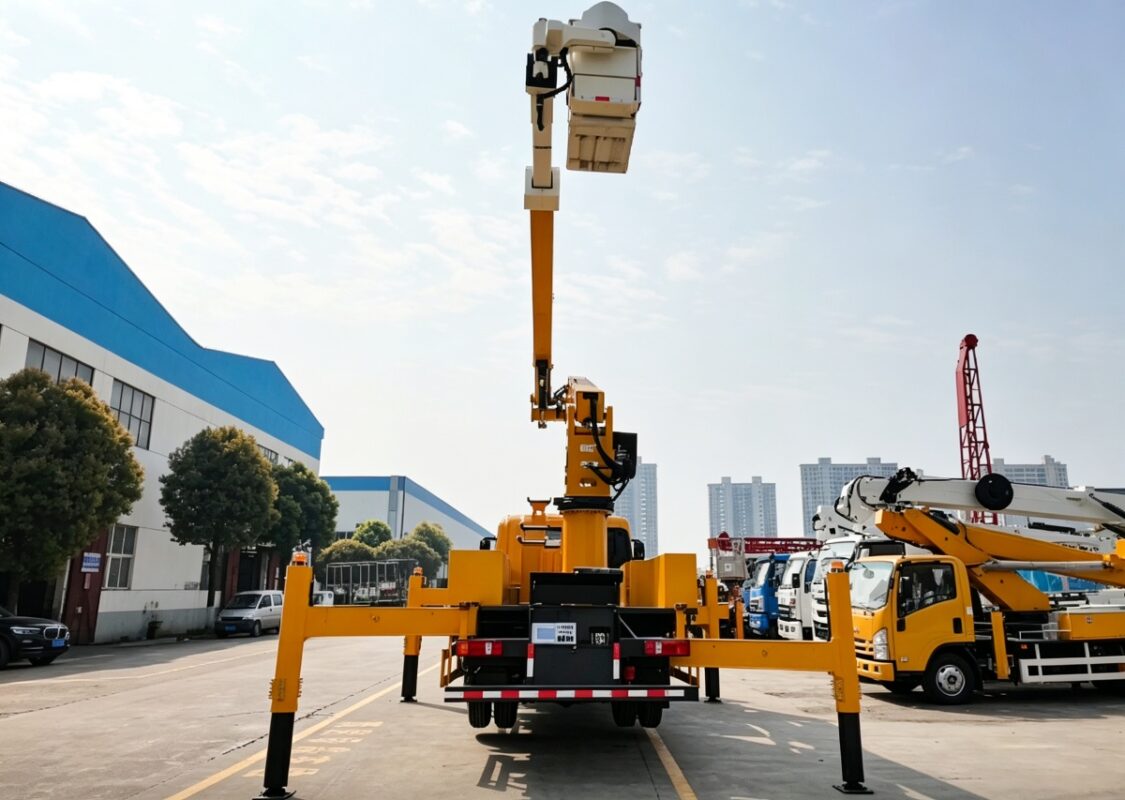
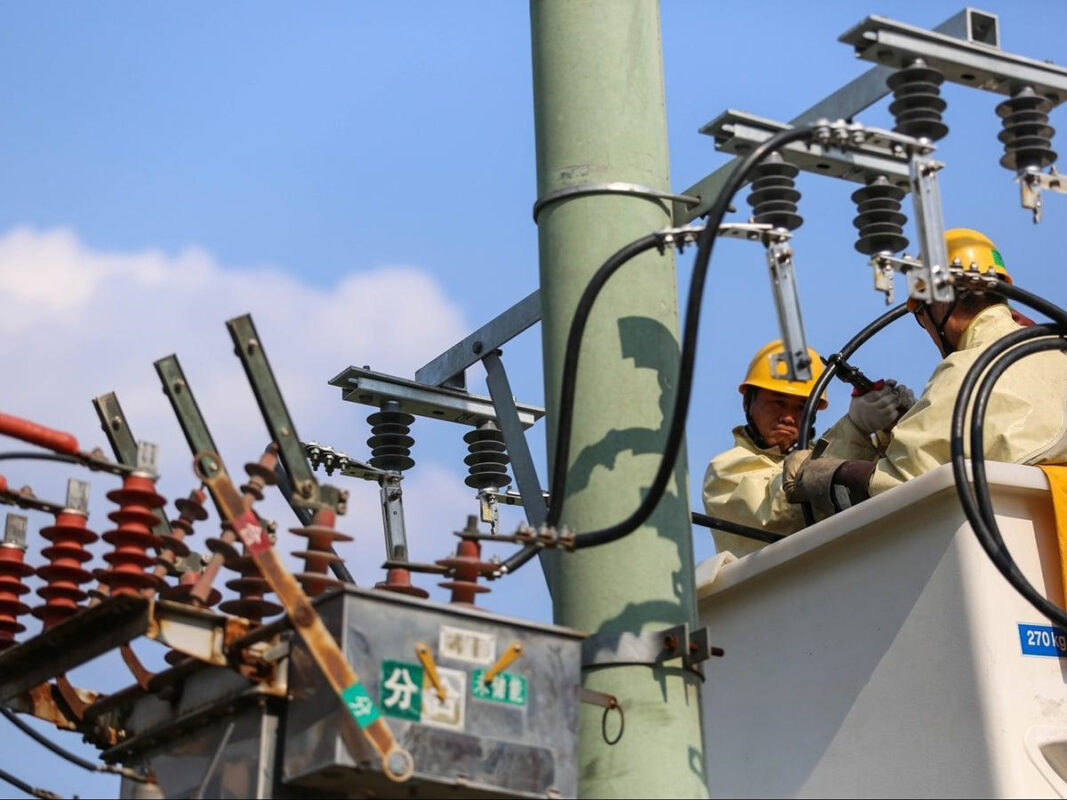
Power distribution and transmission networks are becoming increasingly complex as countries expand their electrical infrastructure to meet growing energy demands. From urban distribution lines to ultra-high-voltage transmission corridors, maintaining energized power systems safely requires specialized equipment. Among the most important of these machines is the insulated bucket truck, a vehicle specifically designed to protect utility workers from electrical hazards while performing live-line maintenance.
One of the most common questions utility companies ask when purchasing an insulated aerial lift is: “What voltage rating do we need?” The answer depends on the type of electrical network, applicable safety standards, and the work to be performed. Today’s insulated bucket trucks are available for applications ranging from 10kV distribution networks to 220kV transmission systems, with specialized solutions capable of supporting even higher voltage maintenance.
This guide explains what voltage ratings mean, how insulated bucket trucks are classified, and how to choose the right vehicle for your utility operations.
What Is an Insulated Bucket Truck?
An insulated bucket truck is an aerial work platform equipped with a boom and work bucket, manufactured from high-dielectric-insulating materials, typically fiberglass composites. Unlike conventional aerial lifts, insulated models are designed to minimize the risk of electric shock when working near energized power lines.
These vehicles allow electrical crews to perform:
Live-line maintenance
Power line inspections
Pole replacement
Transformer installation
Switchgear maintenance
Emergency outage restoration
Tree trimming near energized conductors
The insulation system protects operators by electrically isolating the working platform from the truck chassis and the ground.
Understanding Voltage Ratings
A voltage rating indicates the maximum electrical system voltage for which an insulated aerial device is designed and tested under specified safety standards. It does not mean the boom can directly contact energized conductors at that voltage without following proper live-line work procedures.
The actual level of protection depends on several factors, including:
Insulating boom design
Fiberglass material quality
Dielectric testing
Environmental conditions
Operator training
Proper use of insulating equipment
Therefore, voltage ratings should always be considered alongside national utility safety regulations.
Common Voltage Classes
10kV–35kV: Distribution Networks
The majority of municipal utility work is performed on medium-voltage distribution systems.
Typical applications include:
Residential power distribution
Commercial electrical networks
Street lighting maintenance
Distribution transformer replacement
Utility pole repairs
Insulated bucket trucks in this range usually feature working heights between 12 and 24 meters, providing excellent mobility for urban environments.
66kV–110kV: Regional Transmission Systems
As electrical networks expand, higher-voltage transmission lines require more specialized equipment.
Typical work includes:
Transmission line inspection
Insulator replacement
Hardware maintenance
Conductor repair
Substation connections
These vehicles generally require:
Longer insulated booms
Larger outreach
Enhanced stability
Higher-capacity outriggers
132kV–220kV: High-Voltage Transmission
High-voltage transmission maintenance demands the highest levels of insulation performance and operational safety.
Applications include:
National transmission grids
Major substations
Cross-country transmission corridors
Utility infrastructure upgrades
Emergency restoration following storms
Bucket trucks designed for 220kV operations typically incorporate advanced insulation systems, precision hydraulic controls, and extensive safety monitoring.
Beyond 220kV
Some utility companies operate 330kV, 500kV, and even 765kV transmission networks.
Maintenance at these voltage levels often requires specialized equipment such as:
Insulated boom lifts with extended reach
Live-line maintenance vehicles
Bare-hand maintenance systems
Insulated platforms with auxiliary insulating devices
These applications usually involve highly trained utility specialists and equipment built specifically for extra-high-voltage (EHV) transmission work.
Key Components That Ensure Electrical Safety
An insulated bucket truck relies on more than just an insulated boom.
Critical safety features typically include:
Fiberglass insulated upper boom
Insulated work platform
Dielectric hydraulic hoses
Electrical isolation joints
Grounding systems
Emergency lowering controls
Boom insulation monitoring
Hydraulic interlock systems
Together, these components provide multiple layers of protection during energized work.
Why Regular Dielectric Testing Matters
Even the best insulation materials gradually deteriorate due to:
UV exposure
Moisture
Dirt contamination
Mechanical wear
Hydraulic oil residue
Aging of fiberglass materials
To maintain safety, utility companies perform regular dielectric testing according to applicable standards.
Routine inspections typically include:
Boom insulation testing
Bucket insulation testing
Leakage current measurements
Visual inspection for cracks
Cleaning of insulating surfaces
Proper maintenance ensures the equipment continues to meet its original insulation performance.
Choosing the Right Voltage Rating
Selecting the correct insulated bucket truck depends on several operational factors.
Consider the following:
Type of electrical network
Distribution
Transmission
Substation maintenance
Maximum system voltage
The truck should match the highest voltage level encountered during normal operations.
Working height
Higher voltage lines are generally mounted higher above ground, requiring greater working height and outreach.
Job requirements
Some maintenance tasks require greater side reach, heavier platform capacity, or specialized attachments.
Local safety regulations
Always select equipment that complies with national utility standards and local electrical safety regulations.
Industries That Depend on Insulated Bucket Trucks
Although electric utilities are the primary users, insulated aerial lifts are also widely employed by:
National power grid companies
Electrical contractors
Renewable energy operators
Railway electrification projects
Industrial power plants
Airport electrical maintenance teams
Telecommunications companies working near energized lines
Their versatility makes them indispensable wherever work is performed close to energized electrical infrastructure.
Conclusion
From 10kV urban distribution lines to 220kV transmission networks and beyond, insulated bucket trucks play a vital role in maintaining reliable electrical infrastructure while protecting utility workers from high-voltage hazards.
Choosing the appropriate voltage rating is about more than matching system voltage—it requires careful consideration of working height, insulation performance, operational environment, and compliance with safety standards. By selecting the right insulated aerial platform and maintaining it through regular dielectric testing, utility companies can improve maintenance efficiency, reduce downtime, and ensure safe live-line operations for years to come.