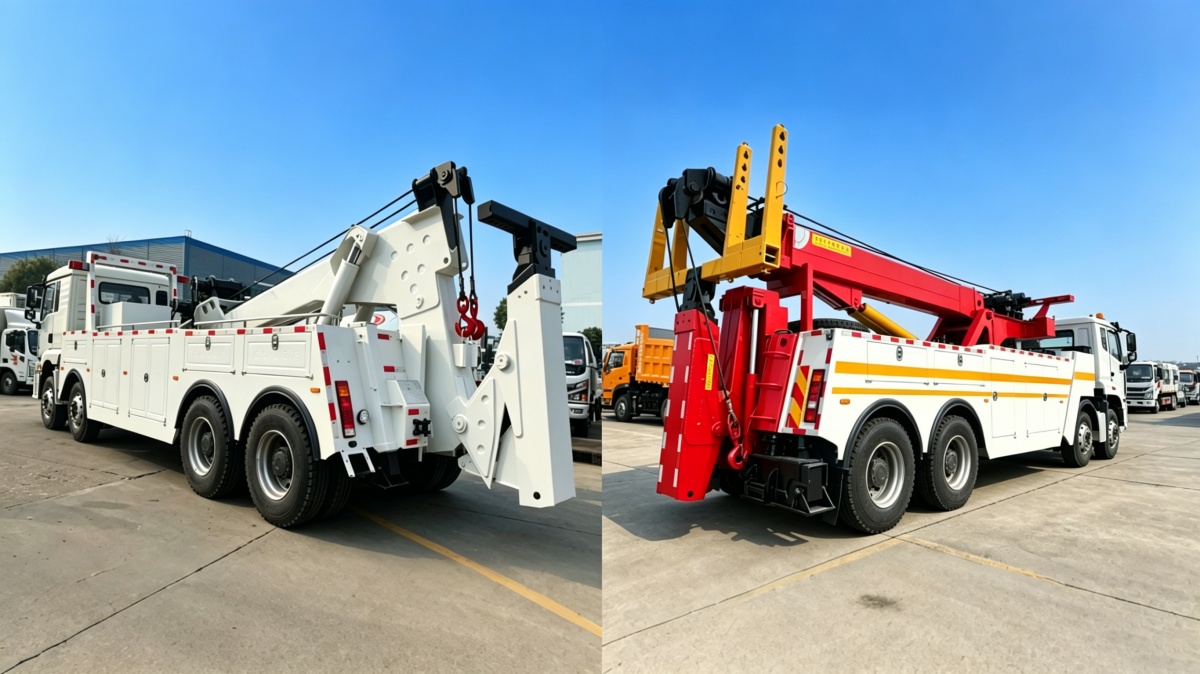
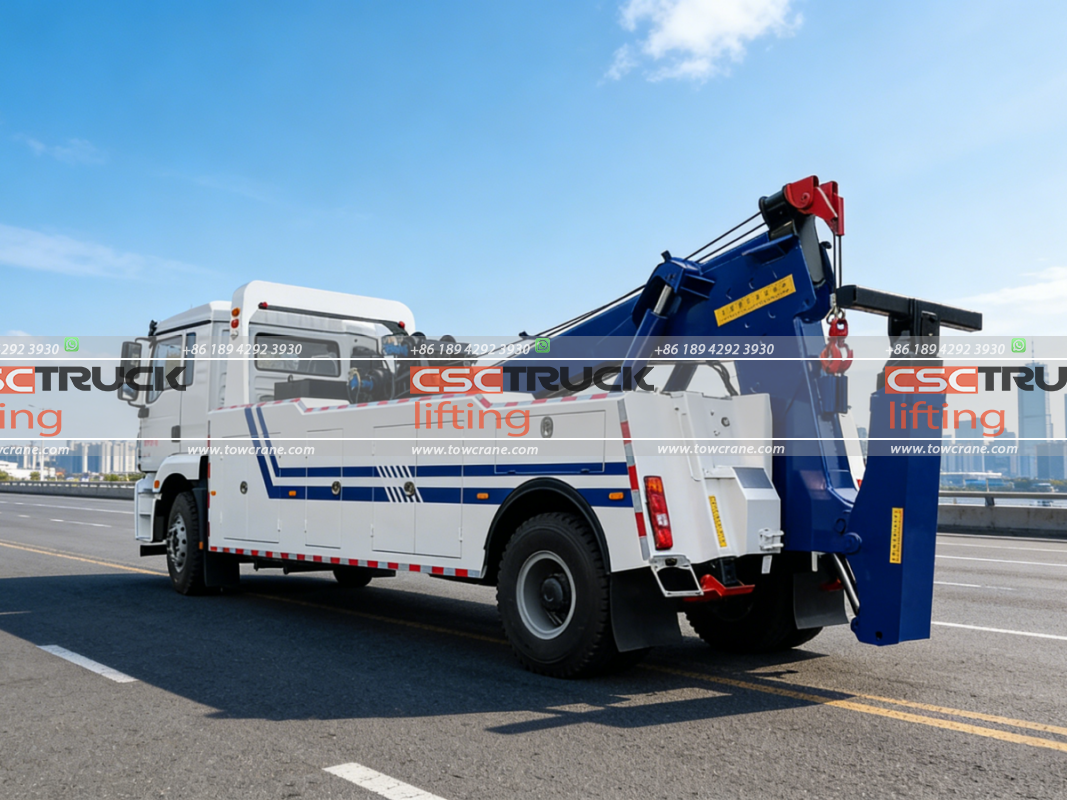
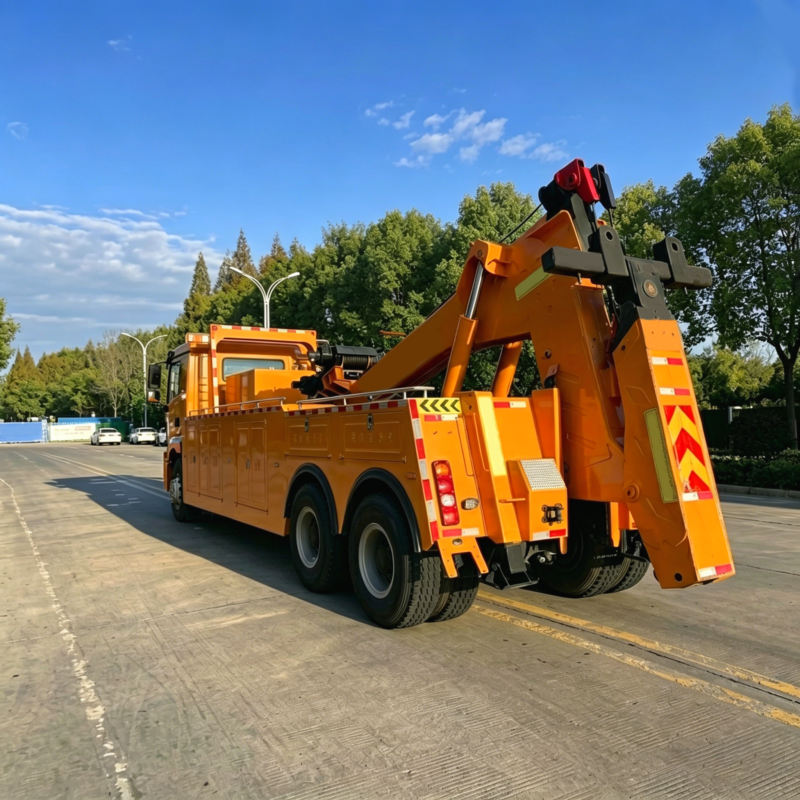
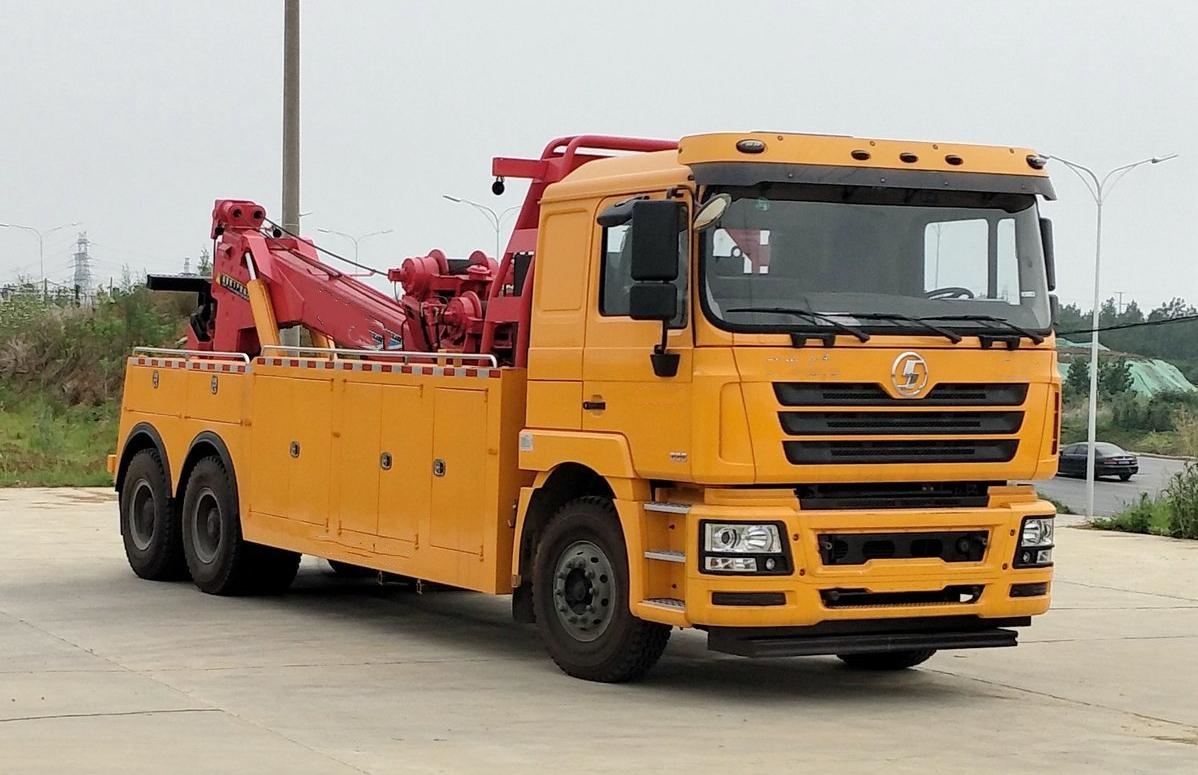
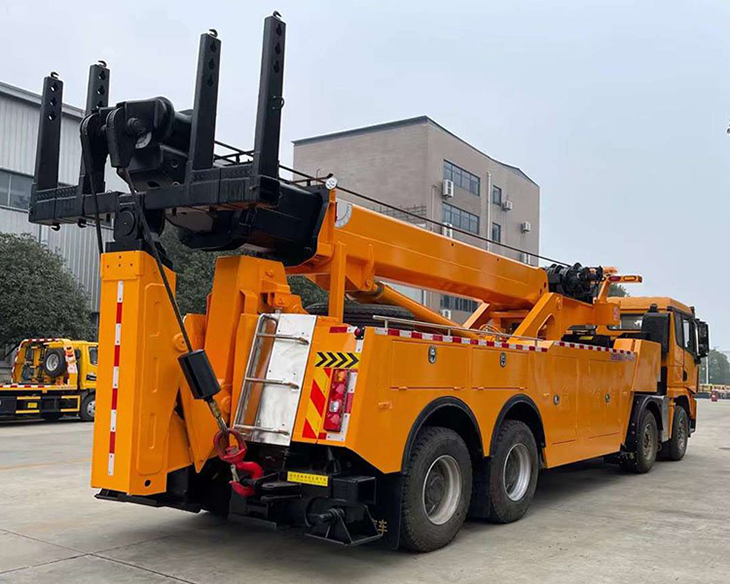
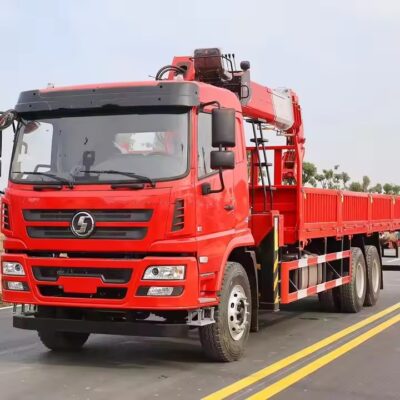
When it comes to heavy-duty vehicle recovery, one question is frequently asked across the towing industry: Should you choose an integrated tow truck or a rotator tow truck?
The answer depends entirely on the type of work you handle. Neither vehicle is universally “better.” Instead, each is designed for different recovery scenarios, operational demands, and business priorities.
An integrated tow truck is built for fast, efficient heavy towing in daily operations, while a rotator tow truck is engineered for extreme recovery situations requiring maximum lifting power and flexibility.
Understanding the strengths and limitations of both can help towing companies, fleet operators, and recovery professionals choose the right equipment for the job.
What Is an Integrated Tow Truck?
An integrated tow truck, sometimes called an integrated wrecker or self-loader, is a recovery vehicle where the boom, wheel-lift, and towing systems are structurally integrated into the truck chassis.
Unlike traditional tow trucks with externally mounted equipment, the integrated design improves:
Structural stability
Weight distribution
Towing efficiency
Operational durability
Most integrated tow trucks also feature additional rear axles and reinforced hydraulic systems to support heavy commercial vehicle recovery.
Typical Applications
Integrated tow trucks are widely used for:
Tractor-trailer towing
Bus and coach recovery
Commercial fleet towing
Highway roadside assistance
Delivery truck recovery
Typical Capacity
Depending on the model, integrated tow trucks can handle:
Medium-duty recoveries around 3–5 tons
Heavy-duty towing capacities up to 35–50 tons
This makes them ideal for routine heavy commercial towing operations.
What Is a Rotator Tow Truck?
A rotator tow truck is considered one of the most advanced recovery vehicles in the towing industry.
Its defining feature is a massive 360-degree rotating hydraulic boom, allowing the truck to function similarly to a mobile crane.
Unlike integrated tow trucks, rotators can lift and rotate loads from multiple angles without constantly repositioning the vehicle itself.
Typical Applications
Rotators are commonly used for:
Overturned semi-truck recovery
Tanker accident recovery
Heavy machinery extraction
Vehicles trapped in ditches or ravines
Complex highway accident scenes
Typical Capacity
Modern rotator tow trucks may offer:
Lifting capacities of 50–75 tons
Boom heights exceeding 12 meters
Long-reach precision recovery capability
These trucks are designed specifically for technically demanding recoveries where ordinary wreckers cannot safely operate.
Key Differences Between Integrated and Rotator Tow Trucks
Feature
Integrated Tow Truck
Rotator Tow Truck
Boom Rotation
Fixed or limited
Full 360° rotation
Typical Capacity
35–50 tons
50–75 tons
Deployment Speed
Fast
Slower
Vehicle Size
More compact
Larger and heavier
Operational Complexity
Moderate
High
Purchase Cost
Lower
Significantly higher
Best Use Case
Daily heavy towing
Complex heavy recovery
The biggest distinction is simple:
Integrated tow trucks prioritize towing efficiency
Rotators prioritize lifting flexibility and recovery capability
Advantages of Integrated Tow Trucks
1. Faster Daily Operations
Integrated tow trucks are designed for high-frequency commercial towing.
Because the towing system is fully integrated into the chassis, operators can complete hookups and recoveries quickly, especially on highways and urban roads.
2. Better Urban Maneuverability
Compared to large rotators, integrated tow trucks are more compact and easier to operate in:
City streets
Parking lots
Industrial zones
Congested highways
3. Lower Operating Costs
Integrated tow trucks are considerably less expensive than rotators in terms of:
Initial purchase price
Maintenance costs
Fuel consumption
Operator training
For many towing companies, this makes them a more practical investment.
4. Excellent Stability
The integrated structure provides strong chassis reinforcement and improved towing balance during transport.
5. Ideal for Routine Heavy-Duty Towing
For buses, delivery trucks, motorhomes, and tractor-trailers, integrated tow trucks are often more than sufficient.
Limitations of Integrated Tow Trucks
Despite their strengths, integrated tow trucks have several limitations.
Limited Boom Movement
Most integrated systems have fixed or minimally rotating booms, meaning the truck itself must often be repositioned during recovery.
Less Effective in Complex Recoveries
Integrated tow trucks struggle with:
Overturned semis
Vehicles trapped in deep ditches
Tight-angle recoveries
Severe crash scenes
Lower Maximum Lift Capacity
Although powerful, they generally cannot match the extreme lifting capability of rotators.
Advantages of Rotator Tow Trucks
1. Unmatched Recovery Flexibility
The 360-degree rotating boom allows operators to recover vehicles from difficult positions without moving the truck.
This is critical in:
Narrow highways
Confined urban spaces
Mountain roads
Multi-vehicle accident scenes
2. Massive Lifting Power
Rotators are built for the industry’s toughest jobs, including:
Flipping overturned semi-trucks upright
Recovering tankers
Lifting construction equipment
Extracting heavy machinery
3. Increased Safety
Rotators typically include advanced:
Hydraulic outriggers
Stabilization systems
Precision boom controls
This improves operator safety during high-risk recoveries.
4. Reduced Highway Closures
Because the boom rotates independently, the truck can often operate from the side of the road instead of blocking multiple lanes.
This helps minimize traffic disruption during highway recovery operations.
5. Crane-Like Precision
Modern rotators use advanced hydraulic systems that allow highly accurate lifting and positioning.
This reduces the risk of additional vehicle damage during recovery.
Limitations of Rotator Tow Trucks
Extremely Expensive
Rotators are among the most expensive recovery vehicles available.
A premium heavy-duty rotator can easily exceed $400,000 USD.
Slower Setup Time
Rotators require:
More operational space
Stabilizer deployment
Additional safety preparation
This makes them slower for simple towing jobs.
Overqualified for Routine Work
Using a rotator for basic breakdown towing is often inefficient and unnecessarily costly.
Specialized Training Required
Rotator operation is highly technical and requires experienced operators with advanced recovery training.
When Should You Choose Each One?
Choose an Integrated Tow Truck If:
Your business handles daily commercial towing
Most jobs involve buses, trucks, or fleet vehicles
Fast response time is critical
You mainly operate in urban or highway environments
You want a cost-effective heavy towing solution
Integrated tow trucks are ideal for companies focused on routine heavy-duty towing operations.
Choose a Rotator Tow Truck If:
You specialize in complex heavy recoveries
You frequently recover overturned vehicles
You work in difficult terrain or tight spaces
Precision lifting is essential
Your operations involve extremely heavy loads
Rotators are best suited for professional heavy recovery specialists.
Conclusion
Integrated tow trucks and rotator tow trucks are designed for different operational priorities.
An integrated tow truck offers speed, efficiency, lower cost, and practical daily towing performance.
A rotator tow truck delivers unmatched lifting capability, flexibility, and precision for the most challenging recovery situations.
Neither vehicle is universally better.
The right choice depends on:
Your recovery environment
Typical vehicle types
Operational complexity
Budget
Business specialization
For many towing companies, the most effective strategy is not choosing one over the other—but using both where they perform best.