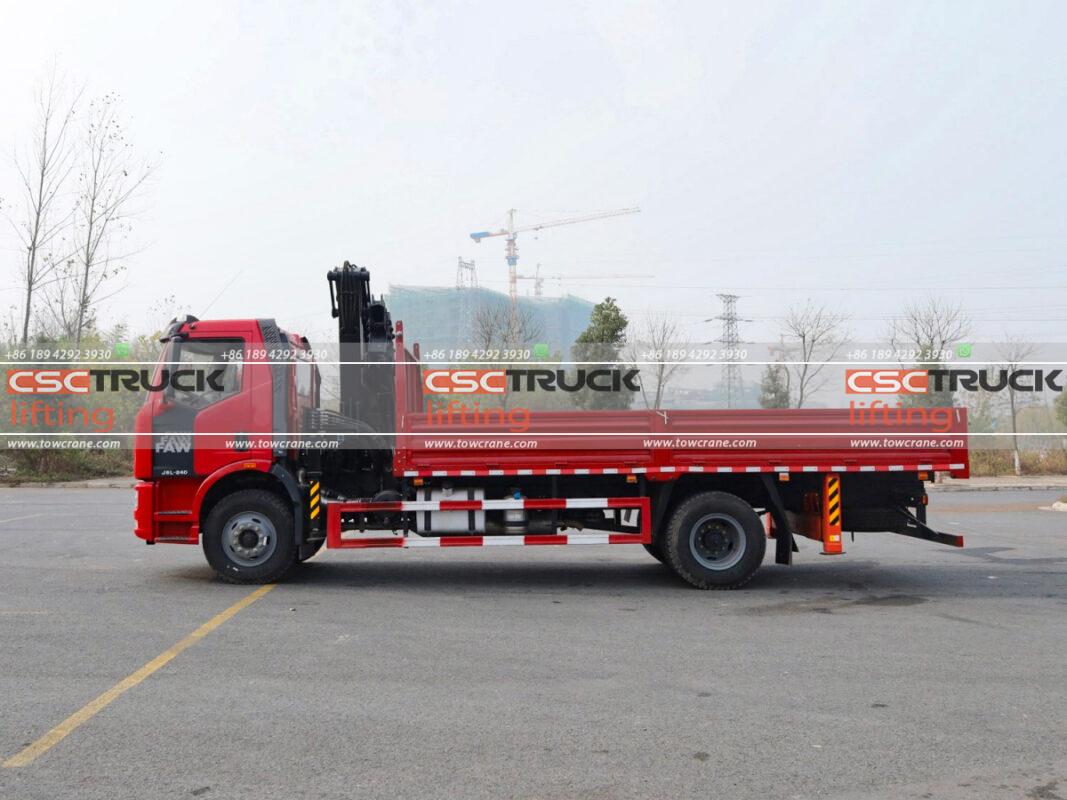
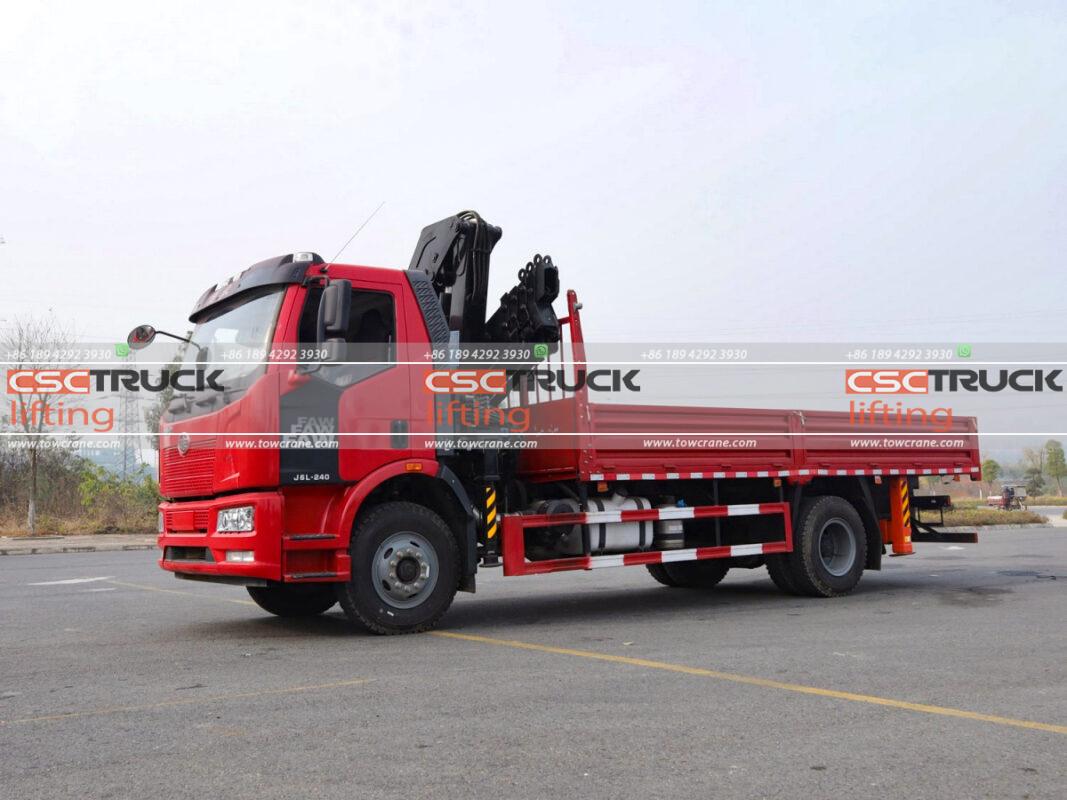
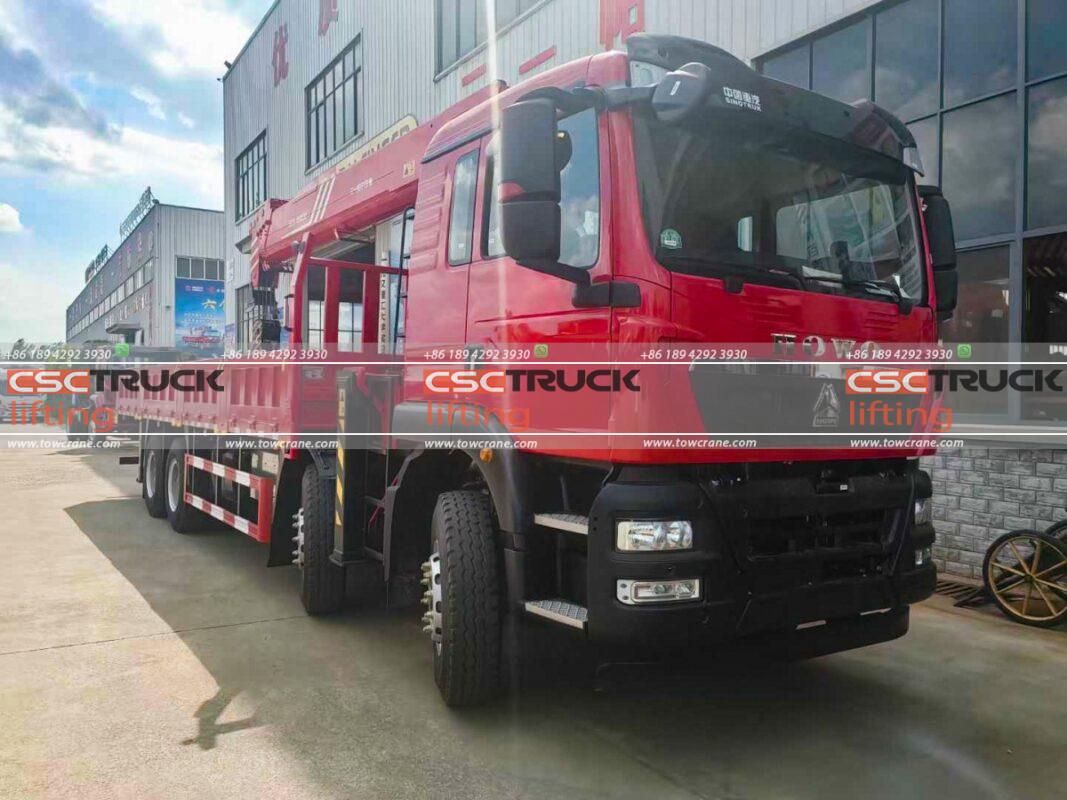
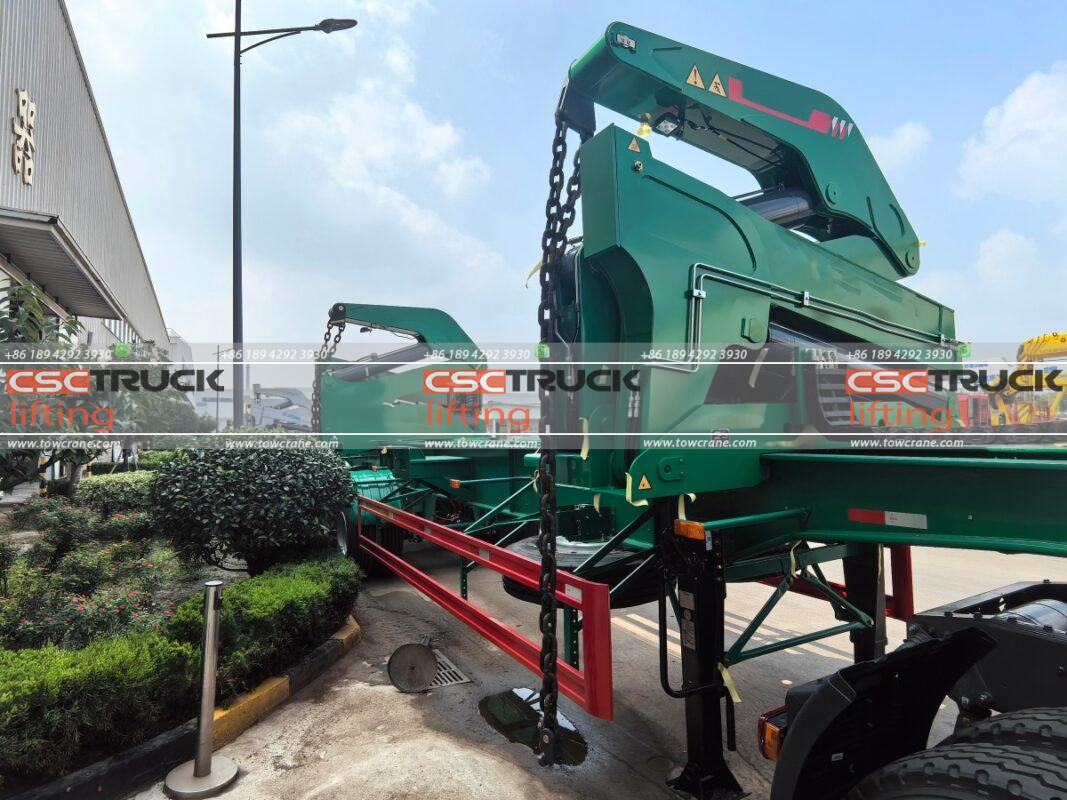
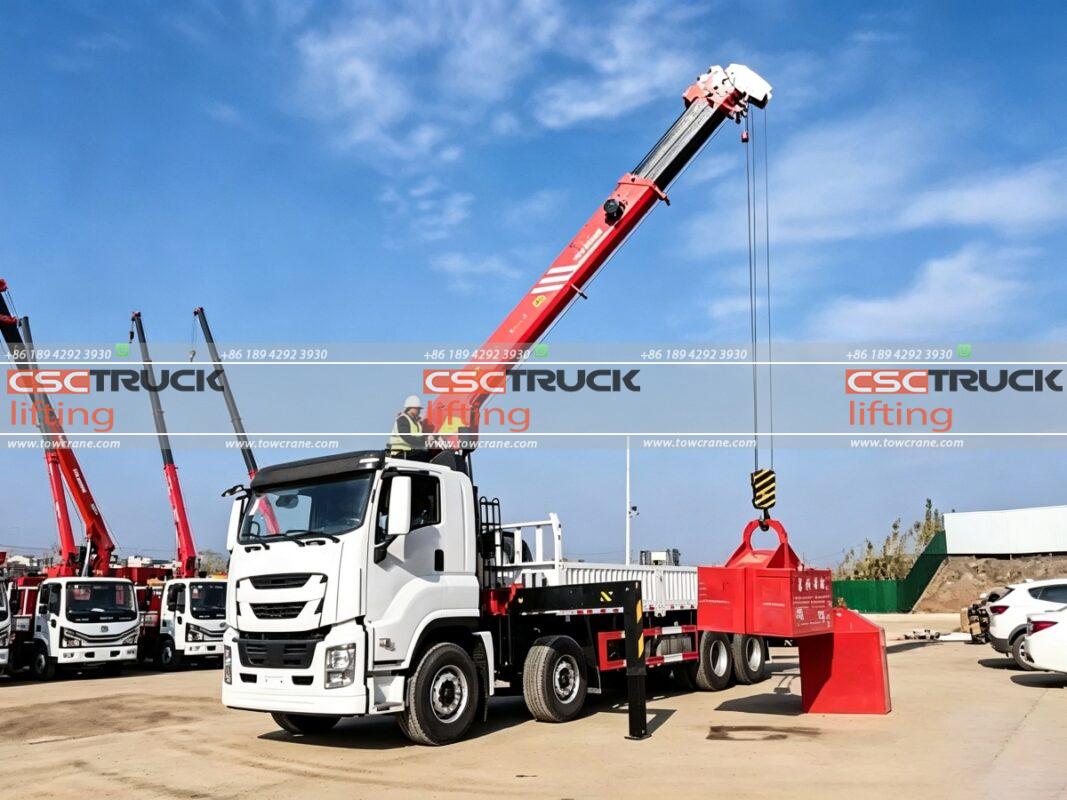
Construction, logistics, infrastructure development, and industrial material handling all require equipment that can lift heavy loads safely while remaining easy to transport between job sites. A Truck-Mounted Crane offers the perfect combination of mobility and lifting capability by integrating a hydraulic crane onto a commercial truck chassis.
Unlike conventional mobile cranes that are designed primarily for lifting, a Truck-Mounted Crane can both transport cargo and perform loading or unloading operations without requiring additional lifting equipment. This versatility reduces labor costs, shortens project timelines, and improves overall job site efficiency.
Today, truck-mounted cranes are widely used by construction contractors, utility companies, logistics providers, mining operators, municipalities, and emergency rescue teams around the world.
How Does a Truck-Mounted Crane Work?
A Loader Crane operates through a hydraulic system powered by the truck’s engine via a Power Take-Off (PTO). When the truck reaches the work site, hydraulic outriggers extend to stabilize the vehicle before lifting begins.
The crane boom can then rotate, lift, lower, and extend using hydraulic cylinders controlled by the operator. Modern cranes often feature proportional hydraulic controls or wireless remote-control systems, allowing precise movement while improving safety and productivity.
Most truck-mounted cranes can complete an entire loading or unloading operation without requiring forklifts or separate mobile cranes, making them highly efficient for on-site material handling.
Main Components of a Truck-Mounted Crane
Although different models vary in size and lifting capacity, most loader cranes include the following components:
Truck Chassis
The commercial truck chassis provides transportation and structural support for the crane. The chassis is selected according to the required lifting capacity, payload, and operating conditions.
Hydraulic Crane
The hydraulic crane is the primary lifting mechanism. It converts hydraulic pressure into lifting force, allowing operators to handle heavy materials with accuracy and stability.
Boom System
Depending on the application, the boom may be a telescopic or articulated (knuckle boom) design. Some specialized models also use side-mounted lifting cranes for container handling.
Hydraulic Outriggers
Outriggers extend during lifting operations to stabilize the truck and distribute the load evenly, ensuring safe operation.
Control System
Operators can control the crane from the ground, from an elevated operator station, or through wireless remote controls depending on the crane configuration.
Types of Truck-Mounted Cranes
Truck-mounted cranes are available in several configurations, each designed for different industries and lifting requirements.
A Knuckle Boom Crane features multiple articulated boom sections connected by hydraulic joints. The boom folds compactly behind the cab when not in use, saving space and improving vehicle maneuverability.
Its flexibility makes it ideal for loading materials in confined urban environments where space is limited.
A Telescopic Boom Crane uses multiple straight boom sections that extend hydraulically to provide greater lifting height and horizontal outreach.
Compared with a knuckle boom crane, a telescopic crane generally offers higher lifting capacities and is better suited for heavy industrial applications.
A Container Side Lifter Crane is a specialized truck-mounted lifting solution designed specifically for handling ISO shipping containers. Unlike traditional crane trucks, it uses hydraulic side-mounted lifting cranes to load, transport, and unload containers directly from the ground or another trailer.
Because the vehicle can perform loading and unloading independently, it eliminates the need for forklifts, reach stackers, or mobile cranes at many locations.
Container side lifters are widely used for:
Port logistics
Container transportation
Mining operations
Remote construction projects
Military logistics
Disaster relief operations
Common Applications
The versatility of a Truck Loader Crane makes it valuable across many industries.
Typical applications include:
Construction material transportation
Loading steel beams and concrete products
Utility pole installation
Electrical maintenance
Telecommunications projects
Mining equipment handling
Oil and gas field operations
Port cargo handling
Municipal maintenance
Machinery relocation
Emergency rescue operations
Its ability to combine transportation and lifting significantly improves operational efficiency while reducing equipment investment.
Advantages of a Truck-Mounted Crane
Improved Productivity
A single vehicle can transport cargo and unload it at the destination, reducing handling time and increasing project efficiency.
Lower Operating Costs
Businesses can eliminate the need for separate transport trucks and cranes, reducing equipment ownership, fuel consumption, and labor expenses.
Excellent Mobility
Unlike traditional cranes, truck-mounted cranes travel on public roads at normal traffic speeds and can quickly move between multiple work sites.
Flexible Lifting Performance
Modern hydraulic systems provide smooth and precise load control, allowing operators to handle delicate equipment as well as heavy construction materials.
Increased Safety
Hydraulic outriggers, overload protection systems, and advanced control technologies improve operational safety and reduce lifting risks.
How to Choose the Right Truck-Mounted Crane
Selecting the right Truck-Mounted Crane depends on several important factors.
Consider:
Required lifting capacity
Maximum lifting height
Horizontal outreach
Payload requirements
Truck chassis specifications
Operating environment
Road regulations
Frequency of use
For frequent loading and unloading in confined areas, a Knuckle Boom Crane is often the preferred choice.
For heavy lifting and greater working height, a Telescopic Boom Crane provides better performance.
If your primary task is transporting and handling shipping containers, a Container Side Lifter Crane offers the highest efficiency by allowing independent loading and unloading without additional equipment.
Why More Businesses Are Choosing Truck-Mounted Cranes
As industries continue to demand higher productivity and lower operating costs, truck-mounted cranes have become an increasingly popular investment. Their ability to combine transportation, lifting, and material handling into a single vehicle reduces equipment fleets, shortens project schedules, and improves return on investment.
Whether used in construction, logistics, utilities, ports, or mining, a professionally designed Truck-Mounted Crane provides the flexibility, reliability, and lifting performance needed for today’s demanding applications.
If you’re looking for a dependable truck-mounted crane, CSCTRUCK Towcrane offers a comprehensive range of knuckle boom crane Trucks, telescopic boom crane Trucks, and container side lifter cranes with customizable lifting capacities, boom configurations, and chassis options to meet the requirements of customers worldwide.